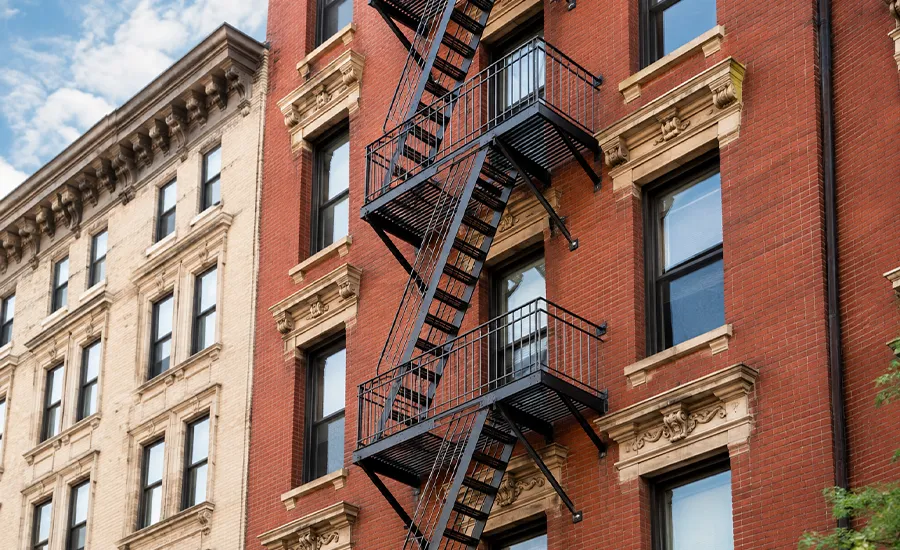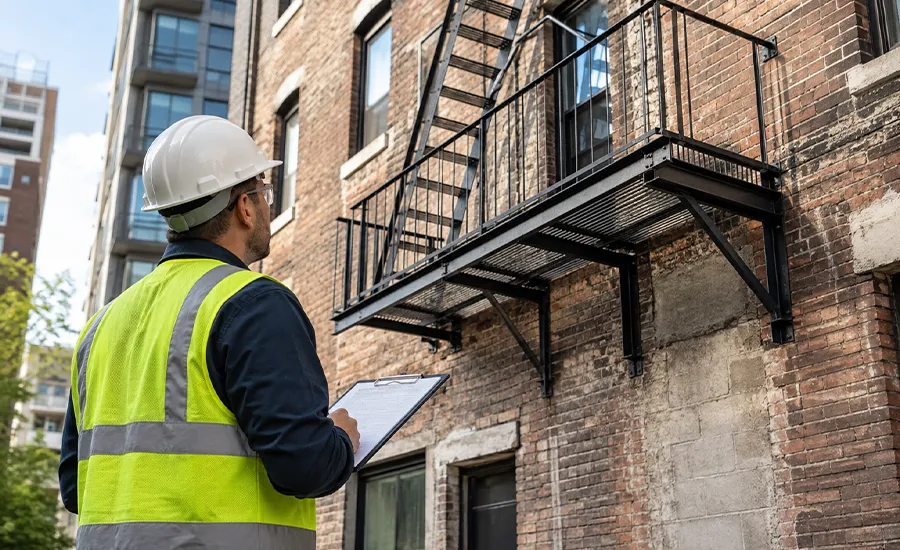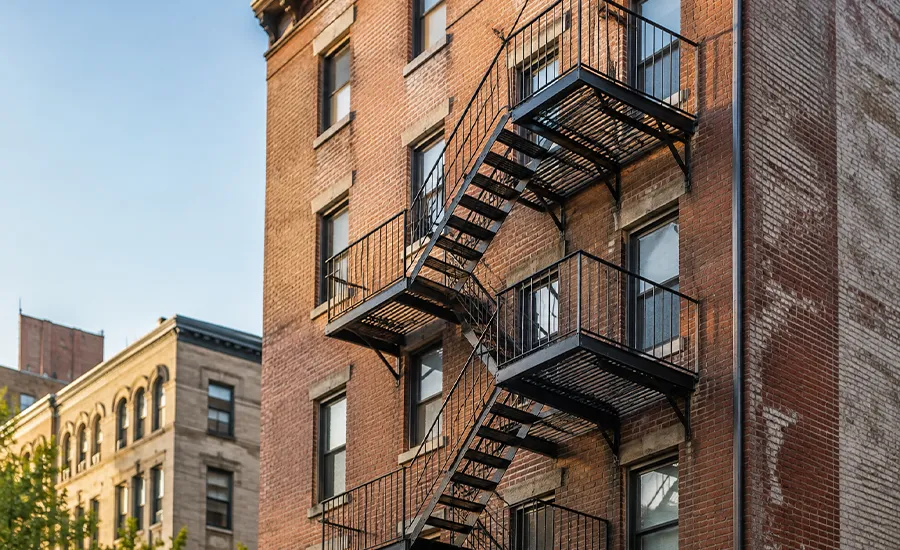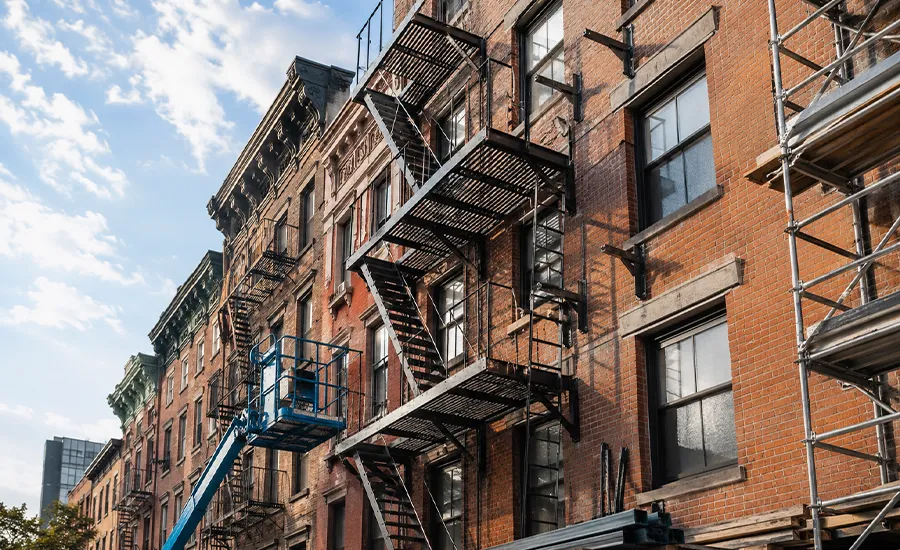
 ChatGPT
 Perplexity
 Google AI
 Claude
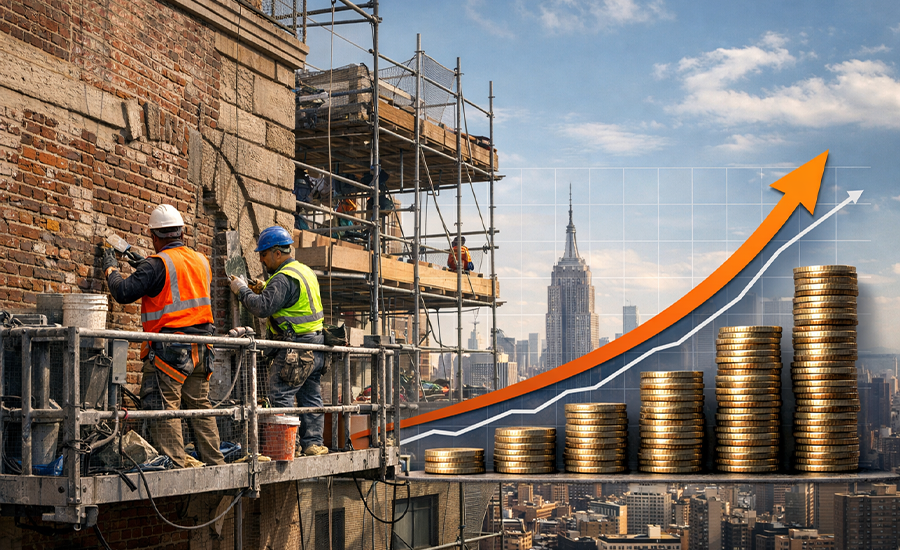
Masonry structures such as load-bearing brick walls, stone exterior cladding, concrete blocks, and mortar joints are designed for long-term durability. These elements play a critical role in maintaining the structural stability of buildings. However, even highly durable masonry structures require proactive maintenance over time.
If masonry repairs are not performed at the right time, buildings may develop serious structural integrity issues in 2026 or in the coming years. This can lead to higher maintenance costs, occupant safety risks, and potential regulatory violations. In the current environment, where construction material costs are increasing and skilled workforce expenses remain high, not performing timely repairs may result in significantly higher maintenance costs over time.
Although small structural cracks and worn mortar joints may not appear severe during initial inspections, they can develop into major structural problems if they are not addressed at an early stage.
- Ο Delaying masonry repairs can significantly increase long-term repair costs.
- Ο Construction materials are significantly more expensive in 2026, including bricks, cement, and mortar.
- Ο Skilled workforce shortages are increasing labor costs and making repair projects more expensive over time.
- Ο Neglecting masonry damage may create safety risks such as loose brickwork or structurally weakened walls.
- Ο Rising inflation and supply shortages are making structural repairs more costly for property owners.
Which Masonry Issues Lead To Costly Repairs?
Small-scale masonry damage can indicate hidden structural weaknesses developing within a building. When early warning signs are ignored, moisture exposure, weather conditions, and temperature fluctuations can gradually worsen the problem. Addressing masonry damage early helps reduce repair costs and maintain the structural stability of the building. In many buildings, prolonged moisture exposure gradually weakens masonry surfaces, which is why moisture damage over time can lead to serious structural deterioration if repairs are delayed.
Many cities enforce façade inspection and building safety regulations. In New York City, buildings must follow strict inspection standards to ensure exterior walls remain structurally safe. These inspections often evaluate the condition of exterior building systems and structural elements related to façade work in construction.
Common masonry issues that may lead to costly repairs include:
- Damaged brick units
- Deteriorated mortar joints
- Bulging or leaning walls
- Water penetration through exterior masonry walls
- Efflorescence
- Spalling bricks caused by freeze-thaw cycles
- Loose façade elements
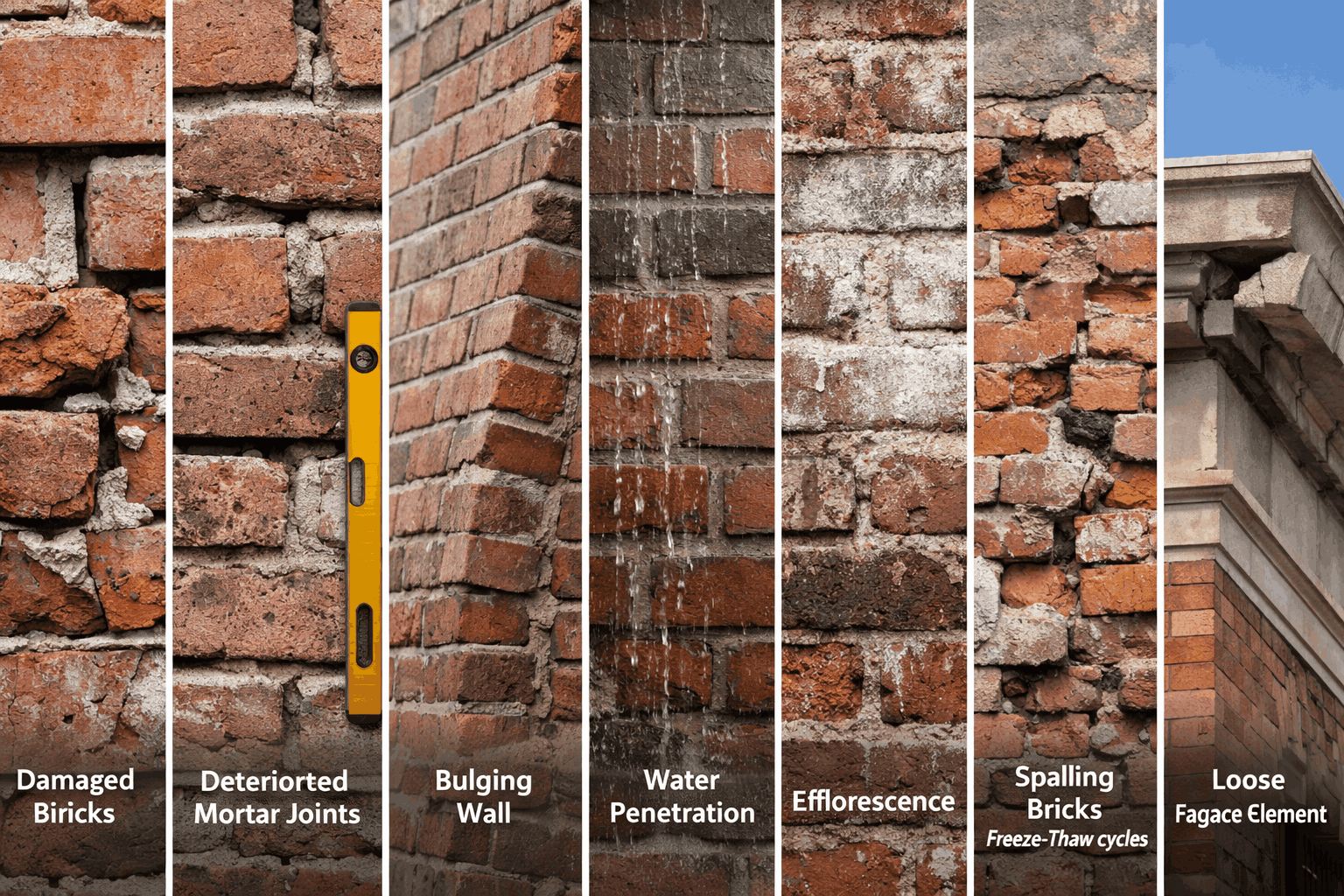
If these issues are addressed early, repairs are usually simple and more affordable. However, delaying repairs often leads to larger structural stability problems and higher restoration costs.
What Factors Influence Masonry Repairs in 2026?
Construction costs have increased significantly in 2026 due to inflation trends, rising freight charges, and the limited supply of building materials. The main factors influencing masonry repair costs include construction materials, labor requirements, safety standards, and regulatory compliance obligations. As a result, masonry restoration and repair projects have become more expensive.
In 2026, economic uncertainty and rising construction costs are increasing the financial impact of masonry repair projects across many cities, including New York.
| Masonry work | Unit cost per sq. ft. | Average total expense |
|---|---|---|
| Repointing | $12 – $25 | $3,000 – $15,000 |
| Brick replacement | $20 – $40 | $5,000 – $20,000 |
| Fracture repair | $500 – $3,000 | $2,000 – $8,000 |
| Stonework restoration | $30 – $60 | $8,000 – $30,000 |
| Wall reinforcement repairs | $50 – $120 | $20,000 – $100,000 |
| Façade refurbishment | $80 – $250 | $100,000+ |
These costs can vary depending on building height, worksite accessibility, regulatory permits, and the availability of skilled labor.
How Delaying Masonry Repairs Increases Overall Cost?
When masonry damage is left untreated, it often spreads to other structural components of the building. As deterioration progresses, repair methods become more complex and require additional materials, specialized equipment, and experienced professionals.
| Severity of damage | Repair method | Projected repair cost |
|---|---|---|
| Minor damage phase | Crack sealing or surface crack repair | $500 – $1,500 |
| Medium-level damage | Repointing deteriorated mortar joints | $3,000 – $10,000 |
| Extensive structural damage | Partial masonry replacement with structural reinforcement | $15,000 – $50,000 |
| Severe structural instability | Full building façade restoration | $100,000+ |
This progression illustrates how minor masonry damage can develop into significantly more expensive structural repairs if it is not addressed early. In many cases, early repointing can prevent deeper structural deterioration, which highlights the benefits of brick repointing for maintaining masonry walls and controlling long-term repair costs.
What Role Does Inflation Play in Construction Pricing in 2026?
Multiple economic factors and market conditions are contributing to rising masonry restoration costs in 2026. Increasing material prices, transportation costs, and global supply limitations are affecting construction projects worldwide. Recent construction market reports estimate that building costs in New York City can exceed $500 per square foot, making it one of the most expensive construction markets in the United States. These market conditions are also closely linked to the rising construction material prices in NYC, which continue to influence masonry repair budgets across residential and commercial buildings.
1. Surging Material Costs
Construction supplies such as cement, bricks, limestone, and steel reinforcements have experienced price increases due to global demand and supply chain delays.
| Masonry material | Standard cost in 2024 | Expected cost in 2026 |
|---|---|---|
| Bricks (per 1000) | $600 – $750 | $850 – $1,100 |
| Cement (per bag) | $12 – $15 | $18 – $22 |
| Limestone blocks | $90 – $120 | $130 – $170 |
| Mortar | $8 – $12 | $14 – $18 |
Higher material costs make large masonry repair projects significantly more expensive.
2. Skilled Labor Shortage
The construction industry continues to experience a limited skilled workforce. Experienced masons and restoration specialists remain in high demand across many cities.
Average masonry labor costs in 2026 may include:
- Masonry labor: $80 – $150 per hour
- Restoration specialists: $120 – $200 per hour
- Scaffold installation: $5,000 – $25,000, depending on building height
Limited workforce availability and higher labor demand are increasing masonry repair costs.
3. Weather-Related Damage
Changing climate patterns are increasing the severity of weather events that affect masonry structures. Environmental factors contributing to masonry deterioration include:
- Heavy rainfall and moisture penetration
- Freeze-thaw cycles that damage bricks and mortar
- Heat expansion is causing structural cracking
- Strong winds that weaken façade structures
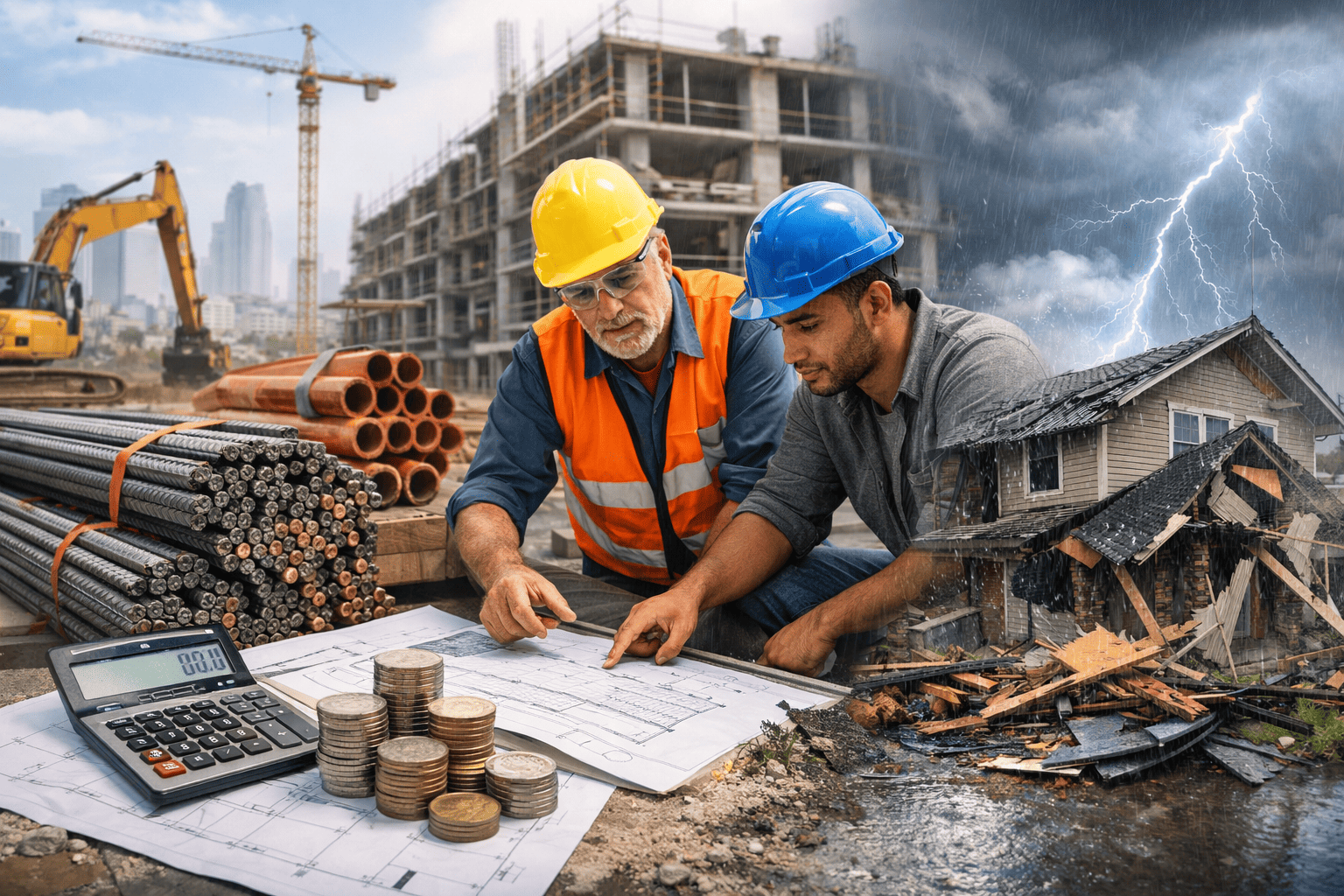
Moisture intrusion often worsens when building envelopes are not properly sealed, especially when property owners overlook common waterproofing mistakes that cause masonry leaks during maintenance or repair work. These environmental stresses accelerate masonry deterioration when maintenance is delayed.
The Bottom Line
Delaying masonry repairs in 2026 can lead to significant financial and structural consequences for property owners. What may begin as minor masonry damage can gradually develop into more serious structural problems if it is not addressed early.
Timely repairs help maintain building safety, prevent further deterioration, and reduce the risk of costly restoration projects in the future. Understanding the importance of early intervention and choosing a professional masonry contractor can help property owners avoid expensive structural repairs over time.
Sardar Restoration Corp supports residential and commercial properties across NYC, including the Bronx, Manhattan, Brooklyn, Westchester, and Queens. For professional masonry inspections and repair assessments, property owners can contact our team at (+1) 917-355-8556, email sardarrestoration@gmail.com, or visit 2770 Fish Ave, Bronx, NY 10469, United States.
FAQs
How much do masonry repairs cost in 2026?
Minor masonry repairs typically cost between $500 and $3,000. However, larger restoration projects can range from $10,000 to over $100,000 depending on the size of the building, extent of damage, and required repair methods.
What happens if masonry damage is ignored?
Ignoring masonry damage can allow moisture penetration, structural weakening, and surface deterioration to worsen over time. As the damage spreads, repair work becomes more complex and significantly more expensive.
How often should masonry structures be inspected?
Most masonry structures should be inspected every 3 to 5 years. However, older buildings or properties showing visible signs of damage may require more frequent inspections to maintain structural safety.
What is the most common masonry repair?
Brick repointing is one of the most common masonry repairs. It involves removing deteriorated mortar joints and replacing them with new mortar to restore structural stability and prevent water penetration.
How long do masonry repairs typically last?
The lifespan of masonry repairs depends on the repair method, materials used, and environmental conditions. Properly completed masonry repairs, such as repointing, can last 20 to 30 years when performed by experienced professionals.
Can small cracks in masonry become serious problems?
Yes, small cracks can develop into serious structural issues if they are ignored. Minor cracks may lead to water infiltration, larger structural cracks, and weakened masonry over time.