 ChatGPT
 Perplexity
 Google AI
 Claude
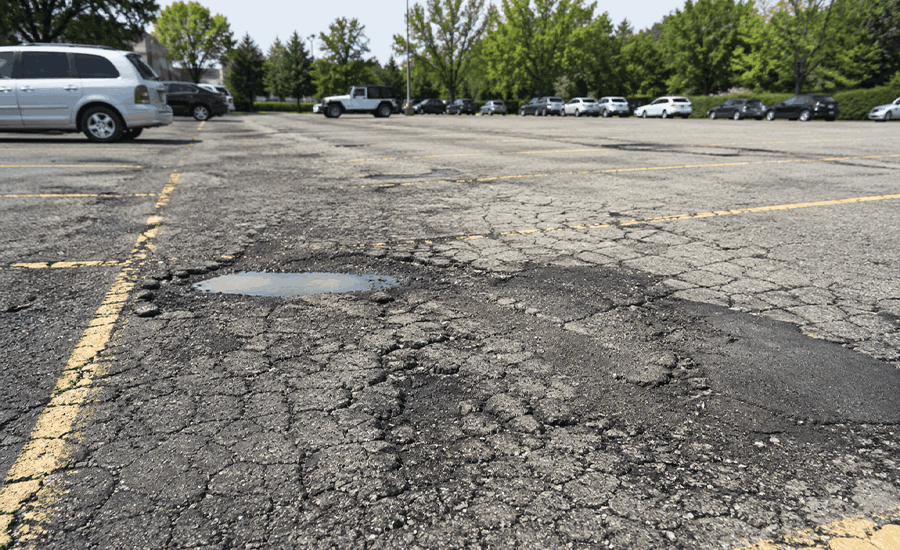
A parking lot in NYC typically needs repaving when surface damage spreads across large areas, drainage problems persist, or repairs become frequent without lasting results. These signs indicate that the asphalt structure has weakened beyond minor fixes.
In high-traffic areas like New York City, parking lots face constant pressure from vehicle load, weather exposure, and seasonal freeze-thaw cycles. Over time, this leads to cracks, surface breakdown, and uneven pavement that can affect both safety and property appearance. While small issues can be repaired early on, delayed action often results in higher costs and more extensive structural damage.
This guide outlines the key signs that indicate when repaving becomes the more practical and cost-effective solution, helping property owners maintain safe, functional, and visually consistent parking areas across residential and commercial properties.
- Ο Widespread cracks often signal deeper structural weakening beneath the surface
- Ο Repeated repairs in the same areas indicate the pavement is no longer stable
- Ο Aging asphalt, especially beyond 15–20 years, tends to lose its durability
- Ο Safety concerns, such as uneven surfaces and potholes, increase liability risks
- Ο Drainage issues can accelerate internal damage and reduce pavement lifespan
When to Repave: 8 Clear Signs Your Parking Lot Needs Attention
Addressing early signs of asphalt damage helps prevent costly structural issues and safety risks. In cities like New York, where traffic density, weather exposure, and seasonal freeze-thaw cycles are common, parking lot surfaces tend to wear faster than expected. Recognizing these warning signs early allows property owners to plan repaving at the right time instead of relying on repeated short-term repairs.
1. Extensive Surface Cracking
Cracking is often the first visible sign that the asphalt surface is beginning to fail. While minor cracks can be sealed, widespread cracking usually points to deeper structural weakness beneath the surface. In many cases, these issues are linked to gaps in the step-by-step paving process, where improper base preparation or material handling can lead to early surface failure.
Common types of cracking:
- Alligator cracking (interconnected pattern)
- Longitudinal cracks (parallel to traffic flow)
- Transverse cracks (perpendicular to traffic flow)
Why it matters:
- Water enters through cracks and weakens the base layer
- Freeze-thaw cycles in NYC accelerate expansion and damage
- Structural integrity declines over time
When cracking spreads across large areas, full repaving becomes more effective than repeated sealing.
2. Surface Breakdown and Potholes
Surface breakdown typically begins when moisture penetrates the asphalt and weakens its internal structure. Over time, this leads to potholes, especially in high-traffic zones.
Warning signs:
- Deep or widening potholes
- Loose or crumbling asphalt
- Frequent patchwork repairs
Risks:
- Vehicle damage and maintenance claims
- Trip hazards for pedestrians
- Increased liability for property owners
In busy NYC properties, recurring potholes usually indicate that surface repairs are no longer sufficient.
3. Poor Drainage and Water Pooling
Proper drainage plays a key role in maintaining asphalt durability. Standing water is a strong indicator that the surface grading or drainage system is no longer functioning properly.
Signs of drainage issues:
- Water pooling after rainfall
- Soft or spongy pavement areas
- Erosion along edges
Impact:
- Accelerates pavement deterioration
- Weakens the foundation layer
- Increases long-term repair costs
Repaving helps correct grading issues and restores proper water flow, which is especially important in NYC’s dense urban environments.
4. Fading Surface and Material Deterioration
Asphalt naturally loses its dark color over time due to oxidation and exposure to sunlight. While fading may seem cosmetic at first, it often reflects deeper material degradation.
What fading indicates:
- Loss of essential binding oils
- Reduced flexibility in the surface
- Increased brittleness and cracking risk
Visual impact:
- Makes the property appear poorly maintained
- Reduces overall curb appeal
When fading is combined with surface wear, it usually signals that the asphalt has reached the end of its effective lifespan.
5. Uneven or Distorted Pavement
An uneven surface affects both safety and usability. This issue often develops due to problems in the sub-base or prolonged exposure to heavy loads. In many cases, it is also linked to improper surface preparation and a lack of proper leveling techniques for paving surfaces, which are essential for maintaining long-term stability.
Common surface issues:
- Depressions and dips
- Rutting in wheel paths
- Raised or heaved sections
Underlying causes:
- Weak or unstable base layers
- Continuous heavy traffic
- Moisture-related damage
Repaving restores a smooth and level surface, improving both appearance and functionality.
6. Increasing Repair Frequency
If maintenance work becomes more frequent but less effective, it is a clear sign that the pavement is nearing failure. In such situations, property owners often start evaluating paving vs repair cost considerations to determine whether continued patchwork is still a practical option.
Indicators:
- Repeated crack sealing and patching
- Repairs that do not last long
- Gradually rising maintenance costs
At this stage, ongoing repairs often cost more over time than a full repaving solution.
7. Aging Asphalt Surface
All asphalt surfaces have a limited lifespan. Even with proper maintenance, structural strength declines over time. The durability of a parking lot also depends on the use of durable paving materials for long-term performance, which play a key role in how well the surface withstands traffic and environmental stress.
Typical lifespan factors:
- Traffic intensity
- Weather exposure
- Quality of installation
- Maintenance consistency
Age-related signs:
- Increased cracking and potholes
- Surface wear and weakening
- Reduced load-bearing capacity
In NYC conditions, aging pavement often deteriorates faster due to environmental stress and heavy usage.
8. Safety and Liability Risks
A deteriorating parking lot creates safety concerns that can directly impact property owners and users. In many cases, these risks are linked to gaps in proper paving installation techniques, where poor surface preparation or finishing leads to uneven conditions and reduced visibility over time.
Common risks:
- Trip and fall incidents
- Vehicle damage claims
- Poor visibility due to faded markings
Business impact:
- Legal exposure
- Loss of customer confidence
- Negative first impressions
Maintaining a safe parking surface is essential for both operational reliability and long-term property value.
Why Timely Parking Lot Repaving Matters in NYC
Delaying repaving often leads to higher long-term costs and increased safety risks. In a city like New York, where parking lots experience continuous vehicle movement, weather exposure, and seasonal temperature shifts, asphalt surfaces tend to deteriorate faster. Taking action at the right time helps maintain structural stability and prevents minor surface issues from developing into deeper foundation problems.
Timely repaving not only restores the surface condition but also improves the overall performance and reliability of the parking area across both residential and commercial properties.
Key benefits of timely repaving:
- Improved surface condition: Creates a smooth, uniform finish that enhances usability
- Reduced safety hazards: Minimizes risks for both drivers and pedestrians
- Lower long-term costs: Prevents repeated repairs and structural damage
- Better drainage performance: Supports proper water runoff and reduces pooling
- Stronger property presentation: Maintains a clean and well-maintained appearance

What Happens If You Delay Parking Lot Repaving in NYC
Ignoring visible damage in a parking lot can lead to gradual but serious structural decline. In NYC environments, where factors such as heavy traffic, moisture exposure, and temperature variation are common, surface issues can escalate more quickly if left unaddressed.
Over time, what starts as minor wear can turn into widespread pavement failure, affecting both safety and property value.
Common consequences of delayed repaving:
- Increasing maintenance costs: Small surface issues become more expensive to fix as damage spreads deeper into the pavement layers.
- Safety risks for users: Uneven surfaces, cracks, and potholes increase the likelihood of trips, falls, and vehicle-related incidents.
- Legal and liability exposure: Unsafe conditions can result in claims, especially in high-footfall commercial properties across NYC.
- Drainage-related damage: Water pooling and blocked flow paths weaken the base structure and accelerate deterioration.
- Negative property appearance: A worn or patchy parking surface creates a poor first impression, particularly in busy areas like Manhattan and other commercial zones.
- Impact on property value: Delayed maintenance can reduce long-term value and affect tenant or customer retention.
Final Thoughts: When to Act on Parking Lot Damage
Ignoring early signs of parking lot damage often leads to higher repair costs, reduced safety, and a decline in overall property condition. In NYC, where parking areas face constant vehicle movement, environmental exposure, and seasonal stress, timely action becomes even more important.
Recognizing the right moment to move from repairs to repaving helps prevent structural failure and ensures long-term surface performance. A properly repaved parking lot not only improves safety and usability but also maintains a clean and professional appearance for both residential and commercial properties.
Sardar Restoration Corp serves residential and commercial properties across NYC, including The Bronx, Manhattan, Brooklyn, Westchester, and Queens. As a trusted parking lot paving contractor in NYC, the team focuses on practical, long-term solutions based on local site conditions, traffic load, and weather impact. Each project is handled with attention to durability, safety, and consistent surface performance.
For property owners dealing with recurring surface issues or planning long-term upgrades, getting a professional assessment at the right stage can help avoid unnecessary costs and ensure reliable results. For more information, call (+1) 917-355-8556, email sardarrestoration@gmail.com, or visit 2770 Fish Ave, Bronx, NY 10469, United States.
FAQs
How do I know if my parking lot needs repaving instead of repairs?
If damage is limited to small cracks or isolated areas, repairs can be effective. However, when issues such as widespread cracking, repeated potholes, or drainage problems keep returning, it usually indicates deeper structural failure, where repaving becomes the more practical long-term solution.
How long does a parking lot typically last in NYC conditions?
Most asphalt parking lots last between 15 and 25 years, but in NYC, heavy traffic and seasonal freeze-thaw cycles can reduce this lifespan. Regular maintenance can extend durability, but aging surfaces eventually require full repaving.
Can I delay repaving if the surface damage seems minor?
Delaying repaving may seem cost-effective in the short term, but minor surface issues can quickly expand under traffic and weather exposure. Over time, this leads to higher repair costs and increased safety risks.
What is the best time of year to repave a parking lot in NYC?
Late spring through early fall is generally the best time for repaving, as warmer and drier conditions allow asphalt to set and cure properly, resulting in a stronger and longer-lasting surface.
How long does parking lot repaving usually take?
The timeline depends on the size and condition of the parking lot. Most standard projects can be completed within a few days, while larger or heavily damaged areas may require additional time for proper preparation and curing.
Is repaving more cost-effective than frequent repairs?
Yes, when repairs become frequent, costs add up quickly. Repaving provides a long-term solution by restoring the entire surface, reducing the need for ongoing maintenance.
Does repaving include fixing the base layer of the parking lot?
In most cases, repaving includes addressing underlying base issues if they are contributing to surface failure. This ensures the new asphalt layer performs properly and lasts longer.
Will repaving improve drainage problems in my parking lot?
Yes, repaving can correct slope and grading issues, allowing water to flow properly and preventing pooling that damages the pavement structure.
Do I need permits for parking lot repaving in NYC?
Depending on the project scope and location, permits or compliance with local regulations may be required. A professional contractor can guide you through the process.