
 ChatGPT
 Perplexity
 Google AI
 Claude
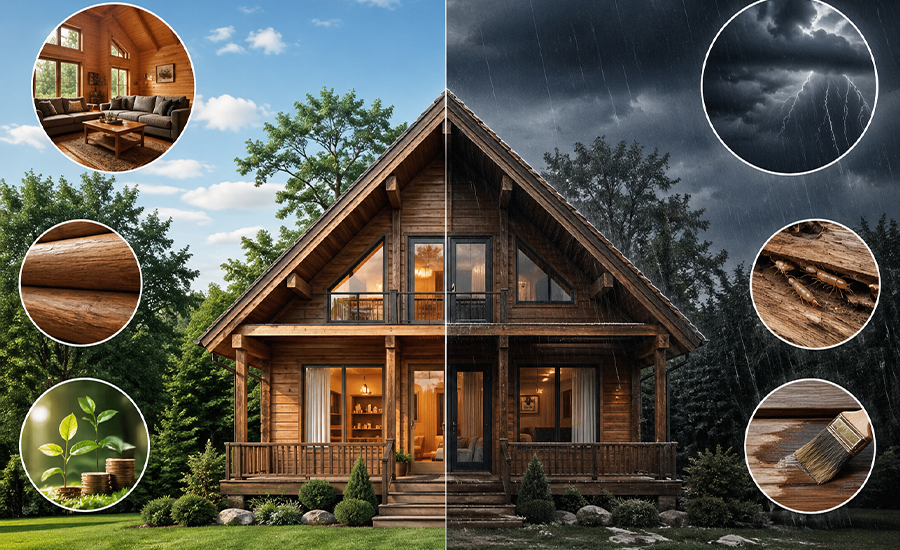
Wooden houses come with a mix of benefits and limitations, especially when compared to traditional construction types like brick or concrete. Understanding the pros and cons of a wooden house is essential before making any construction or buying decision, particularly in a city like New York, where building regulations, climate conditions, and long-term durability play a major role.
In simple terms, wooden houses offer strong insulation, faster construction, and design flexibility. However, they also require consistent maintenance and proper protection against fire, moisture, and pests. This guide explains these factors clearly so you can decide whether a wooden house is the right choice for your needs.
- Ο Strong natural insulation that helps reduce energy costs
- Ο Faster and more flexible construction than concrete or brick
- Ο Lower upfront construction costs in many residential projects
- Ο Requires regular maintenance to prevent structural wear
- Ο More vulnerable to fire, moisture, and pest-related damage
- Ο Long-term durability depends on treatment, upkeep, and environment
What is a Wooden House?
A wooden house, also known as a wood-frame home, is a type of construction where timber is used as the primary material for framing, walls, and structural support. Compared to concrete or brick buildings, wooden houses rely on lightweight structural systems that are easier to modify, faster to build, and more flexible in design.
In New York City, wooden houses are typically found in low-rise residential neighborhoods rather than dense commercial areas. This is mainly due to building codes and fire safety regulations that limit where wood-frame construction can be used, especially in high-density zones like Manhattan, while still allowing it in parts of Brooklyn and Queens.
Cost of Building a Wooden House in NYC
The cost of building a wooden house in NYC varies based on factors such as design complexity, material quality, location, and compliance with local building regulations.
- Conventional construction: $300 – $500 per sq. ft.
- Mid to upscale: $500 – $900+ per sq. ft.
- Luxury-grade homes: $1,000+ per sq. ft.
Across the five boroughs, pricing generally falls within similar ranges, but premium timber, architectural complexity, and strict compliance with local building codes can increase overall costs.
Pros of Living in a Wooden House
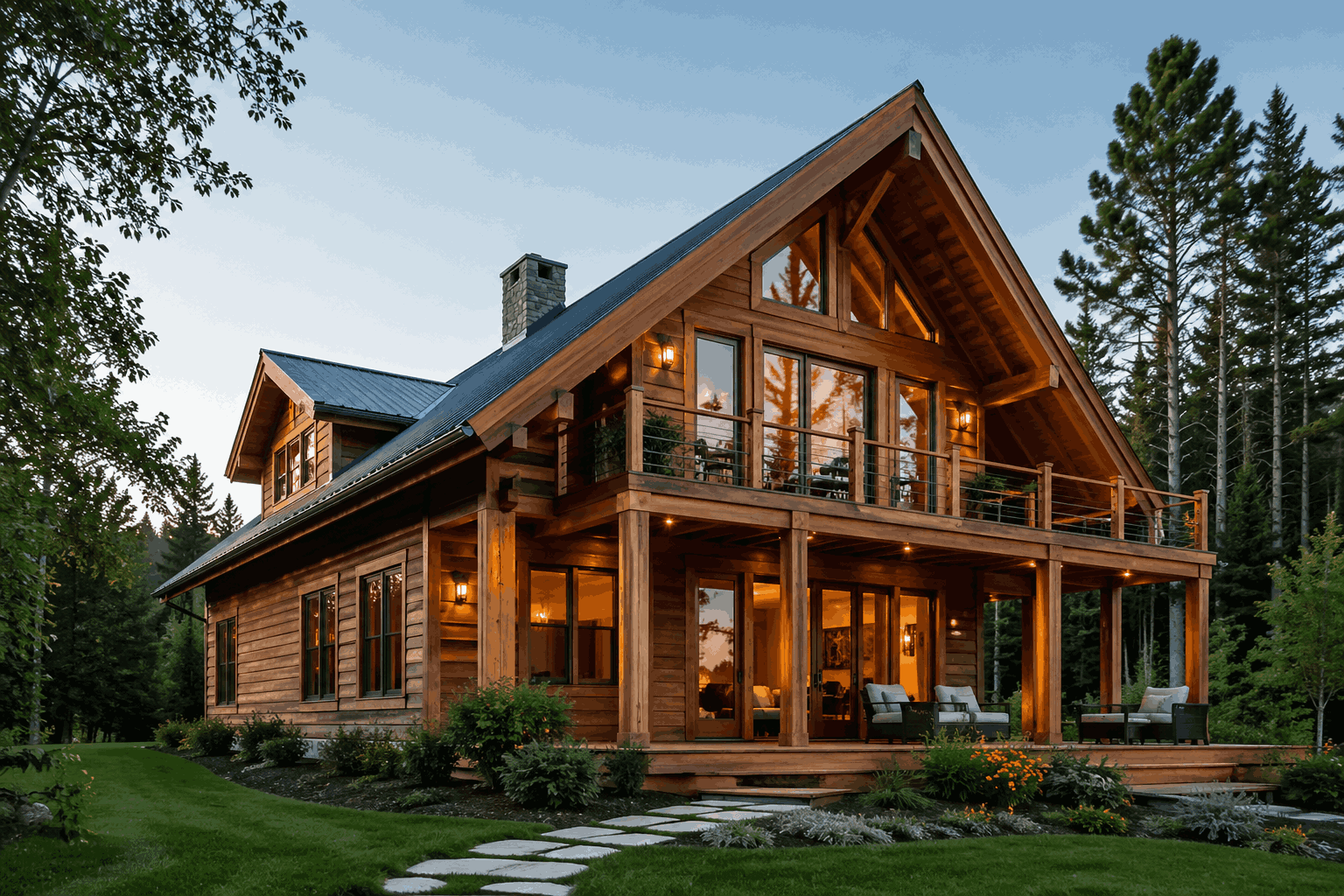
Wooden houses offer several practical advantages for homeowners who value efficient construction, design flexibility, and a more natural living environment. In cities like New York, where space, cost, and construction timelines matter, these benefits can influence decision-making, particularly when compared with the pros and cons of a brick house in similar residential settings.
1. Natural Aesthetic Appeal
Wooden houses provide a warm and timeless appearance that is difficult to achieve with concrete or brick structures.
- Creates a comfortable and inviting indoor environment
- Works well for both traditional and modern home designs
- Blends naturally with residential neighborhood settings
2. Environmentally Responsible Construction
Timber is a renewable material, making wooden homes a more environmentally conscious option when sourced and treated correctly.
- Lower overall carbon impact compared to heavy construction materials
- Can be recycled or repurposed in future renovations
- Requires less energy during the construction process
3. Strong Thermal Performance
Wood acts as a natural insulator, helping maintain indoor temperature stability throughout the year.
- Retains heat during colder months
- Helps keep interiors cooler in warmer weather
- Can reduce heating and cooling costs over time
4. Faster Construction Timeline
Wood-frame construction is generally quicker than traditional masonry, which can be an advantage in time-sensitive projects.
- Pre-fabricated components simplify the building process
- Less curing or waiting time compared to concrete
- Ideal for projects that require quicker completion
5. Lightweight Structure Benefits
Wood is significantly lighter than concrete and brick, which affects both construction and long-term structural planning.
- Can reduce foundation load requirements
- Easier to transport and handle on-site
- Works well in residential areas with varying soil conditions
6. Easier Repairs and Modifications
Wood is easier to work with compared to rigid construction materials, allowing for simpler adjustments over time.
- Repairs can often be completed without heavy equipment
- Interior changes and extensions are more manageable
- Supports design flexibility for evolving needs
7. Better Structural Flexibility
Wood has a natural ability to absorb minor structural movement, which can be beneficial in certain conditions.
- Handles slight shifts without immediate cracking
- Can perform better under minor structural stress
- Suitable for areas where ground movement may occur
Wood-frame homes are often preferred for their speed, flexibility, and comfort, but their overall performance depends on proper planning and consistent maintenance over time.
Cons of Living in a Wooden House
While wooden houses offer flexibility and efficiency, they also come with certain limitations that should be carefully considered. In urban environments like New York City, factors such as safety regulations, weather exposure, and long-term maintenance can directly impact how practical a wood-frame home is, especially when compared to more traditional methods like brickwork construction used in building structures.
1. Higher Fire Risk
Wood is naturally combustible, making fire safety one of the most important concerns.
- Requires fire-resistant treatments and materials
- Electrical systems must be properly installed and maintained
- Insurance costs may be higher compared to non-combustible structures
2. Vulnerability to Pests
Wooden structures can attract termites, ants, and other insects if not properly protected.
- Needs routine pest inspections and control measures
- Untreated wood can weaken over time due to infestation
- Preventive coatings and treatments are essential
3. Ongoing Maintenance Requirements
Wooden homes require consistent upkeep to maintain their strength and appearance.
- Regular sealing or polishing is required
- Exposure to weather can cause gradual wear
- Periodic inspections help prevent long-term structural issues
4. Moisture and Water Damage Risk
Wood can absorb moisture, which may lead to gradual deterioration if not managed properly.
- Risk of mold and mildew in damp conditions
- It can affect structural stability over time
- Proper waterproofing and ventilation are necessary
5. Limited Use in Certain Urban Settings
Wood-frame construction is not always practical in high-density or heavily regulated areas.
- Building codes may restrict usage in some locations
- Skilled labor for wood construction may be limited
- Compliance requirements can increase overall project complexity
6. Lower Sound Insulation
Wooden walls generally provide less sound resistance compared to concrete or masonry.
- External noise may be more noticeable
- Additional soundproofing may be required
- Privacy can be affected in busy or dense areas
Wood-frame homes can be a suitable option in specific residential settings, but these limitations should be carefully evaluated before making a long-term decision.
Is a Wooden House the Right Choice for You in NYC?
Choosing a wooden house depends on your lifestyle, budget, and how much maintenance you are willing to manage over time. While wood-frame homes offer flexibility and efficient construction, they are not suitable for every type of property or environment.
In New York City, wooden houses are typically found in low-rise residential neighborhoods, particularly in parts of Brooklyn and Queens where zoning allows this type of construction. They are less common in dense commercial areas due to stricter building codes and fire safety requirements.
A wooden house can be a suitable option if you prioritize:
- Comfortable and natural living spaces
- Strong energy efficiency and insulation performance
- Faster construction timelines and design flexibility
However, it may not be the best choice if you:
- Prefer low-maintenance housing over regular upkeep
- Live in areas with higher moisture exposure or pest activity
- Require stronger fire resistance and long-term structural stability
For homeowners comparing construction types, reviewing a detailed brick vs wood house comparison can help clarify differences in cost, durability, and long-term performance.
Wooden houses can work well in NYC for the right residential setup, but they require consistent maintenance and careful planning to perform reliably over time.
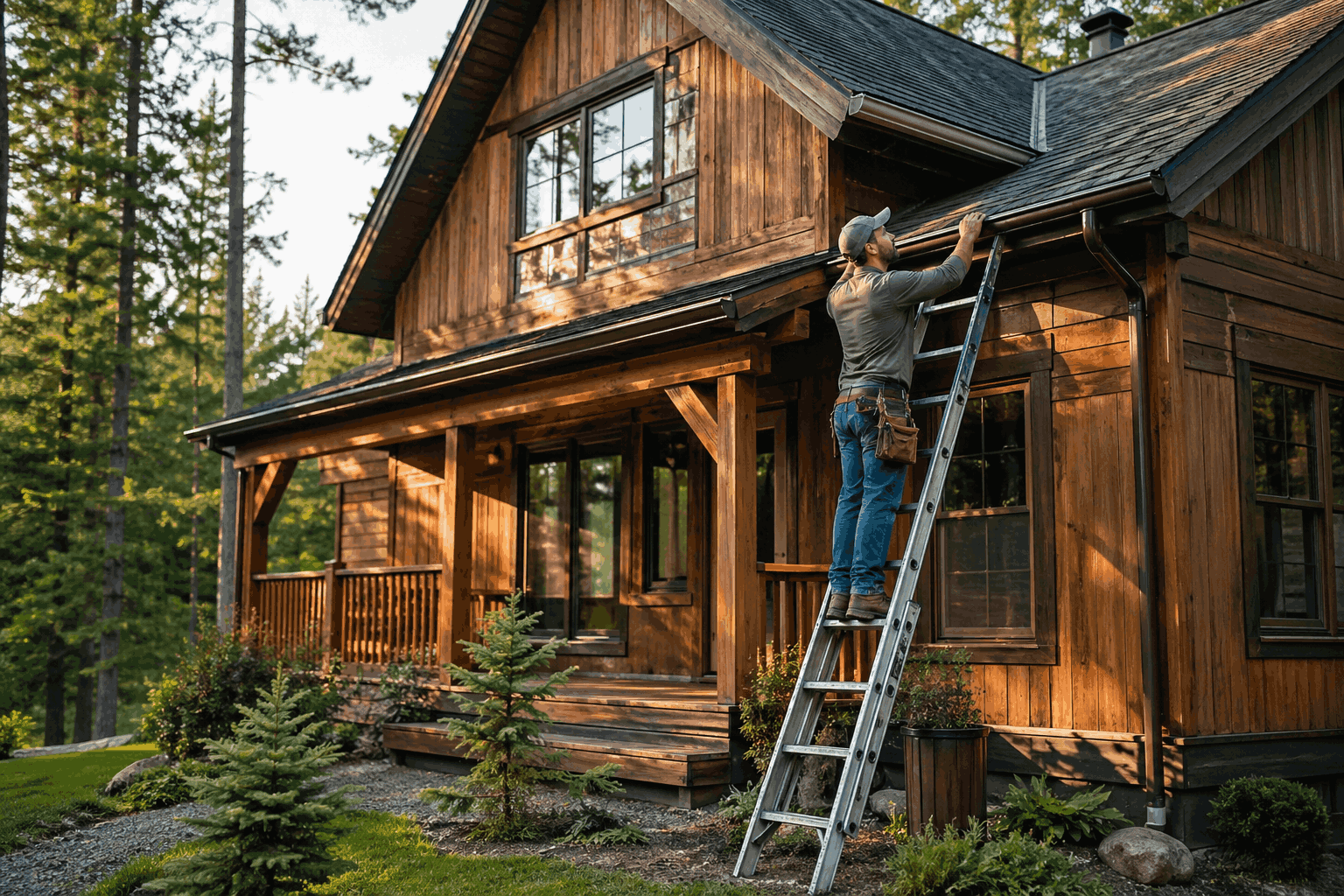
How to Maintain a Wooden House?
Maintaining a wooden house is essential to protect it from environmental damage and extend its lifespan. While construction may be quicker and more efficient, long-term performance depends on how well the structure is maintained over time.
In a climate like New York, where seasonal changes bring humidity, rainfall, and temperature variation, regular upkeep is necessary to prevent moisture-related damage and structural wear. In some cases, homeowners may also need professional support for repairs and structural work, making it helpful to understand what a masonry contractor does.
To keep a wooden house in good condition:
- Apply waterproof coatings at regular intervals
- Schedule routine pest inspections and preventive treatments
- Use fire-resistant solutions where required
- Maintain proper ventilation to control moisture levels
- Address minor structural issues before they develop further
Is a Wooden House Worth It in NYC?
Wooden houses offer a combination of natural aesthetics, energy efficiency, and design flexibility. They can be a practical option for certain residential setups, particularly where faster construction and insulation performance are important. However, they also require ongoing maintenance and proper protection against fire, moisture, and pests.
The overall suitability of a wooden house depends on how well it aligns with your environment and long-term expectations. In a city like New York, where building conditions and regulations vary by location, careful planning and regular upkeep are essential for consistent performance.
Sardar Restoration Corp serves residential and commercial properties across NYC, including The Bronx, Manhattan, Brooklyn, Westchester, and Queens. As a trusted masonry and restoration contractor in NYC, the team focuses on solutions that match local building conditions, material behavior, and seasonal exposure to deliver reliable, long-term results.
For more information or to discuss your property concerns, contact (+1) 917-355-8556, email sardarrestoration@gmail.com, or visit 2770 Fish Ave, Bronx, NY 10469, United States.
FAQs About Wooden Houses
Are wooden houses durable?
Wooden houses can be durable when properly maintained. Protective treatments, sealing, and regular inspections help prevent moisture damage and extend their lifespan.
Are wooden houses safe from fire?
Wood is combustible, which increases fire risk. However, modern fire-resistant treatments and properly installed electrical systems can significantly reduce this risk.
Do wooden houses require a lot of maintenance in NYC?
Yes, wooden homes require consistent maintenance, including sealing, pest control, and periodic inspections. This is especially important in NYC due to seasonal weather changes and humidity.
Can wooden houses withstand New York’s weather conditions?
They can perform well with proper construction and protective measures. Moisture control, ventilation, and weather-resistant treatments are essential to handle rain, humidity, and temperature changes.
Are wooden houses cheaper than concrete houses?
Wooden houses can be more cost-effective during construction due to faster build times and lower labor requirements. However, ongoing maintenance costs should be considered when comparing long-term value.
Are wooden houses allowed in NYC?
Yes, wooden houses are allowed in NYC, mainly in low-rise residential zones. However, construction must follow strict building codes, fire safety standards, and zoning regulations.
Do wooden houses increase insurance costs in NYC?
In some cases, insurance premiums may be slightly higher due to fire risk. However, proper fire-resistant treatments and safety systems can help reduce these costs.