
 ChatGPT
 Perplexity
 Google AI
 Claude
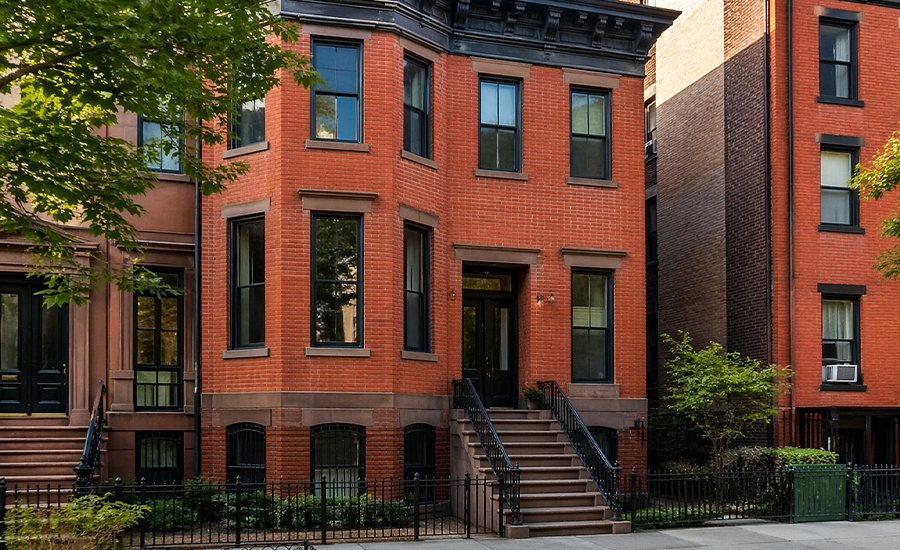
Brick houses are widely used in NYC because of their strength, fire resistance, and ability to handle demanding urban conditions such as moisture exposure and freeze-thaw cycles. This makes material selection critical for long-term performance and maintenance planning.
For both residential and commercial properties, brick offers reliable structural stability and long-term value. However, it is not the right fit for every project, especially when upfront budget or design flexibility is a concern.
This guide explains the key advantages and disadvantages of brick houses, helping property owners determine whether brick is the right choice for their property and long-term goals.
- Ο Brick houses offer long-term durability and structural stability
- Ο Brick performs well in NYC conditions, including moisture exposure and freeze-thaw cycles
- Ο Brick provides fire resistance and sound insulation for dense urban environments
- Ο Brick requires low maintenance, but mortar joints need periodic inspection and repointing
- Ο Brick supports long-term property value but involves higher upfront costs
- Ο Brick is less suitable for projects requiring frequent design changes or flexibility
What Is a Brick House?
A brick house is a structure built using clay bricks bonded with mortar to form strong and stable walls. Depending on the construction method, brick can either act as a load-bearing element or as an exterior veneer over a reinforced structural frame. Understanding brickwork in building construction helps explain how these components are combined to create durable structures.
In NYC construction, brick is commonly used for both residential and commercial buildings due to its structural reliability and ability to handle urban environmental stress. It is typically applied in:
- Load-bearing walls that support structural weight
- Exterior cladding systems (brick veneer)
- Architectural finishes for visual consistency and property value
Brick construction involves proper foundation support, as the material is heavier than most alternatives. When installed correctly, it provides resistance against wind, moisture, and temperature fluctuations. The thin brick installation process is also used in modern construction, where a lighter cladding solution is needed without affecting appearance.
However, while bricks themselves are long-lasting, the mortar joints between them are more vulnerable to wear. In NYC, ongoing exposure to moisture and seasonal freeze-thaw cycles can weaken mortar over time, making regular inspection and repointing essential.

Pros of a Brick House
Brick houses are widely preferred for their long lifespan and reliable performance in demanding urban environments like NYC. Below are the key benefits property owners should consider.
1. Structural Durability
Brick is a highly durable construction material used in residential and commercial buildings. It maintains its integrity for decades with minimal deterioration.
- Can last 50–100+ years when properly maintained
- Resistant to pests such as termites
- Performs well under constant exposure to weather and urban conditions
Many older NYC buildings still rely on original brickwork, demonstrating its long-term structural reliability under real-world conditions.
2. Low Maintenance
Compared to wood or vinyl siding, brick requires less frequent upkeep, making it a practical choice for long-term property ownership.
- No regular repainting required
- Resistant to rot, decay, and surface damage
- Routine inspection and minor maintenance are usually sufficient
However, periodic mortar inspection is still necessary to maintain performance over time.
3. Fire Resistance
Brick is a non-combustible material, making it a safer option for properties in densely populated areas.
- Helps slow down the spread of fire
- Improves overall building safety for occupants
- May contribute to lower insurance risks
This is particularly important in NYC, where fire safety regulations are strict.
4. Thermal Performance
Brick has high thermal mass, which helps regulate indoor temperatures by absorbing and releasing heat gradually.
- Keeps interiors cooler during summer
- Retains warmth during colder months
- Supports more stable indoor temperature levels
Actual energy efficiency depends on insulation and overall building design.
5. Noise Reduction
Brick walls provide solid sound insulation, which is beneficial in high-traffic urban areas.
- Reduces external noise from streets and nearby buildings
- Creates a quieter indoor environment
- Suitable for residential properties in busy NYC neighborhoods
6. Visual Value
Brick offers a consistent and durable exterior appearance that does not fade or degrade easily over time. The variety of types of bricks used in construction also allows property owners to choose finishes that match both traditional and modern architectural styles.
- Available in multiple textures and finishes
- Maintains appearance without frequent upgrades
- Contributes to long-term property value
7. Environmental Sustainability
Brick is made from natural materials and has a long lifecycle, making it a reliable option for sustainable construction.
- Long lifespan reduces replacement frequency
- Recyclable in many construction applications
- Lower material waste over time
Cons of a Brick House
While brick offers strong long-term performance, it also has some limitations that should be considered before construction or renovation.
1. Higher Initial Construction Cost
Brick construction typically requires a higher upfront investment compared to alternatives like wood or vinyl.
- Material costs are generally higher
- Requires skilled masonry labor
- Longer installation time increases overall project cost
Although maintenance costs are lower over time, the initial budget requirement can be a limiting factor for some projects.
2. Limited Design Flexibility
Brick structures are less flexible when it comes to future modifications or layout changes.
- Structural walls are difficult to alter after construction
- Renovations often require specialized work
- Major design changes can increase project cost significantly
This makes brick less suitable for properties where frequent redesign or expansion is expected.
3. Moisture Absorption Risk
Brick is naturally porous, which means it can absorb water if not properly protected.
- Moisture penetration can lead to dampness or mold issues
- Requires proper drainage and sealing systems
- Poor maintenance can reduce long-term performance
In NYC, where buildings face rain, humidity, and seasonal weather shifts, moisture management becomes especially important. If left unaddressed, prolonged exposure can lead to surface damage, making it necessary to understand how to repair spalling brick surfaces to prevent further deterioration.
4. Mortar Joint Deterioration
While bricks themselves are durable, the mortar between them is more vulnerable to wear over time.
- Requires repointing after years of exposure
- Cracks can develop due to weather stress
- Regular inspection is necessary to prevent structural issues
Freeze-thaw cycles in NYC can accelerate mortar deterioration if not properly maintained. In such cases, understanding the brick wall repair process becomes important to address cracks and restore structural stability.
5. Heavy Structural Load
Brick is heavier than most materials, requiring a stronger foundation and more structural planning.
- Requires a strong and well-prepared foundation
- Not suitable for all soil conditions without reinforcement
- Can increase engineering and construction complexity
This factor is important in urban construction, where structural planning must meet strict safety standards.
6. Limited Insulation on Its Own
Although brick helps regulate temperature, it does not provide complete insulation by itself.
- Additional insulation layers are often required
- Can increase the overall construction cost
- Energy performance depends on the full wall system design
Effective insulation design is necessary to achieve consistent energy performance in NYC properties.
Are Brick Houses Suitable for NYC Properties?
Brick houses are well-suited for NYC properties due to their durability, fire resistance, and ability to handle urban environmental conditions. In NYC, buildings are constantly exposed to moisture, seasonal temperature changes, and strict safety regulations. Brick performs well under these conditions.
- Performs well under freeze-thaw cycles common in NYC winters
- Provides strong fire resistance in densely populated areas
- Reduces external noise, making it suitable for high-traffic neighborhoods
- Supports long-term structural stability for both residential and commercial properties
However, NYC conditions also require proper maintenance. Over time, environmental exposure can affect mortar joints, making regular inspection and repointing essential.
Brick houses are a strong long-term option for NYC properties, but they require proper maintenance to ensure consistent performance over time.

How Does Brick Compare To Other Building Materials?
Brick is widely used because it offers reliable structural performance and strong fire resistance. Compared to wood, vinyl, and concrete, brick performs better in environments where safety and long-term performance matter. A more detailed brick vs wood house comparison helps explain how each material differs in cost, maintenance, and long-term durability.
While other materials may offer lower upfront costs or more flexibility, brick is often preferred for projects where long-term reliability and lower maintenance are the priority.
| Building materials | Structural resilience | Financial outlay | Servicing | Fire safety rating |
|---|---|---|---|---|
| Brick | High strength | High cost | Low | Excellent |
| Wood | Moderate | Low cost | High | Moderate |
| Vinyl | Moderate | Medium cost | Low | Low |
| Concrete | High strength | Medium cost | Low | Excellent |
Brick provides a stable structure that performs well under environmental stress such as moisture, temperature changes, and urban exposure. In cities like NYC, where buildings are subject to strict safety standards and harsh seasonal conditions, brick remains a reliable long-term construction option.
Brick is the better choice for durability and fire safety, while materials like wood offer more flexibility and lower upfront costs.
Final Thoughts
Brick houses are a strong choice for property owners focused on long-term performance and reliability. They perform especially well in urban environments like NYC, where building conditions demand long-term durability.
While the upfront cost is higher compared to some materials, brick typically requires less maintenance over time and maintains consistent performance. However, it may not be the best option for projects where flexibility, faster construction, or lower initial investment is the priority.
Brick is the better choice for long-term durability and low maintenance, but less suitable for projects that prioritize flexibility and lower upfront costs.
Sardar Restoration Corp supports residential and commercial properties across NYC, including the Bronx, Manhattan, Brooklyn, Westchester, and Queens. As a trusted brickwork contractor in NYC, the team provides professional masonry inspections and repair assessments tailored to local building conditions.
Property owners can contact (+1) 917-355-8556, email sardarrestoration@gmail.com, or visit 2770 Fish Ave, Bronx, NY 10469, United States.
FAQs
How long does a brick house last?
A well-built brick house can last 50 to 100+ years with proper maintenance. In NYC, regular mortar inspection is important due to weather exposure and aging buildings.
Are brick houses expensive to maintain?
No, brick houses generally require low maintenance. However, mortar joints may need repointing over time, especially in climates like NYC with moisture and temperature changes.
Do brick homes stay cooler?
Yes, brick helps regulate indoor temperature due to its thermal mass. It keeps interiors cooler in summer and retains warmth during colder months.
Can brick houses get water damage?
Yes, brick can absorb moisture if not properly sealed. Poor drainage or damaged mortar joints can lead to dampness or mold over time.
Are brick houses environmentally friendly?
Yes, brick is made from natural materials and has a long lifespan, which reduces waste. Its durability also supports sustainable construction practices.
Are brick houses good for NYC weather?
Yes, brick performs well in NYC conditions, including rain, humidity, and freeze-thaw cycles. However, regular maintenance is important to prevent mortar damage.
Do brick houses require repointing?
Yes, mortar joints in brick walls may require repointing after years of exposure. This helps maintain structural strength and prevents water penetration.
Are brick houses fire-resistant?
Yes, brick is a non-combustible material, making it highly fire-resistant and suitable for densely populated areas like NYC.