 ChatGPT
 Perplexity
 Google AI
 Claude
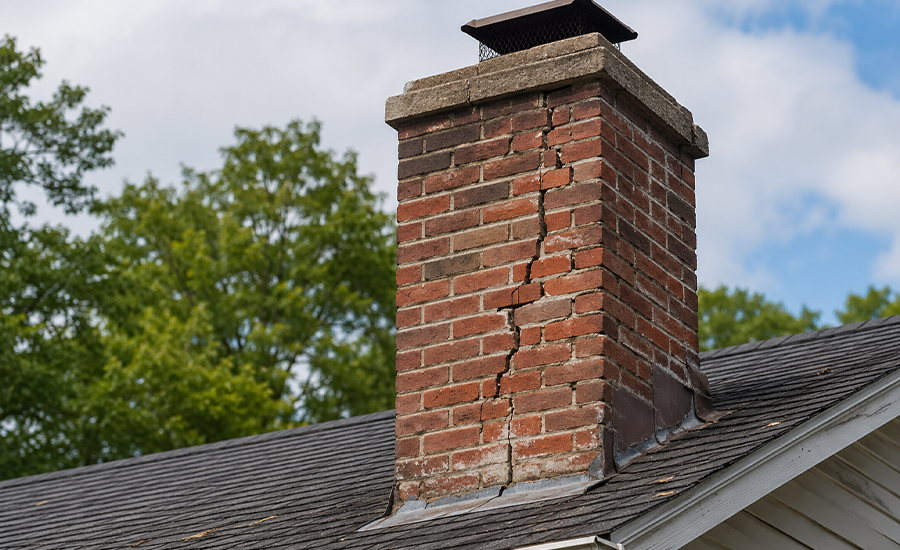
Chimneys are among the most exposed parts of older buildings. In NYC, chimney brick cracks often develop because of long-term weather exposure, freeze-thaw cycles, moisture entry, aging mortar, structural movement, and delayed maintenance. A small crack may look harmless at first, but it can later lead to water damage, loose bricks, weak joints, and costly masonry repairs.
For homeowners and property managers across NYC, understanding the cause of chimney cracks is important. Many older residential and commercial buildings have aging masonry systems that face rain, snow, wind, heat, rooftop moisture, and seasonal temperature changes throughout the year.
This article explains why chimney brick cracks happen in older buildings, how different crack patterns should be read, and when early inspection can help prevent wider structural damage.
- Ο Chimney cracks often happen when moisture, age, and movement work together.
- Ο Freeze-thaw cycles can speed up brick and mortar deterioration.
- Ο Water entry is one of the most common causes of chimney damage.
- Ο Older materials and delayed maintenance make cracks more serious.
- Ο Regular inspections help reduce the risk of major repair costs.
Why Are Chimneys in Older NYC Buildings More Likely to Crack?
Older chimneys are more likely to crack because their brick and mortar have already been exposed to decades of weather, heat, moisture, and structural stress. Many NYC properties also have older masonry materials that may no longer perform as strongly as they did when first installed.
When chimney damage is ignored, cracks can spread through mortar joints, brick faces, the chimney crown, and nearby roof connections. Early attention helps protect structural safety, reduce water damage, and preserve the original character of older NYC buildings.
1. Moisture-Driven Water Ingress
- Rainwater enters through cracks, joints, or missing caps
- Bricks absorb moisture due to their porous nature
- Water weakens the internal structure over time
- This leads to expansion, erosion, and cracking
Moisture is often the main reason older chimney brickwork starts breaking down. If water keeps entering the masonry, the damage can spread behind the visible surface and weaken the chimney from the inside.
In older Bronx properties, exposed rooftop masonry can be especially vulnerable when rainwater enters open joints or cracked brick faces. Timely chimney brick repair in the Bronx can help stop moisture-related deterioration before it affects the full chimney structure.
2. Recurring Freeze-Thaw Damage
- Water inside bricks freezes in cold weather
- Ice expands and puts pressure on brick walls
- Repeated cycles cause surface and deep cracks
- Very common in older, unsealed chimneys
Freeze-thaw damage happens when water trapped inside brick or mortar freezes during cold weather. As it expands, it pushes against the masonry and causes small cracks to grow larger over time.
This issue is common in older NYC chimneys because they remain exposed through winter rain, snow, wind, and temperature changes. Once the mortar joints become weak, cracks can spread faster through the brickwork.
3. Aging Brick and Mortar Deterioration
- Old bricks lose strength over the decades
- Mortar becomes brittle and starts crumbling
- Natural deterioration weakens structural stability
- Requires repointing or restoration over time
As brick and mortar age, the chimney loses part of its original strength. Mortar joints may become powdery, hollow, or loose, which allows water to enter more easily.
This is why brick pointing for chimney maintenance matters in older buildings. It helps renew weakened joints before water and movement cause more serious chimney damage.
4. Thermal Expansion and Temperature Stress
- Chimneys heat up from fireplaces
- Cool down rapidly in outdoor temperatures
- Constant expansion and shrinking create stress
- Leads to long vertical or step-like cracks
Chimneys handle heat from inside and cold weather from outside. This repeated expansion and contraction can create vertical cracks, surface cracks, or stress lines in the brickwork.
In older brownstones, townhouses, and mixed-use buildings, these cracks should be inspected before they spread through larger sections of masonry. Heat movement may look minor at first, but it can become more serious when mortar joints are already weak.
5. Building Settlement and Structural Movement
- Soil settlement causes uneven shifting
- The chimney does not move evenly with the building
- Creates structural stress and diagonal cracks
- Can indicate deeper foundation issues
Some chimney cracks are caused by movement in the building itself. If the structure settles unevenly, the chimney may shift differently from the surrounding walls.
Stair-step or diagonal cracks can suggest deeper movement and should not be treated as a simple cosmetic issue. Property owners can better understand this risk by reviewing the risks of ignoring chimney structural damage.
6. Poor Original Construction or Weak Bonding
- Low-quality bricks or mortar were used in older buildings
- Weak bonding between materials
- Lack of reinforcement standards
- Results in early cracking and deterioration
Some older chimneys were built with weaker materials, poor mortar bonding, or limited reinforcement. These problems may not appear immediately, but they become more visible as the building ages.
Understanding brickwork in construction helps explain why proper bonding, material selection, and workmanship matter for long-term chimney performance.
7. Damaged Chimney Crown or Flashing
- The crown protects the top of the chimney from water
- Flashing seals the chimney-roof connection
- When damaged, water directly enters masonry
- Accelerates internal cracking and decay
The chimney crown and flashing are key protection points. When either one fails, water can enter the chimney system and cause hidden decay.
If the top section is cracked, loose, or absorbing water, the chimney brick restoration process may include crown repair, flashing checks, mortar renewal, damaged brick replacement, and moisture protection.
8. Long-Term Environmental Exposure
- Constant rain, wind, and storms weaken the structure
- UV rays dry out mortar over time
- Harsh seasonal changes increase stress cycles
- Exterior surface deteriorates faster
Chimneys remain exposed all year, so even strong masonry can weaken over time. Rain, wind, sun, snow, and rooftop moisture slowly affect brick faces and mortar joints.
In Brooklyn, older brownstones and prewar buildings often need careful masonry work because repairs must protect the chimney while keeping the building’s original appearance. Professional chimney brick repair in Brooklyn can help address cracks, loose mortar, and weathered brickwork before the damage spreads.
9. Neglected Structural Upkeep
- No regular inspections or repairs
- Small cracks expand into major damage
- Mortar joints left untreated
- Water damage remains unnoticed for years
Many chimney issues become expensive because small warning signs are left too long. Missing mortar, open joints, loose bricks, and damp marks should be checked early.
A qualified masonry contractor can identify the cause of chimney cracking and recommend whether the repair needs repointing, brick replacement, waterproofing, or wider restoration.
Causes vs Effects of Chimney Brick Cracks
Chimney brick cracks usually develop slowly. The cause may begin with moisture, heat, movement, or material decay, but the effect can become more serious over time. What starts as a small surface crack may lead to weakened mortar, loose bricks, water entry, or structural instability.
In older NYC buildings, this is why early inspection matters. A chimney may still look stable from the outside while moisture or joint failure is affecting the masonry inside.
| Cause | Effect |
|---|---|
| Dampness penetration | Internal masonry decay |
| Repeated freeze-thaw cycles | Brick surface damage and material shedding |
| Weakening brick and mortar | Reduced load resistance |
| Heat-related expansion | Vertical or horizontal cracking |
| Structural movement | Diagonal or stair-step cracks |
| Poor original construction | Premature masonry failure |
| Damaged chimney crown | Hidden moisture damage |
| Lack of maintenance | Severe long-term deterioration |
When cracks are widening, the repair should be assessed by a skilled brick mason because chimney damage often involves both visible brickwork and hidden mortar failure.
How to Identify Different Types of Chimney Brick Cracks
The type of crack can help show how serious the problem may be. Some cracks are caused by surface weathering, while others may point to water damage, load stress, or movement within the structure.
Correctly identifying the crack type helps avoid unnecessary repairs while making sure serious damage is not ignored. This is especially useful for older NYC buildings, where visible cracks may connect to deeper masonry deterioration.
| Type of Crack | Visible Signs | Possible Root Cause |
|---|---|---|
| Vertical cracks | Straight cracks running up or down | Temperature movement |
| Horizontal cracks | Side-to-side crack lines | Load-bearing stress |
| Stair-step cracks | Cracks following mortar joints | Structural movement |
| Surface cracks | Thin lines on brick faces | Weather exposure |
| Deep structural cracks | Widening gaps or open voids | Moisture damage or instability |
Warning Signs Your Chimney Brickwork Is Already Cracked
A cracked chimney does not always show one obvious warning sign. In many older NYC buildings, the first signs appear as small mortar gaps, white staining, loose bricks, or dampness near the fireplace.
Property owners should watch for these warning signs:
- Deteriorating mortar joints between bricks
- White efflorescence marks on the brick surface
- Loose, leaning, or unstable chimney sections
- Dampness or staining near the fireplace
- Cracked, chipped, or dislodged bricks
If these signs appear, the chimney should be inspected before the damage spreads. In Queens, older homes and multi-family properties can face added exposure from wind, moisture, and seasonal temperature shifts, making chimney brick repair in Queens important when cracks, spalling, or weak mortar begin to show.
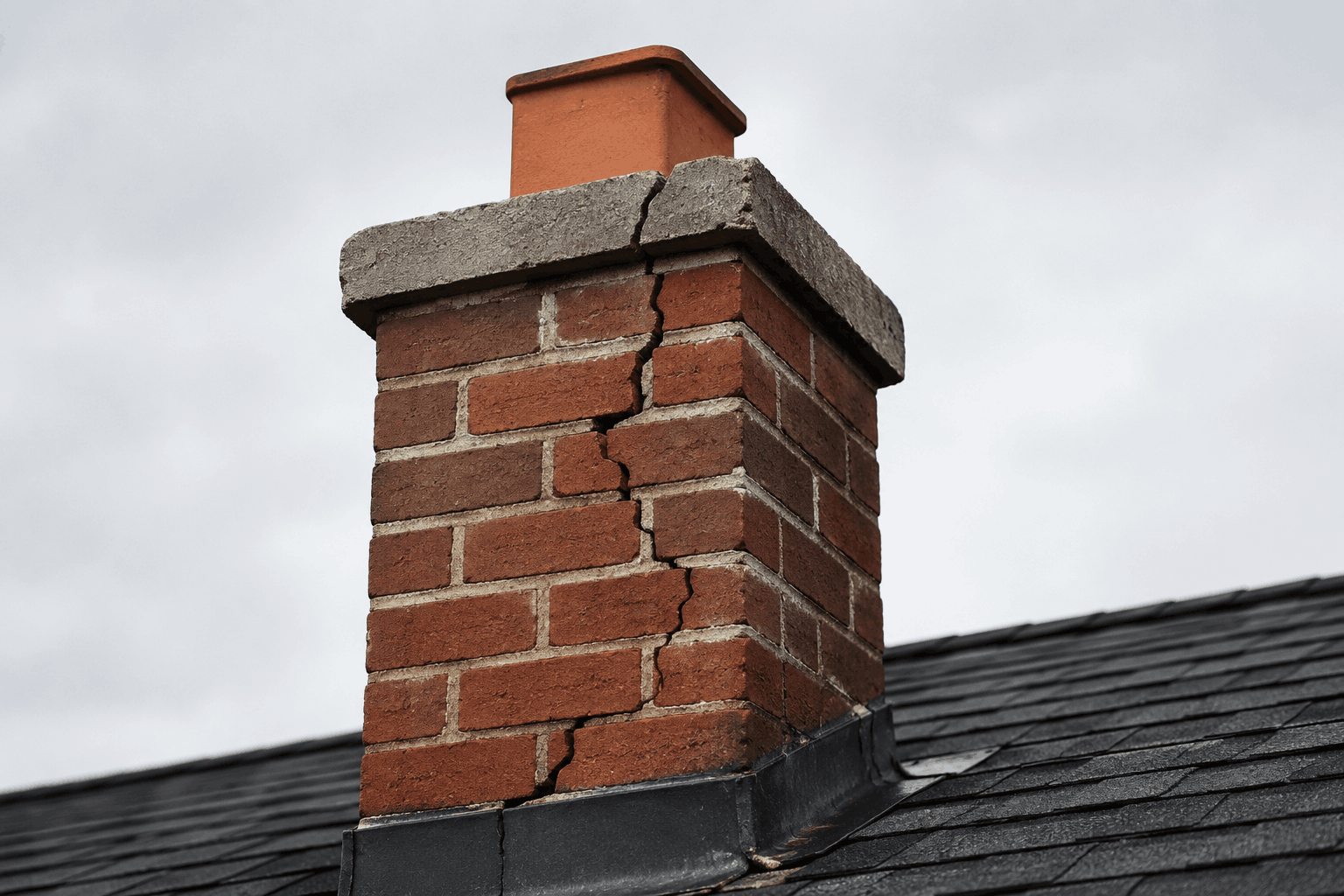
When Chimney Cracks Need Professional Attention
Not every chimney crack means the structure is failing, but cracks should not be ignored. A small surface crack may only need minor repair, while diagonal cracks, widening gaps, loose bricks, or leaning sections can point to a more serious issue.
In Manhattan, many older buildings have tight roof access, historic masonry details, and higher exposure to rooftop weather. For these properties, chimney brick repair in Manhattan can help address damage before it affects surrounding rooflines, walls, or exterior masonry.
Final Thoughts
Chimney brick cracks do not usually happen overnight. They develop through repeated moisture exposure, freeze-thaw cycles, heat movement, aging materials, structural shifts, and delayed maintenance. A small crack may seem minor, but in an older NYC building, it can become a sign of deeper masonry weakness.
For property owners across Manhattan, Brooklyn, the Bronx, Queens, and Westchester, early inspection and timely repair help reduce safety risks, control costs, and protect the long-term value of the building. In Westchester, older residential and commercial properties with exposed chimneys can benefit from timely chimney brick repair when cracks, water entry, or loose mortar begin to appear.
Sardar Restoration Corp provides residential and commercial masonry solutions across NYC, including chimney brick repair in NYC, brick pointing, repointing, restoration, and structural masonry repair. For more information or to discuss your property needs, call (+1) 917-355-8556, email sardarrestoration@gmail.com, or visit 2770 Fish Ave, Bronx, NY 10469, United States.
FAQs
Are chimney brick cracks always a serious problem for NYC homeowners?
Not always. Small surface cracks may be minor, but any chimney crack should be checked because moisture and freeze-thaw cycles can make it worse.
What happens if chimney brick cracks are left untreated?
Untreated chimney cracks can allow water to enter the masonry, weaken mortar joints, loosen bricks, and increase the risk of larger structural repairs over time.
What is the most common cause of chimney cracks in old buildings in NYC?
Water entry is one of the most common causes. Once moisture gets into brick or mortar, it can weaken the chimney and cause cracks to spread.
How do I know if chimney cracks are getting worse?
Widening cracks, falling brick pieces, damp stains, leaning sections, and loose mortar are common signs that chimney damage is getting worse.
How often should a chimney be inspected in NYC?
A chimney should usually be inspected once a year. Older buildings or properties with visible damage may need inspections twice a year.
Can cracked chimney bricks cause water leaks inside a building?
Yes. Cracked bricks and open mortar joints can let water enter the chimney system, which may lead to damp stains, interior leaks, or hidden masonry decay.
Should old chimney cracks be repaired or fully rebuilt?
It depends on the depth of the damage. Minor cracks may need repointing or brick replacement, while leaning, unstable, or severely damaged chimneys may need partial or full rebuilding.