 ChatGPT
 Perplexity
 Google AI
 Claude
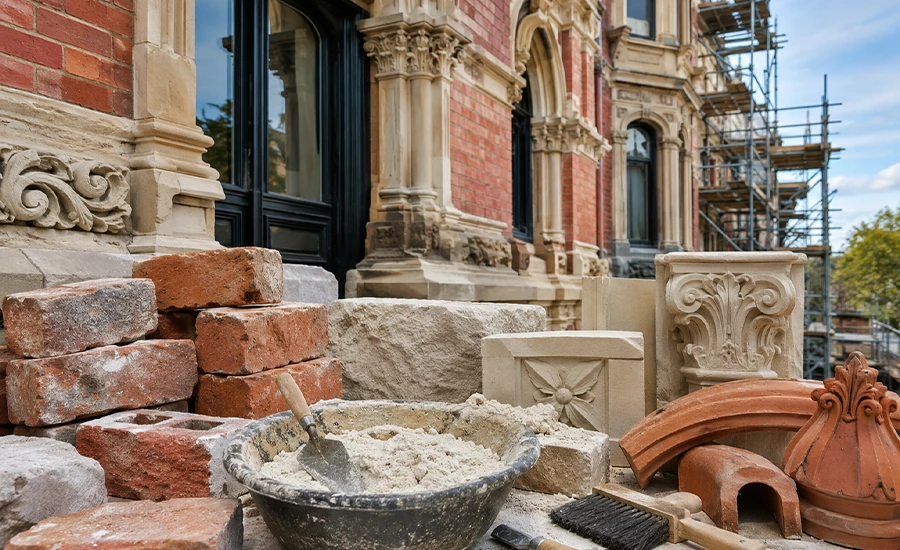
Historic buildings in New York City are valued for their original craftsmanship, architectural character, and period-specific construction methods. Whether it is a Brooklyn brownstone, a Bronx masonry building, a Manhattan landmark, or an older residential property in Queens, historic building repairs require the right materials, careful planning, and skilled restoration work.
Unlike modern construction, older structures often rely on breathable masonry, softer mortar, hand-crafted brick, natural stone, wood details, slate roofing, copper elements, and traditional stucco systems. Using compatible materials helps protect the building’s appearance, strength, and long-term performance.
This blog covers the top materials used in historic building repairs in NYC and explains why proper material matching matters in preservation-focused restoration projects.
- Ο Historic building repairs require materials that match the original construction.
- Ο Lime mortar is often preferred for older masonry because it is breathable and flexible.
- Ο Incompatible modern materials can trap moisture and damage brick, stone, or stucco.
- Ο Proper material matching helps preserve structural safety and historic character.
- Ο Skilled restoration contractors help protect older NYC buildings from long-term deterioration.
Why Material Compatibility Matters in Historic Building Restoration
Historic buildings in NYC were built with materials and construction methods that differ from modern buildings. Many older masonry walls were designed to breathe, absorb movement, and release moisture naturally. When the wrong repair material is used, it can interrupt that balance and create new damage.
Choosing compatible restoration materials helps:
- Preserve original architectural character
- Reduce moisture-related deterioration
- Support long-term masonry performance
- Maintain historical accuracy
- Prevent cracking, spalling, and trapped water
- Protect the building’s value and appearance
Improper materials can weaken masonry, damage surrounding brick or stone, and shorten the lifespan of repaired areas. This is why historic building restoration in NYC should begin with a careful inspection and material evaluation.

Recommended Materials Used in Historic Building Repairs
The materials used in historic restoration should be selected based on the building’s age, original construction, exposure conditions, and existing damage. For older residential and commercial properties, professional building restoration NYC work should follow material compatibility, structural safety, and preservation-focused repair planning. A structured landmark masonry restoration process also helps contractors inspect damage, match materials, and complete repairs without harming the original building fabric.
1. Lime Mortar for Historic Masonry Repair
Lime mortar is one of the most important materials used in historic masonry repair. Many older NYC buildings were built with lime-based mortar instead of modern Portland cement mortar.
Why Lime Mortar Matters
Lime mortar is softer and more flexible than cement mortar. Historic brick and stone naturally expand, contract, and release moisture over time. Lime mortar supports that movement without forcing stress into the masonry units.
For older brick and stone walls, lime mortar restoration in NYC is often used when the existing mortar is too soft for modern cement-based repair. Property owners can also review when lime mortar is the right restoration choice before planning work on historic masonry.
Benefits of Lime Mortar
- Allows moisture to escape
- Reduces cracking in older masonry
- Helps protect historic brick from spalling
- Maintains flexibility between masonry units
- Works well with traditional brick and stone construction
Using hard cement mortar on older masonry can trap moisture and cause surrounding bricks to crack, flake, or deteriorate. For many historic buildings, lime mortar is the safer and more compatible option.
2. Matching Historic Brick for Façade Restoration
Historic brick replacement is common during façade restoration, brownstone repair, and older masonry repair projects. Over time, bricks can crack, loosen, spall, or deteriorate because of moisture exposure, freeze-thaw cycles, age, and poor past repairs.
How Historic Brick Is Matched
Restoration specialists select replacement bricks that match the original masonry as closely as possible, including:
- Color
- Texture
- Density
- Size
- Surface finish
- Age-appropriate appearance
During facade work in NYC, brick matching should support both exterior safety and historic appearance. Repointing is also a key part of brick preservation because it renews failing mortar joints while helping protect the surrounding masonry. For more details, property owners can learn how repointing supports historic building preservation.
Common Historic Brick Repairs
- Brick replacement
- Brick repointing
- Crack repair
- Cleaning and restoration
- Masonry stabilization
Matching brick is especially important for NYC townhouses, landmark properties, and historic masonry façades where appearance and structural performance both matter.
3. Natural Stone for Historic Building Repairs
Many historic NYC buildings include limestone, sandstone, granite, marble, or brownstone components. Natural stone is often used in restoration because it preserves the original appearance, detail, and durability of the building.
Common Uses of Natural Stone
- Façades
- Steps
- Columns
- Decorative trim
- Window surrounds
- Foundations
- Brownstone details
Benefits of Natural Stone
- Long-lasting durability
- Authentic architectural appearance
- Strong weather resistance
- Structural stability
- Historic preservation value
Stone repair may include patching, Dutchman repairs, resurfacing, pinning, cleaning, or full stone replacement. The repair method depends on the level of damage and the original stone type. If cracks, bulging, rust stains, loose masonry, or water marks appear on the exterior, reviewing early façade warning signs can help owners decide when a professional inspection is needed.
4. Wood Timber for Historic Details and Framing
Historic buildings often include original wood framing, decorative trim, moldings, windows, doors, porches, and interior woodwork. Repairing these components requires careful craftsmanship and compatible wood species.
Common Wood Materials Used
- Oak
- Pine
- Cedar
- Cypress
- Redwood
Wood Restoration Applications
- Structural beam repair
- Window restoration
- Decorative trim replacement
- Porch repair
- Interior woodwork repair
Historic wood repairs may involve consolidation, epoxy repair systems, or custom-milled replacement pieces designed to match the original profile. Whenever possible, repair is preferred over full replacement to preserve historic detail.
5. Terra Cotta for Decorative Historic Façades
Terra cotta was widely used in historic commercial, institutional, and apartment buildings because it allowed detailed architectural ornamentation and offered fire-resistant performance.
Why Terra Cotta Is Important
Terra cotta adds decorative depth and period character to historic façades. Damaged terra cotta can also create safety concerns if pieces become cracked, loose, or displaced.
When cracked or loose units affect exterior safety, terracotta façade repair NYC helps stabilize damaged panels while preserving the original architectural detail. If deterioration extends beyond individual terra cotta units, broader facade repair in NYC may be needed to address cracks, mortar failure, moisture entry, or weakened exterior sections.
Common Terra Cotta Repairs
- Crack repair
- Glazing restoration
- Anchoring system replacement
- Piece replication
- Waterproofing
- Joint repair
Restoration contractors inspect terra cotta carefully because hidden deterioration, failed anchors, and water infiltration can lead to larger façade safety issues.
6. Slate Roofing for Historic Buildings
Slate roofing is one of the most recognizable materials found on historic buildings. When properly installed and maintained, slate roofing can last for several decades and often more than 100 years.
Benefits of Slate Roofing
- Long service life
- Natural historic appearance
- Fire resistance
- Strong weather performance
- Authentic roofing character
Common Slate Roof Repairs
| Slate Roof Repair Type | Preservation Purpose |
|---|---|
| Slate replacement | Replaces cracked, missing, or damaged slate pieces |
| Flashing repair | Helps stop water infiltration around roof joints |
| Fastener repair | Secures loose or shifting roofing materials |
| Underlayment repair | Improves moisture protection below the slate |
| Crown and ridge repair | Protects high-exposure roof areas from water entry |
Using a matching slate helps preserve the roof’s original look while maintaining long-term protection.
7. Copper for Historic Roofing and Flashing
Copper is commonly used in historic roofing systems, gutters, flashing, downspouts, cornices, and decorative architectural details.
Why Copper Is Used
Copper develops a protective patina over time. This natural layer helps improve weather resistance and allows copper to blend well with older architectural styles.
Common Copper Applications
- Roof flashing
- Gutters
- Downspouts
- Cornices
- Decorative trim
- Dome roofing
Benefits of Copper
- Long lifespan
- Corrosion resistance
- Flexible installation
- Low maintenance
- Strong historic visual appeal
Copper is often selected for historic building repairs because it performs well in exterior conditions and maintains a traditional appearance.
8. Traditional Stucco for Historic Exteriors
Traditional stucco systems are found on many older residential and commercial buildings. Historic stucco is different from modern synthetic stucco and must be repaired with compatible materials.
Traditional Stucco Materials
Historic stucco may contain:
- Lime
- Sand
- Natural aggregates
- Fibers
- Limited cement content
Benefits of Historic Stucco
- Breathability
- Flexibility
- Moisture control
- Traditional appearance
Improper stucco repairs can trap moisture behind the surface, leading to cracks, hidden deterioration, and structural damage.
Hurdles in Sourcing Historic Materials for Restoration in NYC
One of the biggest challenges in historic building restoration is finding materials that match the original construction. In NYC, older buildings face dense urban conditions, weather exposure, aging masonry, and layers of past repairs. These factors can make accurate material matching more difficult.
Historic repair materials may:
- Be hard to source
- Require custom fabrication
- Need specialized installation techniques
- React differently to moisture and temperature changes
- Require preservation review for landmark or historic district properties
Experienced masonry contractors must balance safety, appearance, durability, and historical accuracy throughout the restoration process. This is especially important when dealing with restoration challenges that affect older NYC buildings, including hidden structural damage, limited material availability, and preservation requirements. Before work begins, owners should also confirm whether the property qualifies as a landmark, because landmark status can affect approvals, material choices, and repair methods.

Industry-Approved Repair Practices for Historic Buildings in NYC
Historic building repairs in NYC should follow careful inspection, documentation, and material selection practices. For designated landmarks, historic district properties, and buildings subject to façade safety requirements, repair work should be handled with attention to preservation standards and exterior safety.
A professional facade inspection in NYC helps identify cracks, loose masonry, failed mortar joints, water entry, and hidden deterioration before repairs begin. It also helps property owners decide whether the project requires preservation-focused work or standard repair. Reviewing the difference between landmark restoration and standard repair can help set the right scope before materials are selected.
1. Perform Detailed Inspections
A thorough inspection helps identify cracked brick, loose mortar, damaged stone, failing anchors, water intrusion, and hidden deterioration before repairs begin.
2. Use Matching Repair Materials
Replacement materials should match the original construction as closely as possible in strength, texture, size, color, and performance.
3. Preserve Historic Features
Original materials should be stabilized and repaired when possible. Full replacement should only be used when repair is no longer practical or safe.
4. Hire Skilled Restoration Specialists
Historic restoration requires trained professionals who understand masonry behavior, traditional materials, façade safety, and period-appropriate repair methods. For mortar joint work, safe repointing methods for historic masonry are especially important because improper grinding, hard mortar, or poor curing can damage older brick and stone.
5. Control Water Infiltration
Moisture is one of the leading causes of historic building deterioration. Proper flashing, joints, sealants, roof repairs, and drainage details help protect the structure.
Final Thoughts on Materials Used in Historic Building Repairs
Historic building repair requires the right materials, skilled craftsmanship, and careful attention to the original construction. From lime mortar and historic brick to natural stone, terra cotta, slate roofing, copper, wood timber, and traditional stucco, each material plays an important role in preserving the building’s appearance, safety, and long-term durability.
Sardar Restoration Corp supports residential and commercial property owners across NYC, including the Bronx, Manhattan, Brooklyn, Westchester, and Queens. If your property has cracked brick, loose mortar, damaged stone, moisture problems, or aging façade conditions, working with a professional contractor for landmark restoration in NYC can help restore safety, improve durability, and prevent larger repair costs.
For expert inspections and repair solutions, call (+1) 917-355-8556, email sardarrestoration@gmail.com, or visit 2770 Fish Ave, Bronx, NY 10469, United States.
FAQs
Why is lime mortar preferred for historic masonry repairs in NYC?
Lime mortar is preferred because it is softer, more breathable, and more flexible than modern cement mortar. It allows older brick and stone masonry to move and release moisture without causing unnecessary stress.
Can modern materials damage historic buildings?
Yes. Hard cement mortar, incompatible stucco, poor sealants, or mismatched replacement materials can trap moisture, cause cracking, and speed up deterioration in historic buildings.
Why is material matching important in historic building restoration?
Material matching protects the building’s original appearance and structural behavior. Matching color, texture, density, and performance helps the repaired area blend with the existing construction.
What materials are commonly used in historic building repairs?
Common materials include lime mortar, historic brick, natural stone, terra cotta, slate roofing, copper, wood timber, and traditional stucco. The right material depends on the building’s age, condition, and original construction.
How long does slate roofing last on historic buildings?
A properly maintained slate roof can last for many decades and often more than 100 years. Its lifespan depends on slate quality, installation, flashing condition, roof slope, and routine maintenance.
What causes historic buildings in NYC to deteriorate?
Common causes include moisture intrusion, freeze-thaw cycles, aging mortar, poor past repairs, roof leaks, pollution, and lack of regular maintenance. Early inspections help prevent small issues from becoming major repairs.