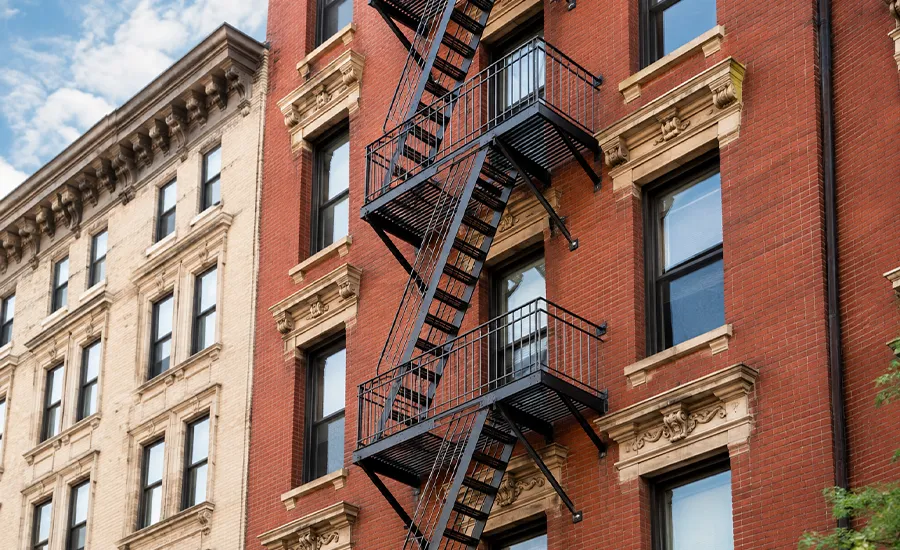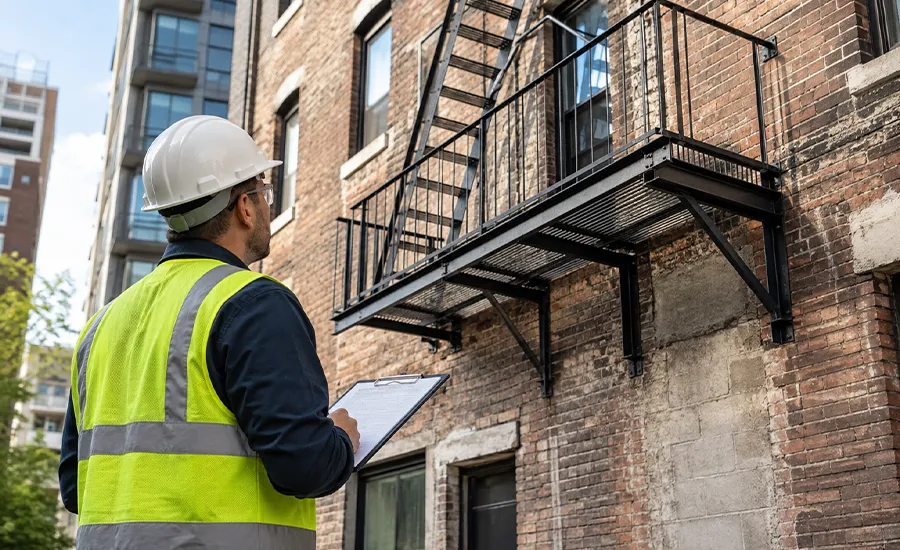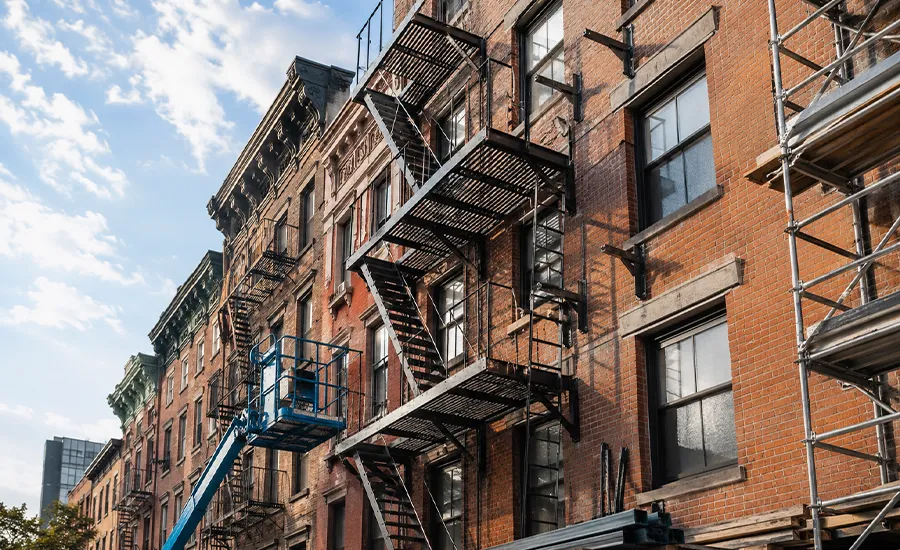
 ChatGPT
 Perplexity
 Google AI
 Claude
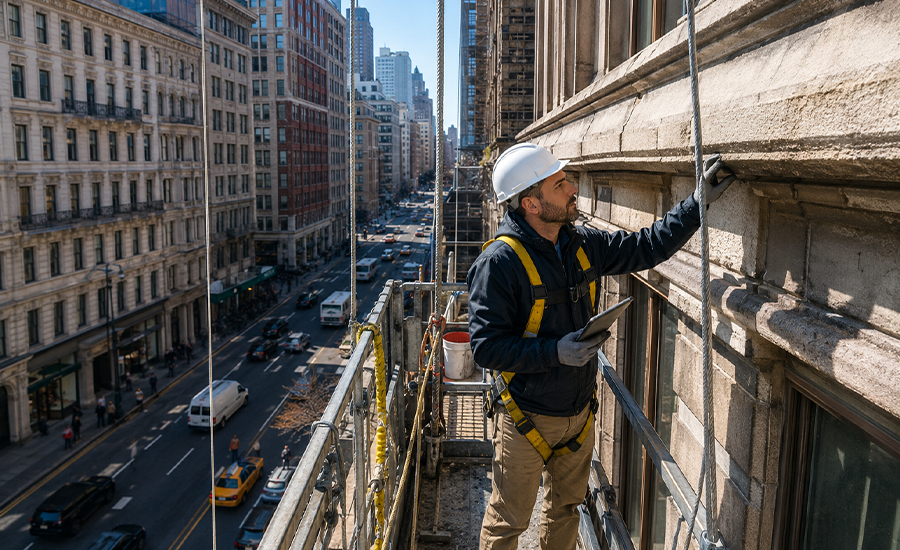
New York City buildings face constant exposure to freeze-thaw cycles, heavy rain, humidity, pollution, wind-driven moisture, and long-term structural movement. Over time, these conditions can weaken masonry, mortar joints, steel supports, sealants, flashing, and other façade components.
Under NYC’s Façade Inspection Safety Program, commonly known as Local Law 11, buildings over six stories must undergo periodic façade inspections by a Qualified Exterior Wall Inspector. These inspections help identify unsafe exterior wall conditions before they create pedestrian safety risks, DOB violations, emergency repair costs, or long-term structural damage.
This article covers five common façade problems found during Local Law 11 inspections and explains how each issue is usually repaired.
- Ο Local Law 11 applies to NYC buildings over six stories.
- Ο Common issues include cracks, spalling, rust, and leaks.
- Ο Small façade defects can become unsafe over time.
- Ο Early repairs help reduce DOB violation risks.
- Ο Regular maintenance protects building safety and value.
Common Façade Issues Found During Local Law 11 Inspections
Façade damage is not just an exterior appearance issue. In NYC, deteriorated building envelopes can affect public safety, building code compliance, property value, and long-term structural performance. During Local Law 11 inspections, engineers commonly look for cracks, loose materials, water entry points, displaced masonry, corrosion, and signs of unsafe façade movement.
1. Masonry Cracks and Brick Deterioration
Cracked or deteriorated masonry is one of the most common problems found during Local Law 11 inspections. Brick, stone, and concrete can weaken over time because of moisture exposure, settlement, thermal expansion, and age-related wear.
Even small cracks should not be ignored. Once water enters the façade system, it can damage mortar joints, loosen bricks, corrode hidden steel, and create larger wall movement issues. Property owners who want to understand how these issues are formally reviewed can learn more about the façade inspection process used for NYC buildings.
Common Causes of Masonry Deterioration in NYC Buildings
- Freeze-thaw cycles
- Water infiltration
- Building settlement
- Structural movement
- Aging brick or stone materials
- Improper masonry repairs
- Thermal expansion and contraction
Warning Signs of Cracked or Damaged Masonry
- Horizontal cracks
- Vertical cracks
- Stair-step cracks
- Loose bricks
- Bulging wall sections
- Surface flaking
- Missing or recessed mortar joints
Risks of Ignoring Masonry Cracks
Small cracks can create bigger safety and moisture problems if they are not repaired early.
| Facade Damage Issue | Potential Building Risk |
|---|---|
| Moisture entering cracks | Hidden wall deterioration |
| Bearing stress or settlement | Structural instability |
| Widening masonry cracks | Higher repair costs |
| Loose masonry units | Falling debris risk |
| Weak wall sections | Façade failure concerns |
Recommended Repairs for Masonry Deterioration
Common repair methods include brick replacement, masonry rebuilding, crack stitching, repointing, waterproof coatings, and structural reinforcement. The right repair depends on the depth of the crack, the age of the masonry, and whether the wall has active movement. In many cases, timely facade repair nyc services can help correct early masonry defects before they become unsafe façade conditions.
2. Brick, Stone, and Concrete Spalling
Spalling happens when brick, stone, or concrete begins to chip, crack, flake, or break away from the building surface. During Local Law 11 inspections, spalling is treated seriously because loose material can fall onto sidewalks, entrances, neighboring properties, or public areas below.
This issue is especially common in older NYC masonry buildings, reinforced concrete façades, balconies, parapets, cornices, and window areas. Spalling is also one of the issues that can contribute to failed façade inspection results when loose material creates a safety risk.
Main Causes of Façade Spalling
- Moisture intrusion
- Freeze-thaw expansion
- Rusting embedded steel
- Salt exposure
- Poor drainage
- Long-term water retention
Common Areas Where Spalling Appears
- Balcony edges
- Window lintels
- Cornices
- Parapets
- Concrete slabs
- Façade corners
- Stone trim and decorative details
Signs of Brick, Stone, and Concrete Spalling
Spalling signs can help inspectors identify unsafe exterior materials before pieces detach.
| Visible Spalling Sign | Safety or Structural Concern |
|---|---|
| Surface delamination | Outer façade layer may detach |
| Concrete cracking | Deeper stress may be developing |
| Exposed steel or rebar | Corrosion may spread inside the wall |
| Falling chips or fragments | Public safety concern |
| Broken brick faces | Moisture can enter faster |
Recommended Repairs for Spalled Façade Surfaces
Spalling repairs may include concrete patching, brick replacement, stone repair, steel treatment, waterproofing systems, sealant application, and full façade restoration where damage is widespread. For larger exterior wall damage, property owners may need façade restoration NYC solutions instead of small patch repairs.
3. Deteriorated Mortar Joints
Mortar joints help hold masonry walls together and protect the building envelope from water entry. Over time, mortar can crack, crumble, wash out, or separate from the brick. This is a common Local Law 11 inspection issue because damaged joints allow moisture to move deeper into the façade.
In NYC buildings, deteriorated mortar is often seen around parapets, window openings, corners, rooflines, and older brick walls exposed to frequent weather changes. These conditions should be reviewed early because timely exterior wall repairs in NYC can reduce the chance of emergency façade work later.
Common Causes of Mortar Joint Failure
- Continuous rain exposure
- Freeze-thaw damage
- Aging mortar materials
- Poor maintenance
- Incorrect repointing work
- Wind-driven moisture
Signs of Mortar Deterioration
- Crumbling joints
- Gaps between bricks
- Loose masonry units
- Interior leaks
- Efflorescence
- Visible joint erosion
- Mortar turning powdery or soft
Why Damaged Mortar Joints Are a Safety Concern
Weak mortar can allow water entry, masonry movement, and unsafe exterior wall conditions.
| Mortar Joint Problem | Possible Façade Impact |
|---|---|
| Open mortar joints | Moisture intrusion |
| Weak bond between bricks | Masonry movement |
| Water trapped behind the wall | Hidden structural decay |
| Poor expansion control | Cracking under stress |
| Loose joints near upper floors | Falling debris risk |
Recommended Repair for Deteriorated Mortar
Repointing is the most common repair for deteriorated mortar. It involves removing damaged mortar to the proper depth and installing new mortar that matches the existing wall in strength, texture, and appearance. Using the wrong mortar mix can damage older bricks, so material compatibility is important.
4. Rusted Steel Lintels and Structural Steel Corrosion
Steel lintels, shelf angles, anchors, and reinforcement bars support different parts of a façade. During Local Law 11 inspections, engineers often find corrosion near windows, doors, parapets, and areas where water has entered behind masonry.
When steel rusts, it expands. That expansion can push surrounding masonry outward, crack mortar joints, loosen bricks, and create unsafe façade movement. These hidden conditions are often part of the difference between safe and unsafe façade conditions under NYC inspection standards.
Common Causes of Steel Corrosion in Façades
- Water infiltration
- Failed flashing systems
- Poor drainage
- Long-term moisture exposure
- Cracked masonry
- Inadequate waterproofing
- Open joints around windows
Structural Steel Problems Found During Inspections
- Rusted steel lintels
- Corroded shelf angles
- Exposed reinforcement bars
- Loose façade anchors
- Cracked window openings
- Bulging masonry
- Rust staining on exterior walls
Warning Signs of Rusted Lintels and Steel Corrosion
Steel corrosion often appears through cracks, stains, bulging masonry, or movement around openings.
| Inspection Warning Sign | Likely Structural Issue |
|---|---|
| Diagonal cracking near windows | Expanding rust behind masonry |
| Rust stains on the wall | Water reaching steel components |
| Bulging brickwork | Steel expansion pressure |
| Cracked lintel areas | Weak bearing support |
| Loose masonry above openings | Falling material risk |
Recommended Repairs for Rusted Steel Components
Typical repairs include rust removal, steel coating, lintel replacement, shelf angle repair, masonry rebuilding, flashing installation, and waterproofing upgrades. If corrosion is extensive, an engineer may recommend structural reinforcement before the façade is closed back up. Buildings with visible corrosion, cracking, or unsafe movement may also need professional façade inspection in NYC support before repair work begins.
5. Failed Sealants, Flashing, and Waterproofing Systems
Water infiltration is one of the biggest causes of façade deterioration in NYC buildings. During Local Law 11 inspections, failed caulking, damaged flashing, open joints, and poor drainage are often found around windows, parapets, expansion joints, rooflines, and façade transitions.
Even minor leaks can cause major damage over time. Water can enter behind the exterior surface, weaken mortar, corrode steel, stain interiors, and accelerate freeze-thaw deterioration. In many buildings, waterproofing failure is one of the reasons owners compare façade repair and replacement options in NYC before choosing the right scope of work.
Common Water Entry Points in NYC Façades
- Cracked masonry
- Open mortar joints
- Failed sealants
- Window perimeters
- Roof parapets
- Expansion joints
- Damaged flashing systems
- Poor drainage areas
Problems Caused by Water Infiltration
Water intrusion can damage both the visible façade and hidden structural components.
| Water Intrusion Issue | Building Damage Risk |
|---|---|
| Failed sealants | Water enters wall openings |
| Metal corrosion | Steel support weakness |
| Freeze-thaw deterioration | Brick and concrete damage |
| Hidden water infiltration | Interior leaks and mold risk |
| Absorbent masonry failure | Faster façade aging |
Signs of Failed Waterproofing
- Cracked caulking
- Gaps around windows
- Water stains
- Peeling paint
- Damp interior walls
- Persistent leaks
- Staining below parapets or windows
Recommended Repairs for Waterproofing Failure
Preventive repairs may include sealant replacement, waterproof coatings, flashing repair, drainage improvements, expansion joint repair, parapet waterproofing, and routine façade maintenance. The goal is to prevent water from reaching structural components. For buildings with recurring leaks or moisture damage, façade waterproofing services in NYC can help protect the wall system from future deterioration.
Why Early Façade Repairs Matter for NYC Buildings
Early façade repair helps property owners avoid costly structural problems, unsafe conditions, and emergency repairs. Local Law 11 inspections are designed to identify risks before loose materials, water damage, or corrosion become serious public safety concerns.
For NYC residential and commercial buildings, early intervention can help:
- Improve pedestrian safety
- Prevent falling debris
- Reduce long-term repair costs
- Extend building lifespan
- Maintain property value
- Lower the risk of DOB violations
- Protect the building’s exterior appearance
Delaying repairs can also increase compliance pressure, especially when defects are connected to common DOB violation issues in NYC buildings. In some cases, unresolved exterior problems may also overlap with sidewalk or public access concerns, where owners may need separate support for clearing DOT sidewalk violations.
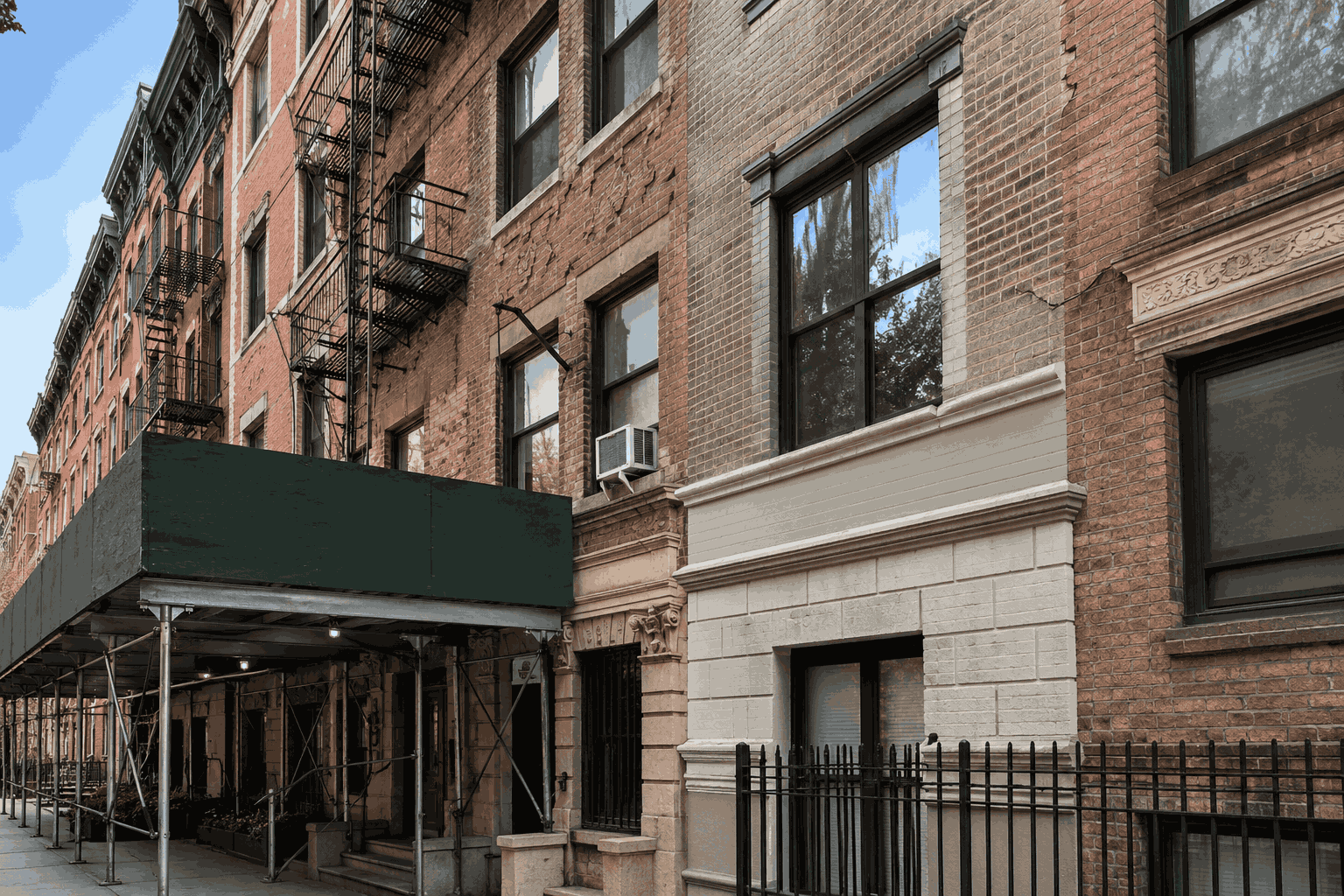
For high-density areas, repair planning should also consider building access, sidewalk protection, neighboring structures, and local façade conditions. This is especially important for owners arranging façade work in Manhattan, where narrow streets and active pedestrian zones can affect repair logistics, and for properties needing façade work in the Bronx, where older masonry buildings often require careful crack, mortar, lintel, and waterproofing review.
Local Law 11 Repair Planning and Cost Considerations
The cost of façade repair depends on the type of damage, building height, access requirements, material condition, and whether the issue is classified as safe, unsafe, or safe with a repair and maintenance program. Small cracks or sealant failures are usually less expensive to address than widespread spalling, steel corrosion, or unstable masonry.
Property owners should also review Local Law 11 compliance costs before inspection deadlines, because scaffolding, engineering review, filing requirements, and repairs can all affect the final budget. A clear understanding of NYC Local Law 11 rules and owner responsibilities can help avoid rushed decisions and costly last-minute repairs.
Final Thoughts on Local Law 11 Façade Problems
Local Law 11 inspections play an important role in protecting NYC buildings, pedestrians, tenants, and property owners. Cracked masonry, spalling, deteriorated mortar joints, rusted steel lintels, and failed waterproofing systems are among the most common façade problems found during inspections.
Addressing these issues early helps prevent unsafe conditions, reduce repair costs, and keep the building compliant with NYC façade safety requirements.
Sardar Restoration Corp supports residential and commercial property owners across NYC, including the Bronx, Manhattan, Brooklyn, Westchester, and Queens. If your building has cracked masonry, spalling, rusted lintels, water intrusion, or façade safety concerns, working with a trusted Local Law 11 contractor in NYC can help restore safety, improve durability, and reduce future repair risks.
For expert façade inspections and repair solutions, call (+1) 917-355-8556, email sardarrestoration@gmail.com, or visit 2770 Fish Ave, Bronx, NY 10469, United States.
FAQs About Local Law 11 Façade Problems
Why are Local Law 11 façade inspections important in NYC?
Façade inspections help identify unsafe exterior wall conditions before they lead to falling debris, water damage, structural deterioration, or DOB compliance issues.
What happens if façade damage is ignored?
Ignored façade damage can worsen over time and may lead to unsafe masonry, water intrusion, steel corrosion, emergency repairs, DOB violations, and higher restoration costs.
What is the most common façade problem found during Local Law 11 inspections?
Cracked masonry and deteriorated mortar joints are among the most common issues because they allow moisture to enter the wall system and weaken façade materials.
What causes façade deterioration in NYC buildings?
Common causes include freeze-thaw cycles, rain exposure, aging materials, poor drainage, pollution, building movement, and delayed maintenance.
Why are rusted steel lintels dangerous?
Rusted steel expands as corrosion grows. This pressure can crack nearby masonry, push bricks outward, weaken window openings, and create unsafe façade conditions.
When should NYC property owners call a façade contractor?
Property owners should call a façade contractor when they notice cracks, spalling, loose bricks, rust stains, leaks, bulging walls, or open mortar joints.
Can early façade repair reduce Local Law 11 compliance risks?
Yes. Early repair can help correct small defects before they become unsafe conditions, reduce emergency repair needs, and support smoother Local Law 11 compliance.