 ChatGPT
 Perplexity
 Google AI
 Claude
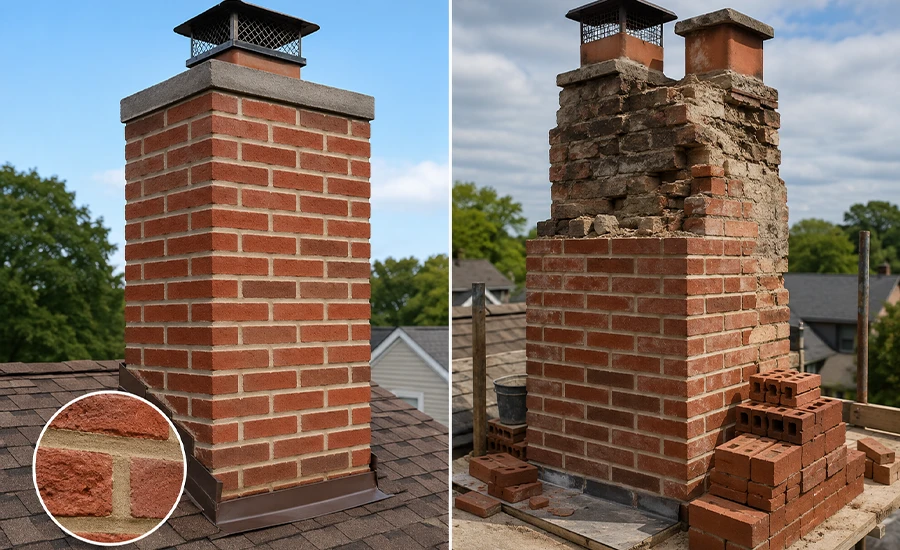
A chimney sits on one of the most exposed parts of a building. In NYC, it faces rain, snow, wind, temperature changes, moisture, and freeze-thaw cycles throughout the year. Over time, this exposure can weaken mortar joints, damage bricks, and affect the structural stability of the chimney.
When damage appears, many property owners are unsure whether chimney repointing is enough or whether chimney rebuilding is required. Both services protect the chimney, but they are used for different levels of damage, cost, labor, and long-term performance.
This blog explains the key differences between chimney repointing and chimney rebuilding so NYC homeowners can make a safer, more cost-effective repair decision.
- Ο Chimney repointing repairs deteriorated mortar joints before deeper damage spreads.
- Ο Chimney rebuilding is needed when the chimney structure is unsafe or severely damaged.
- Ο Early chimney repair helps reduce long-term restoration costs.
- Ο NYC weather can speed up mortar decay, brick damage, and moisture problems.
- Ο Choosing the right repair method improves chimney safety, durability, and performance.
What Is Chimney Repointing?
Chimney repointing is a masonry repair process that removes damaged mortar from the joints between bricks and replaces it with fresh mortar. The goal is to strengthen the chimney, improve moisture resistance, and preserve the original brick structure. For property owners comparing repair options, learning how professional repointing restores weakened masonry joints can help explain why this method is often recommended before more serious structural damage develops.
Repointing focuses on the mortar joints, not full chimney reconstruction. It is usually recommended when the bricks are still stable, but the mortar has started to crack, crumble, or separate. In many NYC buildings, timely brick repointing NYC service helps protect chimney brickwork from water entry, open joints, and continued mortar loss.
Chimney Repointing Process
The chimney repointing process usually includes:
- Inspecting chimney mortar joints
- Removing loose or deteriorated mortar
- Cleaning the masonry joints
- Applying matching mortar
- Smoothing and finishing the joints
- Sealing vulnerable areas when needed
- Performing a final inspection
Some property owners ask whether new mortar can be applied over the old surface, but proper repair usually requires removing damaged material first. A closer look at why old mortar must be removed before repointing shows why shortcut repairs often fail faster in NYC weather.

Signs Your Chimney Needs Repointing
Your chimney may need repointing if you notice:
- Cracked mortar joints
- Crumbling mortar
- Small gaps between bricks
- Water leaks near the chimney
- White staining on masonry surfaces
- Loose mortar falling from joints
- Minor brick movement
- Draft issues caused by open mortar gaps
These issues can start small, but they often point to early masonry failure. If you are unsure whether the damage is limited to mortar or spreading into the brickwork, reviewing early signs of failing chimney masonry can help you know when to schedule an inspection.
Benefits of Chimney Repointing
Repointing is a practical repair option when chimney damage is still limited to the mortar joints. When completed properly, it can extend the service life of the chimney and reduce the risk of larger masonry repairs later.
For many NYC homes, mortar joint deterioration is one of the first warning signs that the chimney needs attention. This is why proper brick pointing for chimney maintenance is important before loose joints allow moisture to move deeper into the masonry system.
Key Benefits of Repointing
- Extends chimney lifespan
- Improves moisture resistance
- Preserve the original masonry appearance
- Reduces future repair costs
- Strengthens weakened mortar joints
- Helps prevent brick deterioration
- Costs less than rebuilding
- Improves exterior appearance
What Is Chimney Rebuilding?
Chimney rebuilding is a more extensive masonry restoration service. It involves dismantling and reconstructing damaged chimney sections when the structure is no longer safe or stable.
Rebuilding may include replacing bricks, mortar, flashing, chimney crowns, liners, or full chimney sections. This service is usually required when repointing cannot restore the chimney’s structural integrity. If individual bricks are damaged but the full structure is not failing, brick replacement NYC may be part of the repair plan before full rebuilding becomes necessary.
Chimney Rebuilding Process
The chimney rebuilding process may include:
- Complete structural chimney inspection
- Removing unsafe masonry sections
- Taking out damaged bricks and mortar
- Rebuilding with new masonry materials
- Installing new flashing or chimney crown
- Waterproofing and sealing
- Final safety inspection
A full rebuild is more involved than basic repair because it addresses unstable masonry from the inside out. For older properties, understanding the chimney brick restoration process can help owners see how contractors evaluate damage, remove unsafe material, and rebuild for long-term stability.
Signs Your Chimney Needs Rebuilding
Your chimney may need rebuilding if you notice:
- Severely cracked bricks
- Leaning chimney structure
- Large structural gaps
- Collapsing masonry
- Extensive water damage
- Missing bricks
- Chimney pulling away from the building
- Repeated repair failures
- Unsafe structural movement
Older NYC buildings can develop brick cracks from weather exposure, settlement, moisture, and aging materials. When cracks keep spreading, it may help to review why chimney bricks crack in older buildings before deciding whether repair or rebuilding is the safer choice.
Benefits of Chimney Rebuilding
Chimney rebuilding is more labor-intensive than repointing, but it is necessary when the chimney has serious structural damage. It helps restore safety, correct major masonry failure, and protect the property from further deterioration.
When damage affects both the brick units and the mortar joints, a contractor may recommend brick repair NYC instead of basic repointing alone. This helps address visible cracks, loose brick sections, and weakened masonry before the chimney becomes more unsafe.
Key Benefits of Rebuilding
- Restores full structural integrity
- Reduces serious safety risks
- Provides long-term durability
- Improves property protection
- Corrects major water damage issues
- Allows damaged materials to be replaced
- Improves chimney appearance
- Helps prevent structural collapse
Chimney Repointing vs Chimney Rebuilding Cost Differences
Chimney repointing and chimney rebuilding both support masonry restoration, but they address different damage levels. Cost is one of the biggest differences between the two services.
| Service | Typical Cost Level |
|---|---|
| Chimney Repointing | Most cost-effective repair option |
| Partial Chimney Rebuilding | Medium to high cost level |
| Full Chimney Rebuilding | Highest cost restoration option |
Repointing is usually more affordable because it requires less labor, fewer materials, and a shorter project timeline. Rebuilding costs more because damaged chimney sections must be removed and reconstructed.
Factors That Affect Chimney Repair Cost
The final cost depends on:
- Chimney size
- Height and accessibility
- Extent of masonry damage
- Material requirements
- Labor complexity
- Local weather exposure
- Structural safety conditions
- Whether partial or full rebuilding is needed
Waiting too long to repair chimney damage can turn a smaller repointing project into a larger rebuilding job. If mortar gaps, cracks, and leaks are ignored, the costly risks of delaying repointing work can include deeper water damage, loose bricks, and structural repair needs.
How Early Inspections Protect NYC Historic Chimneys
Early chimney inspections help protect safety, stability, and long-term masonry performance. This is especially important for older homes, brownstones, landmark-style buildings, and historic properties across Brooklyn, Manhattan, the Bronx, Queens, Westchester, and nearby NYC areas.
A professional inspection can identify mortar deterioration, brick movement, moisture damage, and unsafe chimney conditions before they become costly structural problems. When the chimney is already showing cracks, leaning, or separation, scheduling chimney repair NYC can help determine whether repointing, brick repair, or rebuilding is the right solution.
Why Chimney Inspections Matter
Regular chimney inspections help:
- Identify mortar deterioration early
- Reduce the risk of water penetration
- Lower long-term repair costs
- Improve chimney safety
- Extend masonry lifespan
- Reduce emergency repair needs
- Protect structural stability
Professional inspections are especially important after heavy storms, winter weather, roof leaks, or long moisture exposure.
Preventive Chimney Care Tips for NYC Homeowners
Preventive chimney maintenance helps keep the structure safer, stronger, and more weather-resistant. In NYC, where seasonal weather changes can be harsh on masonry, routine care can prevent minor mortar issues from becoming major chimney repairs.
Moisture is one of the most common causes of chimney and exterior masonry deterioration. The same type of water intrusion that affects façades can also weaken chimney mortar, which is why understanding how water penetration damages exterior masonry is important for long-term property protection.
Chimney Maintenance Checklist
- Schedule regular chimney assessments.
- Repair mortar damage early.
- Install or maintain chimney caps.
- Keep flashing protected and watertight.
- Seal masonry surfaces when needed.
- Remove unwanted vegetation.
- Watch for cracks, leaks, and staining.
- Clean the chimney regularly.
- Check for loose bricks after severe weather.

Routine maintenance helps preserve both the chimney’s exterior appearance and load-bearing reliability. It also reduces the chance of serious safety issues linked to neglected masonry, including the structural risks of ignoring chimney damage when early warning signs are left untreated.
Final Thoughts
Chimney repointing repairs damaged mortar joints and helps preserve the existing chimney structure, while chimney rebuilding is used when major structural damage requires partial or complete reconstruction. For NYC property owners, timely inspections, proper masonry repairs, and regular maintenance can improve chimney safety, reduce moisture damage, and prevent larger repair costs.
Sardar Restoration Corp supports residential and commercial property owners across NYC, including the Bronx, Manhattan, Brooklyn, Queens, and Westchester. If your chimney has cracked bricks, loose mortar, leaning masonry, or moisture damage, working with a professional contractor for chimney brick repair in NYC can help restore safety and durability. You can also contact Sardar Restoration Corp if you need an experienced brickwork contractor in NYC for masonry repair, repointing, rebuilding, and related exterior restoration work.
For expert inspections and repair solutions, call (+1) 917-355-8556, email sardarrestoration@gmail.com, or visit 2770 Fish Ave, Bronx, NY 10469, United States.
FAQs
Is chimney repointing cheaper than chimney rebuilding?
Yes. Chimney repointing is usually cheaper because it repairs damaged mortar joints without removing and rebuilding large chimney sections.
How do I know if my chimney needs repointing or rebuilding?
If the bricks are stable but the mortar is cracked or crumbling, repointing may be enough. If the chimney is leaning, separating, missing bricks, or structurally unsafe, rebuilding may be required.
Can chimney repointing fix cracked bricks?
No. Repointing repairs mortar joints. If bricks are cracked, loose, or severely damaged, brick replacement or chimney rebuilding may be needed.
How long does chimney repointing last in NYC weather?
Chimney repointing can last for many years when done properly, but lifespan depends on weather exposure, moisture control, brick condition, and maintenance.
What causes chimney mortar to deteriorate?
Common causes include moisture penetration, freeze-thaw cycles, aging mortar, harsh weather, poor maintenance, roof leaks, and water infiltration.
When is chimney rebuilding necessary?
Chimney rebuilding is necessary when the chimney has major structural damage, severe brick deterioration, large gaps, leaning, collapse risk, or repeated repair failure.
Can delaying chimney repair increase the cost?
Yes. Delaying chimney repair can allow moisture and structural damage to spread, which may turn a small repointing job into a larger rebuilding project.