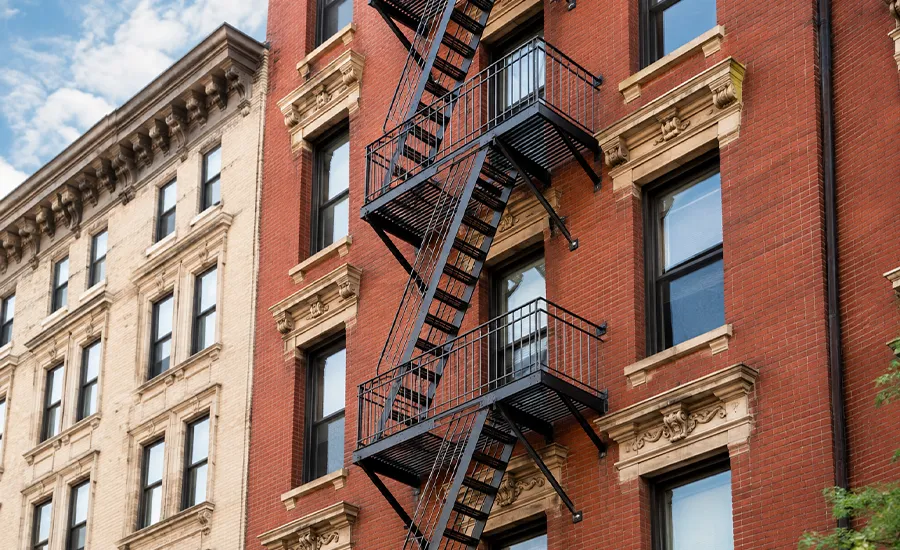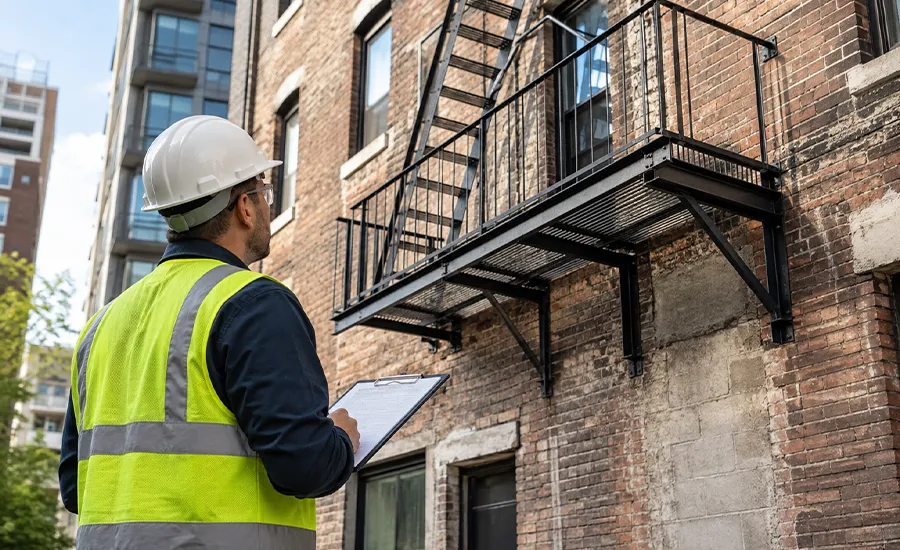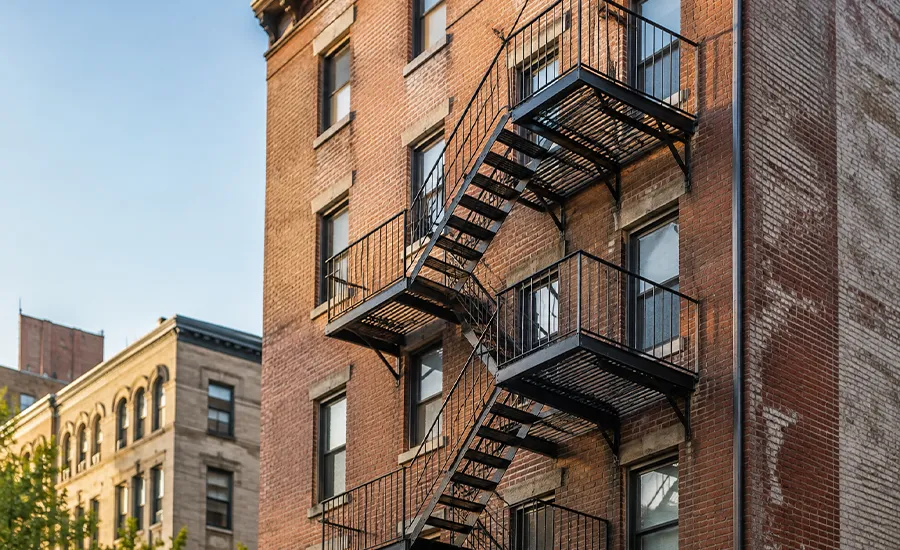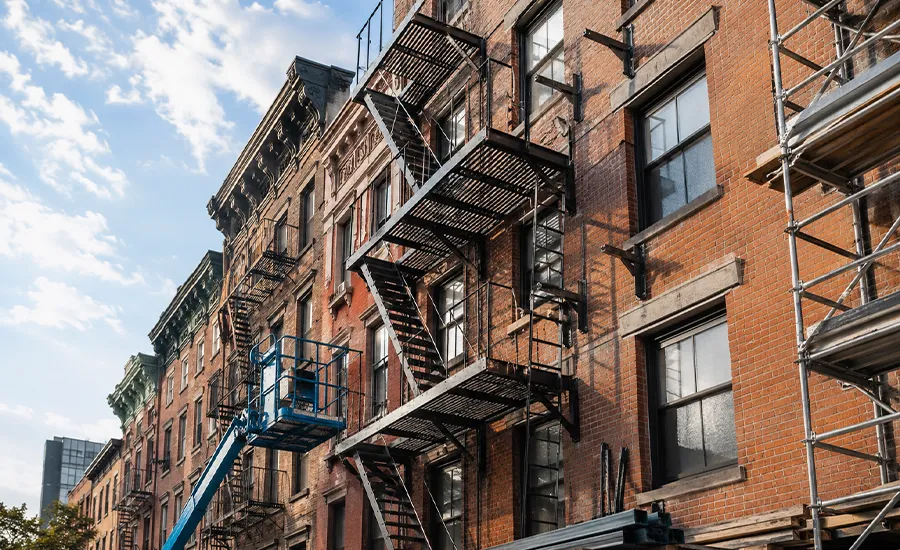

 ChatGPT
 Perplexity
 Google AI
 Claude
New York City buildings face constant exposure to rain, wind, snow, humidity, freeze-thaw cycles, and everyday environmental wear. A building façade is more than an exterior finish. It protects the property’s walls, structural components, insulation, and interior spaces from moisture and weather damage.
Water is one of the most damaging threats to brick, stone, stucco, concrete, and masonry façades. When moisture enters through cracks, open joints, damaged flashing, or weak sealants, the damage can build slowly behind the surface before it becomes visible. Property owners across the Bronx, Brooklyn, Manhattan, Queens, and nearby NYC areas should address water infiltration early to avoid costly façade deterioration and safety concerns.
This guide explains how water penetration damages building façades, the warning signs to look for, and the preventive steps that help protect long-term structural integrity.
- Ο Façades protect buildings from moisture and weather.
- Ο Water intrusion weakens masonry over time.
- Ο Cracks, joints, and flashing are common leak points.
- Ο Early inspections help prevent major façade damage.
- Ο Ignored leaks can lead to costly structural repairs.
How Water Penetration Deteriorates Building Façades in NYC
Water penetration occurs when moisture enters the exterior wall system through cracks, gaps, open mortar joints, damaged materials, or poorly sealed surfaces. Over time, repeated exposure allows water to move deeper into the façade and affect the building envelope.
Common areas where water enters include:
- Cracked masonry or stucco
- Failed sealants and caulking joints
- Damaged flashing systems
- Open mortar joints
- Window and door perimeters
- Roof-to-wall intersections
- Expansion joints
- Poor drainage systems
Even minor moisture intrusion can become a serious issue when it remains untreated for long periods, especially on older NYC masonry buildings.

What Causes Water to Penetrate Building Façades in NYC?
Water infiltration affects both the appearance and structural performance of a building. The damage often starts gradually, but continued exposure can weaken the façade system and allow moisture to reach interior materials. In many older properties, a professional facade inspection in NYC can help identify moisture entry points before they turn into larger repair issues.
Buildings across NYC are exposed to heavy rain, winter freezing, pollution, aging masonry, and repeated thermal movement. These conditions can open small pathways for water to enter the façade. Property owners who notice visible cracking, movement, or loose exterior materials should also review the early warning signs of façade structural damage before the condition becomes unsafe.
1. Surface Discoloration and Staining
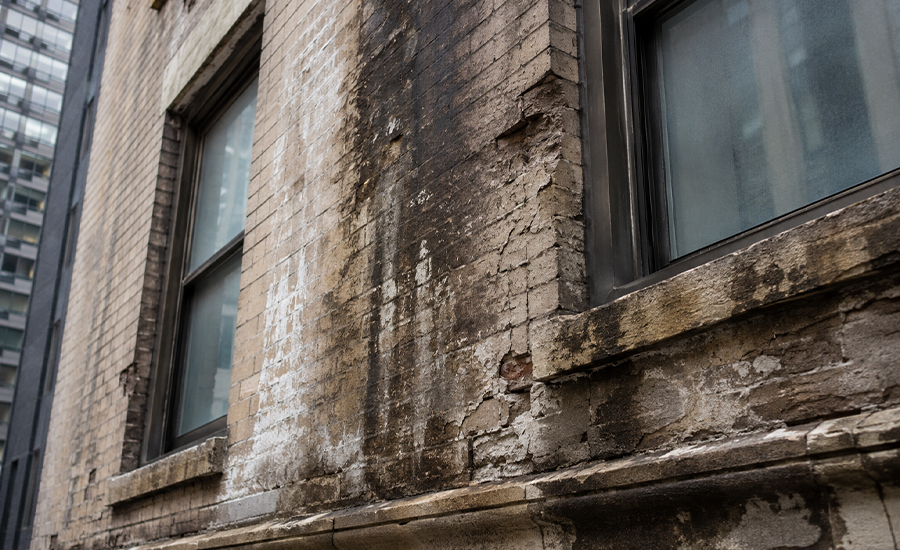
One of the earliest visible signs of water penetration is staining on exterior walls. Moisture can carry dirt, minerals, and pollutants across the façade surface, leaving visible marks.
Common visual signs include:
- Efflorescence that leaves white powdery salt deposits
- Rust or corrosion stains that create orange or brown streaks
- Dark mold or mildew staining on damp areas
These stains affect curb appeal and often indicate deeper moisture movement within the façade. When stains appear near cracks, parapets, lintels, or window openings, timely facade crack repair in NYC can help stop water from spreading behind the exterior wall system.
2. Masonry Surface Deterioration
Brick, stone, and concrete façades can absorb moisture when exposed to repeated water intrusion. Over time, this weakens the surface and damages the material bond.
Signs of masonry deterioration include:
- Crumbling mortar joints
- Spalling bricks
- Surface flaking
- Loose masonry units
- Cracked stone surfaces
When masonry loses strength, the façade becomes more vulnerable to leaks, instability, and exterior wall damage. If brick surfaces are flaking or breaking apart, property owners can learn more about repairing spalling brick before deeper wall damage spreads. Deteriorated joints should also be addressed early because weak mortar joints can expose the wall to recurring water intrusion.
3. Mold and Mildew Growth
Damp exterior walls can create the right conditions for mold and mildew growth. Once water enters the building envelope, moisture can spread behind walls, ceilings, insulation, and interior finishes.
Mold-related problems may include:
- Musty odors
- Indoor air quality concerns
- Allergy irritation
- Respiratory discomfort
- Damage to drywall, paint, and insulation
Moisture control is important for protecting both the building structure and interior living conditions. In buildings with recurring dampness, professional waterproofing NYC solutions may be needed to reduce water entry and protect moisture-prone areas.
4. Interior Dampness and Finish Damage
Water infiltration does not always stay on the exterior surface. Moisture can travel into wall cavities, ceilings, floors, and insulation systems.
Common interior problems include:
- Peeling paint
- Bubbling drywall
- Ceiling stains
- Warped flooring
- Damaged insulation
Interior repairs can become expensive when the original façade leak is not corrected at the source. This is why many property owners compare façade repair and replacement options in NYC before damage spreads across larger sections of the building envelope.
5. Freeze-Thaw Façade Damage
NYC winters can make water penetration more damaging. When trapped moisture freezes, it expands inside brick, stone, concrete, or mortar. As temperatures rise, the ice melts, and the cycle repeats.
Freeze-thaw damage can cause:
- Larger cracks
- Surface breakage
- Brick spalling
- Stone fractures
- Concrete deterioration
Once freeze-thaw damage begins, façade deterioration can accelerate quickly if moisture continues to enter the wall system. For older buildings, timely facade repair in NYC helps control moisture-related deterioration before repairs become more extensive.
Best Practices for Preventing Water Penetration Damage
Preventive façade maintenance is one of the best ways to reduce moisture-related damage. Older brick and masonry buildings in the Bronx, Brooklyn, Manhattan, Queens, and surrounding NYC areas often need periodic inspections and timely repairs due to age, weather exposure, and heavy seasonal changes.
Many façade issues are also identified during compliance reviews. Property owners can better prepare by knowing the common façade problems found during Local Law 11 inspections, especially when cracks, loose masonry, or water stains are already visible. These conditions can also help determine whether a building has safe or unsafe façade conditions in NYC.
1. Schedule Routine Façade Inspections
Regular façade inspections help identify cracks, open joints, loose masonry, failing sealants, and water runoff concerns before they develop into major repairs. These inspections are especially important for aging brick, stone, and concrete buildings exposed to repeated seasonal weather.
2. Repair Deteriorated Masonry Joints
Damaged mortar joints allow water to enter brick and stone walls. Repointing or rebuilding weak joints improves moisture resistance and supports the masonry structure.
3. Renew Sealants Around Openings
Windows, doors, expansion joints, and wall transitions should be sealed properly. Worn or cracked sealants should be replaced to help block water entry.
4. Apply Water-Repellent Treatments
Professional-grade water-repellent treatments can add a protective barrier to exterior masonry surfaces while allowing the wall to breathe when applied correctly. This approach is often part of a broader facade restoration NYC plan for buildings with recurring moisture exposure.
5. Repair Flashing and Drainage Details
Flashing helps direct water away from vulnerable façade areas. Damaged, loose, or poorly installed flashing should be repaired to prevent water from collecting behind the exterior wall. Property owners planning exterior improvements should also understand what façade work includes in construction, so repairs address both visible and hidden moisture issues.

6. Maintain Gutters and Downspouts
Clogged gutters and downspouts can force water to overflow against façade walls. Keeping drainage systems clear helps reduce direct water exposure on masonry surfaces. Since different exterior systems react to moisture in different ways, it also helps to know the main types of building façades and how they perform under NYC weather conditions.
Final Thoughts
Water penetration can damage the appearance, performance, and structural condition of a building façade. When leaks, cracks, and moisture stains are ignored, the damage can spread into masonry, insulation, interior finishes, and supporting components. This is why NYC property owners should not delay moisture-related repairs, especially when timely façade repairs can prevent larger building problems.
Sardar Restoration Corp. proudly serves property owners across the Bronx, Manhattan, Brooklyn, Queens, Westchester, and nearby NYC areas. If your building has moisture stains, cracked masonry, damaged flashing, or signs of façade leaks, speak with an experienced façade contractor in NYC for a professional assessment and repair plan. Contact us today at (+1) 917-355-8556, email sardarrestoration@gmail.com, or visit us at 2770 Fish Ave, Bronx, NY 10469, United States.
FAQs
What causes water penetration in NYC building façades?
Water penetration is often caused by cracked masonry, deteriorated mortar joints, failed sealants, damaged flashing, poor drainage, open expansion joints, and weather-related wear.
How can I tell if my building façade has water damage?
Common signs include water stains, peeling paint, mold growth, efflorescence, loose bricks, cracked mortar joints, damp interior walls, and visible seepage near windows or ceilings.
Why is water penetration dangerous for Brooklyn buildings?
Many Brooklyn buildings have older brick, stone, or masonry façades. Water infiltration can weaken these materials, damage insulation, promote mold growth, corrode metal supports, and lead to costly interior and exterior repairs.
Can water penetration affect indoor air quality?
Yes. Moisture trapped behind walls can support mold and mildew growth, which may affect indoor air quality and contribute to allergy or respiratory irritation.
What are the most vulnerable areas of a façade?
The most vulnerable areas include windows, doors, expansion joints, roof-to-wall intersections, mortar joints, flashing systems, parapet walls, balconies, and exterior cracks.
How often should a building façade be inspected for water damage?
Property owners should schedule routine façade inspections at least once a year and after major storms, heavy rain, or winter freeze-thaw periods. Older NYC masonry buildings may need more frequent checks.
Can waterproof coatings stop all façade leaks?
Waterproof coatings can help protect exterior surfaces, but they do not fix cracks, open joints, failed flashing, or structural defects. The source of water entry should be repaired before applying any protective treatment.
What should I do if I see water stains on my façade?
Water stains should be inspected early. They may indicate failed sealants, damaged mortar, drainage problems, or hidden water movement behind the wall surface. Timely repair can prevent more serious damage.