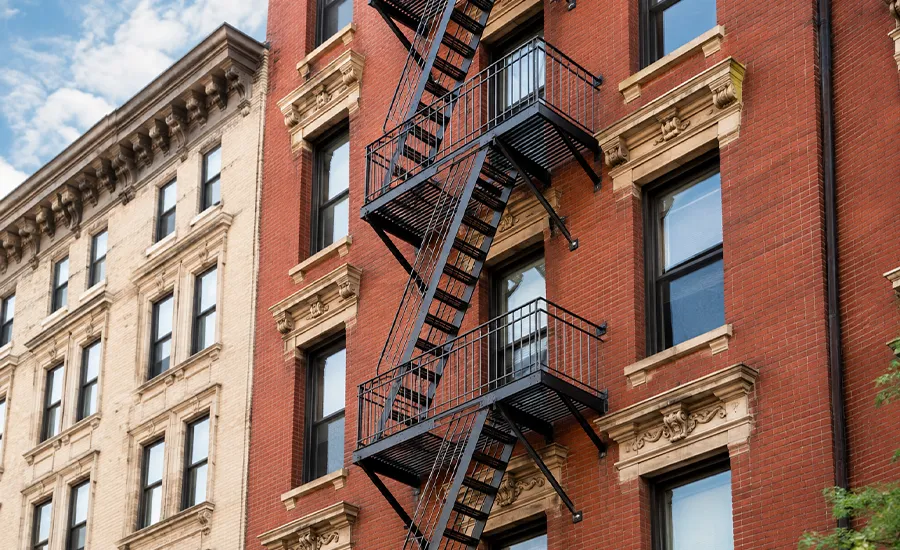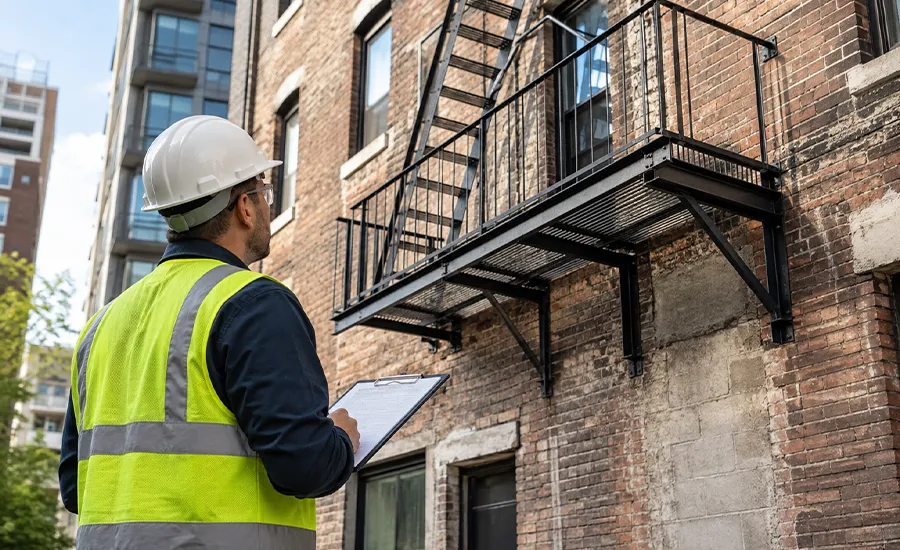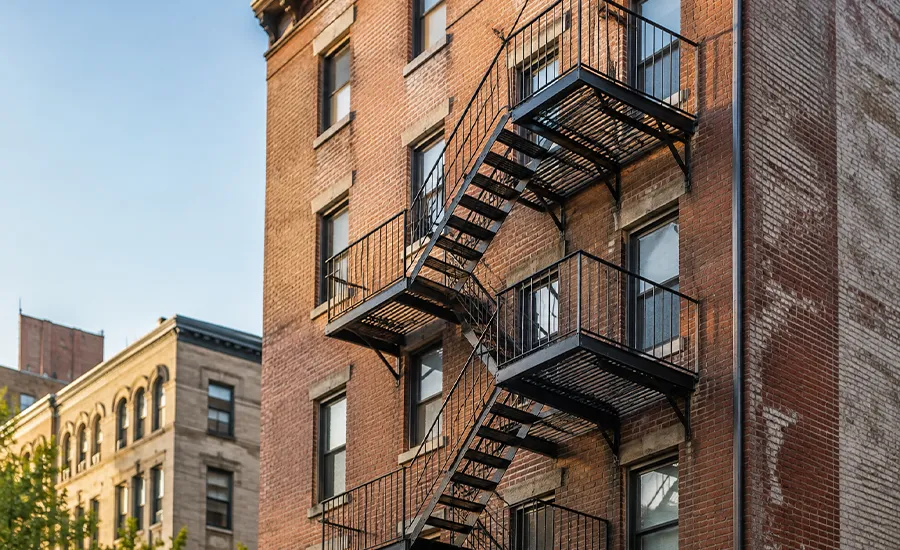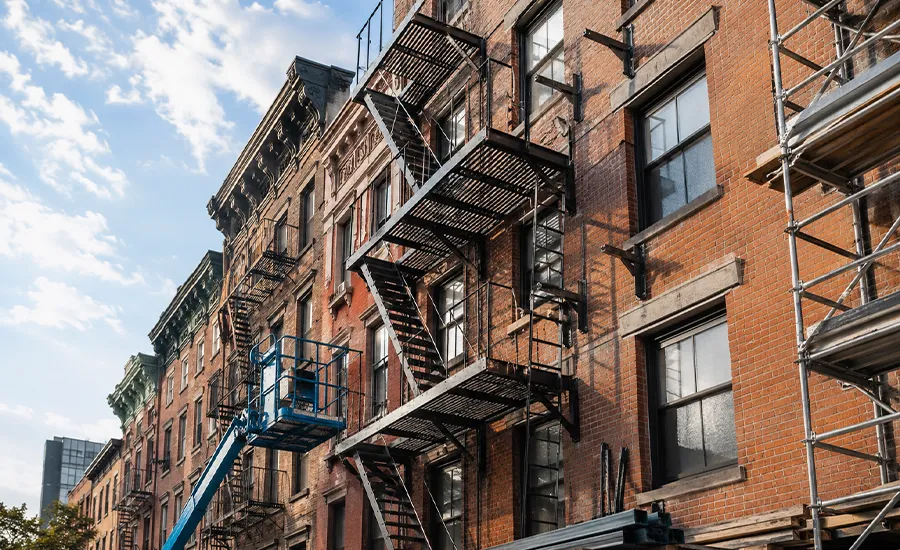
 ChatGPT
 Perplexity
 Google AI
 Claude
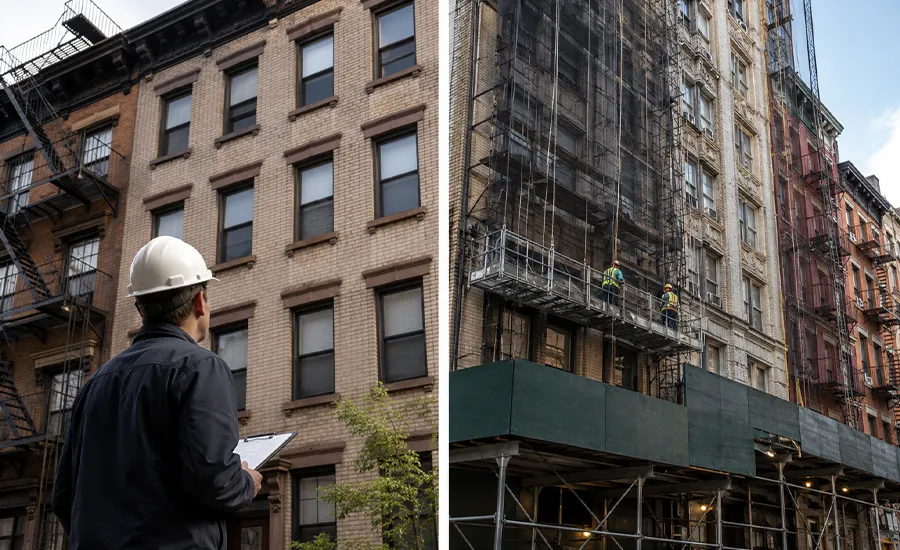
New York City has some of the strictest façade safety requirements in the country. For building owners, two of the most important laws are Local Law 10 and Local Law 11. Both were created to reduce the risk of falling façade materials, improve exterior wall safety, and protect pedestrians, residents, and neighboring properties.
Local Law 10 introduced periodic façade inspections in 1980. Local Law 11 later expanded those requirements in 1998 and is now part of the Façade Inspection & Safety Program, commonly known as FISP. Today, most NYC buildings higher than six stories must follow Local Law 11 requirements to remain compliant and safe.
For property owners, knowing the difference between Local Law 10 and Local Law 11 helps with inspection planning, façade maintenance, violation prevention, and long-term building protection.
- Ο Local Law 10 came into effect in 1980.
- Ο Local Law 11 replaced and expanded Local Law 10 in 1998.
- Ο Local Law 11 is now part of NYC’s Façade Inspection & Safety Program.
- Ο Buildings higher than six stories must follow periodic façade inspection rules.
- Ο Non-compliance can lead to DOB violations, penalties, and repair costs.
- Ο Regular façade maintenance helps reduce safety risks and expensive emergency repairs.
Why NYC Created Local Law 10 and Local Law 11
New York City has thousands of aging residential, commercial, and mixed-use buildings. Over time, weather exposure, moisture, freeze-thaw cycles, pollution, and poor maintenance can weaken masonry, brickwork, stone, parapet walls, lintels, balconies, and other exterior façade components.
Falling façade materials can:
- Put pedestrians and residents at risk
- Damage nearby buildings or public areas
- Lead to DOB violations and legal liability
- Create urgent and expensive repair needs
- Reduce the long-term value of the property
To reduce these risks, NYC introduced façade inspection laws that require periodic exterior wall evaluations for applicable buildings.
What Is Local Law 10?
Local Law 10 was introduced in 1980 to improve public safety by requiring periodic inspections of buildings taller than six stories. It focused mainly on visible exterior wall conditions and helped create the foundation for NYC’s façade safety rules. For owners comparing older requirements with today’s standards, a clear guide on how NYC’s current façade inspection law applies can help explain why Local Law 11 now matters more.
Under Local Law 10, property owners were required to:
- Arrange exterior wall inspections
- Hire qualified professionals for evaluations
- Identify hazardous façade conditions
- Submit inspection reports to the NYC Department of Buildings
- Repair dangerous conditions when required
At the time, Local Law 10 was an important step in improving building safety across New York City. However, its inspection scope had limitations, which later led to stronger requirements under Local Law 11.
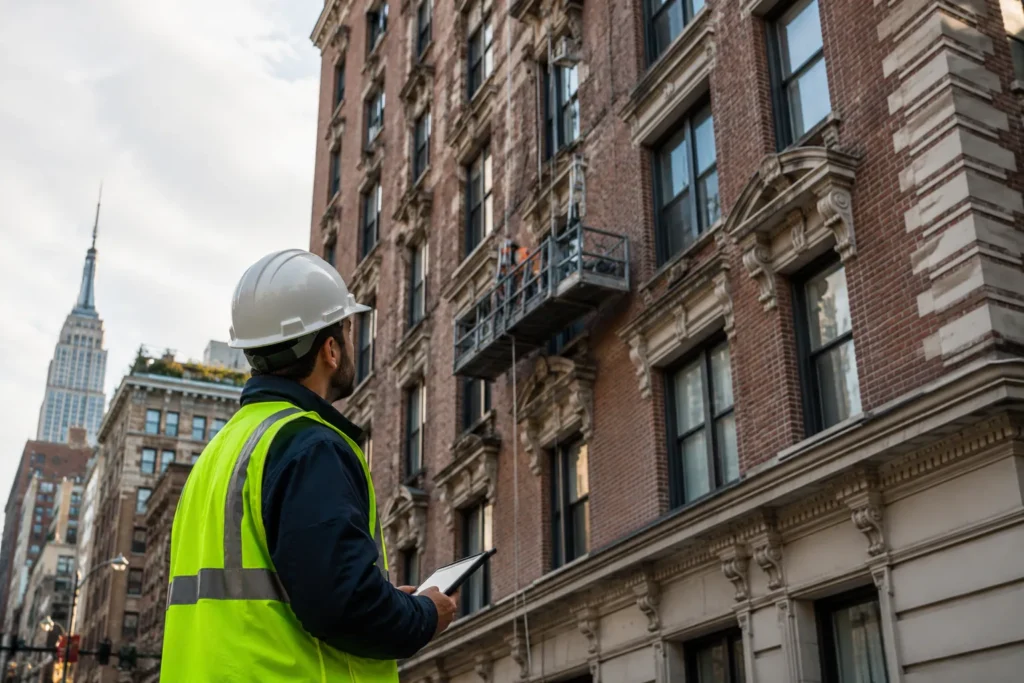
What Is Local Law 11?
Local Law 11 was introduced in 1998 to expand and strengthen the façade safety requirements created under Local Law 10. Today, Local Law 11 is enforced through the Façade Inspection & Safety Program, also known as FISP.
Local Law 11 requires more detailed exterior wall inspections, stricter reporting, and clearer condition classifications. It applies to most NYC buildings higher than six stories and requires inspection reports to be filed with the NYC Department of Buildings. Property owners who want to prepare before filing can benefit from knowing how the inspection process is handled in NYC, especially when planning access, repairs, and documentation.
The purpose of Local Law 11 is to:
- Improve public safety around buildings
- Detect hidden façade deterioration
- Reduce the risk of falling debris
- Encourage timely façade repairs
- Hold building owners accountable for exterior wall safety
For NYC property owners, Local Law 11 is not only a filing requirement. It is also a practical way to identify façade problems before they turn into unsafe conditions, costly violations, or emergency repairs. A professional façade inspection in NYC can help building owners understand existing exterior wall conditions before small defects become larger compliance issues.
Local Law 11 Inspection Classifications
One of the key differences between Local Law 10 and Local Law 11 is the condition classification system. After a Local Law 11 inspection, the building façade is classified as Safe, SWARMP, or Unsafe. These classifications are important because they help owners decide whether routine maintenance, planned repairs, or immediate corrective action is needed.
Safe Façade Condition
A Safe classification means the building exterior is stable and does not show conditions that require immediate repair.
A façade may be classified as Safe when:
- No hazardous exterior wall conditions are found
- Structural components appear stable
- No immediate repair or maintenance action is required
- The building continues to meet façade safety standards
Even with a Safe classification, property owners should continue routine maintenance. Minor issues can still develop between inspection cycles, especially on older masonry buildings in NYC. Knowing the difference between stable and hazardous façade conditions can help owners monitor their building more confidently between required inspections.
SWARMP Façade Condition
SWARMP stands for Safe With a Repair and Maintenance Program. This classification means the façade is safe at the time of inspection but has conditions that must be repaired or maintained before they become unsafe.
Common SWARMP conditions may include:
- Minor cracks in masonry or stucco
- Early mortar joint deterioration
- Small areas of water intrusion
- Localized brick or stone wear
- Early signs of parapet or coping deterioration
A SWARMP classification should not be ignored. These conditions may seem minor, but moisture, weather, and continued movement can make them worse over time. Timely facade crack repair in NYC can help prevent small cracks, water entry, and mortar deterioration from developing into unsafe façade issues.
Unsafe Façade Condition
An Unsafe classification means the façade has a condition that poses a risk to public safety. These issues require immediate attention, public protection where needed, and corrective work within the required timeline.
Unsafe conditions may include:
- Loose or falling masonry
- Severely cracked brickwork
- Failing parapet walls
- Unstable stone, concrete, or terra cotta elements
- Advanced façade deterioration near public areas
When a building is classified as Unsafe, property owners should act quickly. Delayed repairs can increase violation risk, repair costs, liability exposure, and safety concerns. Many unsafe outcomes begin with common façade issues found during inspections, which is why early repair planning is so important for older NYC buildings.
Benefits of Local Law 11 for NYC Property Owners
Local Law 11 compliance requires planning and investment, but it also gives property owners a clearer view of their building’s exterior condition. A proper façade inspection can reveal issues early and help avoid larger structural problems later.
Safety Benefits
- Helps protect pedestrians, residents, and workers
- Reduces the risk of falling façade materials
- Supports safer streets and neighboring properties
- Helps identify dangerous conditions before incidents occur
For buildings showing movement, cracking, water damage, or failing masonry, timely facade repair in NYC supports both public safety and long-term exterior wall performance.
Financial Benefits
- Finds repair needs before they become major projects
- Helps reduce emergency repair costs
- Protects long-term building value
- Supports better budgeting for exterior maintenance
Inspection and repair costs can vary based on building height, access needs, façade materials, and the severity of deterioration. Reviewing the main factors that affect Local Law 11 inspection and repair expenses can help owners plan ahead instead of reacting after a violation or unsafe finding.
Compliance and Management Benefits
- Helps property owners meet NYC DOB requirements
- Reduces the risk of façade-related violations
- Supports organized maintenance planning
- Gives owners clearer documentation of building conditions
For older NYC buildings, especially masonry, brick, stone, and mixed-material façades, regular inspection and repair planning can make a major difference in safety, compliance, and long-term durability. When deterioration affects larger exterior areas, professional facade restoration in NYC can help restore the building envelope while supporting DOB compliance goals.
Local Law 10 vs Local Law 11: Which Law Matters Today?
For today’s NYC property owners, Local Law 11 is the active façade safety standard that matters most. Local Law 10 created the original framework for exterior wall inspections, but Local Law 11 expanded the rules, improved reporting, and introduced stronger inspection classifications through FISP.
Local Law 11 matters because it applies to buildings higher than six stories and requires periodic façade inspections by qualified professionals. It also helps identify deterioration before it creates public safety risks, DOB violations, or costly emergency repairs. Many owners only realize the risk after learning why buildings fail Local Law 11 inspections, including neglected mortar joints, unstable parapets, cracks, moisture damage, and incomplete repairs.
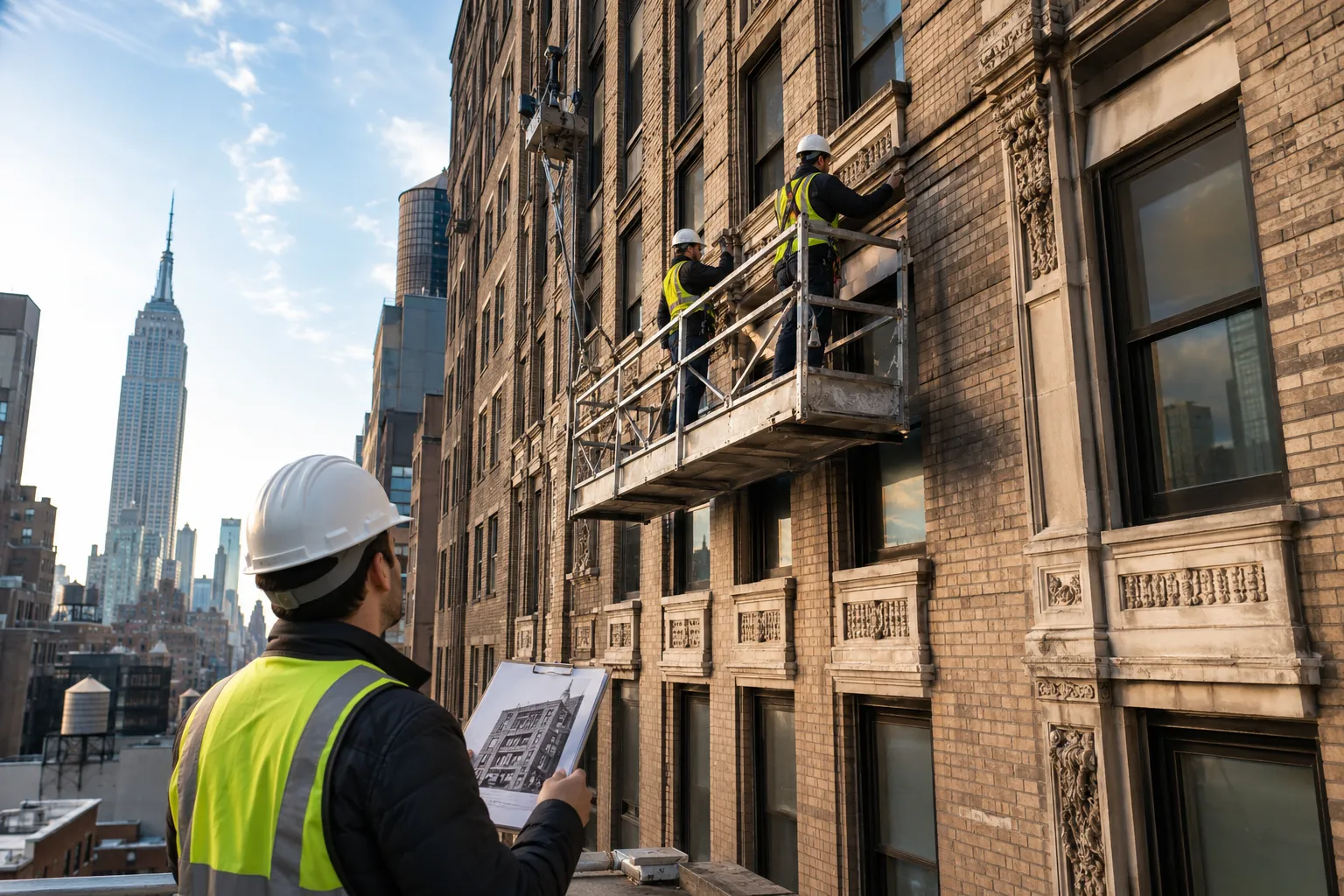
In simple terms, Local Law 10 started NYC’s façade inspection system, while Local Law 11 made that system more detailed, more accountable, and more focused on long-term building safety. For properties that need repair access, masonry correction, waterproofing, or exterior wall improvements, experienced facade work in NYC can help keep the building safer and better prepared for future inspection cycles.
Final Thoughts on Local Law 11 vs Local Law 10
Local Law 10 introduced an important safety standard for New York City buildings. Local Law 11 built on that foundation and created a stronger façade inspection and compliance process for property owners. For buildings higher than six stories, staying compliant with Local Law 11 helps protect public safety, reduce liability, and preserve the structure over time.
Sardar Restoration Corp supports residential and commercial property owners across NYC, including the Bronx, Manhattan, Brooklyn, Queens, Westchester, and surrounding areas. If your building has cracked brickwork, loose mortar, leaning masonry, water damage, or deteriorated façade components, working with a local law 11 contractor in NYC can help restore safety, improve durability, and reduce the risk of future repair costs. Property owners should also take timely façade repairs seriously, especially when exterior damage is visible before or after an inspection cycle.
For expert façade inspection support and repair solutions, call (+1) 917-355-8556, email sardarrestoration@gmail.com, or visit 2770 Fish Ave, Bronx, NY 10469, United States.
FAQs
What is the main difference between Local Law 10 and Local Law 11?
Local Law 10 introduced periodic façade inspections for NYC buildings higher than six stories. Local Law 11 expanded those requirements with more detailed inspections, stricter reporting, and clearer façade condition classifications under FISP.
Is Local Law 10 still in effect in New York City?
No. Local Law 10 was replaced and expanded by Local Law 11. Today, applicable NYC buildings must follow Local Law 11 and FISP requirements.
Which buildings must comply with Local Law 11?
Most residential, commercial, and mixed-use buildings in New York City that are higher than six stories must comply with Local Law 11 façade inspection requirements.
Who can perform a Local Law 11 inspection?
A Local Law 11 inspection must be performed by a Qualified Exterior Wall Inspector, also known as a QEWI. This is usually a licensed professional engineer or registered architect who meets NYC Department of Buildings requirements.
What are the three Local Law 11 inspection classifications?
The three Local Law 11 classifications are Safe, SWARMP, and Unsafe. These classifications show whether the façade is stable, needs future repair, or requires immediate corrective action.
What does SWARMP mean in Local Law 11?
SWARMP means Safe With a Repair and Maintenance Program. It means the façade is currently safe but has issues that must be repaired or maintained before they become unsafe.
Can small façade issues become major structural problems?
Yes. Small cracks, deteriorated mortar, water intrusion, and loose masonry can worsen over time. Early repair helps prevent larger structural damage, higher costs, and unsafe façade conditions.
Why is Local Law 11 important for NYC property owners?
Local Law 11 helps property owners keep their buildings compliant, identify façade deterioration early, reduce safety risks, and avoid costly DOB violations or emergency repairs.