 ChatGPT
 Perplexity
 Google AI
 Claude
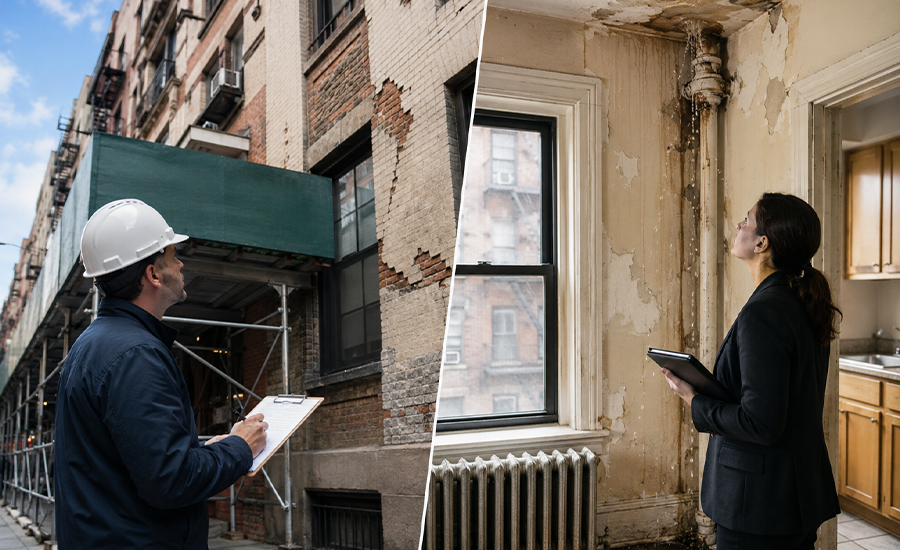
Property owners in New York City are responsible for keeping their buildings safe, compliant, and suitable for occupancy. Two of the most common enforcement issues NYC property owners face are DOB violations and HPD violations.
A DOB violation usually relates to building code, construction work, permits, structural safety, façade conditions, unsafe work, or occupancy issues. An HPD violation usually relates to residential housing conditions, tenant safety, heat, hot water, mold, pests, leaks, and habitability concerns.
Knowing the difference between DOB and HPD violations helps property owners respond quickly, avoid penalties, protect tenants, and keep buildings compliant.
- Ο DOB violations involve building code and structural safety.
- Ο HPD violations involve housing maintenance and tenant safety.
- Ο Both can lead to fines, inspections, and legal issues.
- Ο Open violations can delay sales, refinancing, and permits.
- Ο Timely repairs help prevent larger compliance problems.
What Is a DOB Violation in NYC?
A DOB violation is issued by the New York City Department of Buildings when a property, construction activity, or building condition does not meet NYC building code, permit, safety, or occupancy requirements.
DOB violations are commonly connected to construction work, structural issues, unsafe exterior conditions, or work performed without proper approval. Property owners dealing with open DOB issues may need professional help with DOB violation removal in NYC, especially when the violation involves masonry, façade defects, unsafe exterior walls, or unpermitted repair work.
What the NYC Department of Buildings Covers
The NYC Department of Buildings generally handles matters related to:
- Construction work
- Building permits
- Structural safety
- Façade safety
- Plumbing and mechanical code compliance
- Building occupancy
- Site safety
- Stop work orders
- Unsafe building conditions
Common Reasons for DOB Violations
Property owners may receive a DOB violation for:
- Work without a permit
- Illegal building alterations
- Unsafe façade conditions
- Cracked or unstable masonry
- Neglected exterior wall maintenance
- Unsafe scaffolding or sidewalk sheds
- Non-compliant plumbing or mechanical systems
- Illegal occupancy or converted units
- Failure to comply with Local Law inspections
For example, if a building owner completes apartment renovations without required permits or allows unsafe façade conditions to remain unresolved, the DOB may issue violations, penalties, or a stop-work order. Many of these issues are also covered in common building conditions that trigger DOB enforcement, which can help owners understand why violations are issued in the first place.
What Is an HPD Violation in NYC?
An HPD violation is issued by the New York City Department of Housing Preservation and Development when a residential property fails to meet housing maintenance, tenant safety, or habitability standards.
HPD violations are usually tied to occupied residential buildings, especially when tenants report unsafe or unhealthy living conditions. If the issue involves leaks, mold, damaged entry points, unsafe stairways, or other repair-related conditions, owners may need qualified support for HPD violation removal in NYC to correct the problem and move toward compliance.
Common Reasons for HPD Violations
HPD violations are often issued for:
- Lack of heat or hot water
- Mold or moisture damage
- Pest infestations
- Water leaks
- Peeling paint or lead paint hazards
- Faulty smoke or carbon monoxide detectors
- Broken doors, locks, or entry points
- Plumbing defects
- Unsafe stairways
- Unsanitary conditions
- Interior fire safety issues
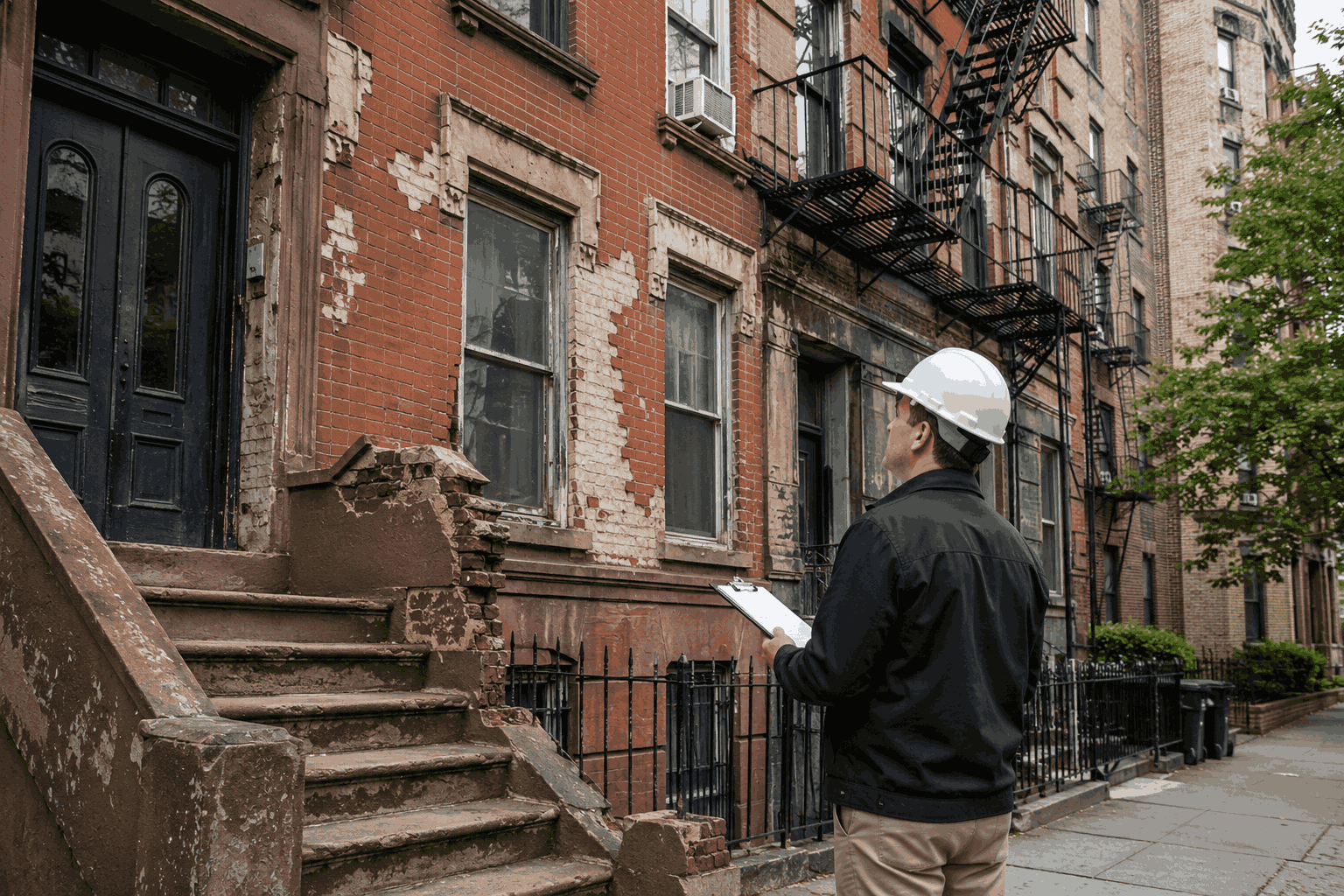
For example, if tenants report no heat during winter, repeated leaks, mold growth, or pest activity, HPD may inspect the property and issue violations against the owner. Moisture-related problems can also create long-term building damage, especially when water reaches masonry, walls, ceilings, or interior finishes. Property owners can learn more about how moisture damage weakens NYC buildings over time before small leaks turn into larger repair concerns.
DOB vs HPD Violations: Main Differences in NYC
The main difference between DOB and HPD violations is the type of issue and the agency responsible for enforcement. DOB focuses on building code, permits, structural safety, and construction compliance. HPD focuses on housing maintenance, tenant protection, and residential living conditions.
| NYC DOB Violation Issues | NYC HPD Violation Issues |
|---|---|
| Issued by the NYC Department of Buildings | Issued by NYC Housing Preservation and Development |
| Related to construction, permits, structure, façade safety, and occupancy | Related to housing maintenance, tenant safety, and habitability |
| Common in renovation, exterior restoration, and unsafe structure cases | Common in occupied residential buildings and tenant complaints |
| Can lead to OATH summonses, penalties, and stop work orders | Can lead to repair orders, fines, housing court issues, and emergency repair charges |
| Can affect building permits and active construction timelines | Can affect tenants, landlord duties, and residential compliance |
| Requires correction, proof, and agency clearance | Requires repair, certification, and HPD record clearance |
Common Types of DOB Violations in NYC
DOB violations vary based on the safety risk, code issue, and type of work involved.
OATH Summonses
Many DOB enforcement matters are handled through OATH summonses. These may involve building code violations, unsafe conditions, work without permits, or failure to meet DOB requirements.
Common examples include:
- Illegal construction
- Unsafe exterior wall or façade conditions
- Failure to file required permits
- Work that does not match approved plans
- Unsafe scaffolding or sidewalk shed conditions
When DOB violations involve exterior walls, cracks, loose masonry, or unstable building components, owners should also watch for early signs of façade structural damage. Addressing these warning signs early can reduce the risk of unsafe conditions and larger restoration work.
DOB Civil Penalties
DOB civil penalties may apply when owners fail to correct violations, perform work without required permits, or continue non-compliant activity.
Civil penalties can become more difficult to manage when owners delay repairs or rely on temporary fixes. In many cases, the bigger risk is not just the fine itself, but what can happen when building violations remain unresolved and continue affecting property records, permits, or tenant safety.
Stop Work Orders
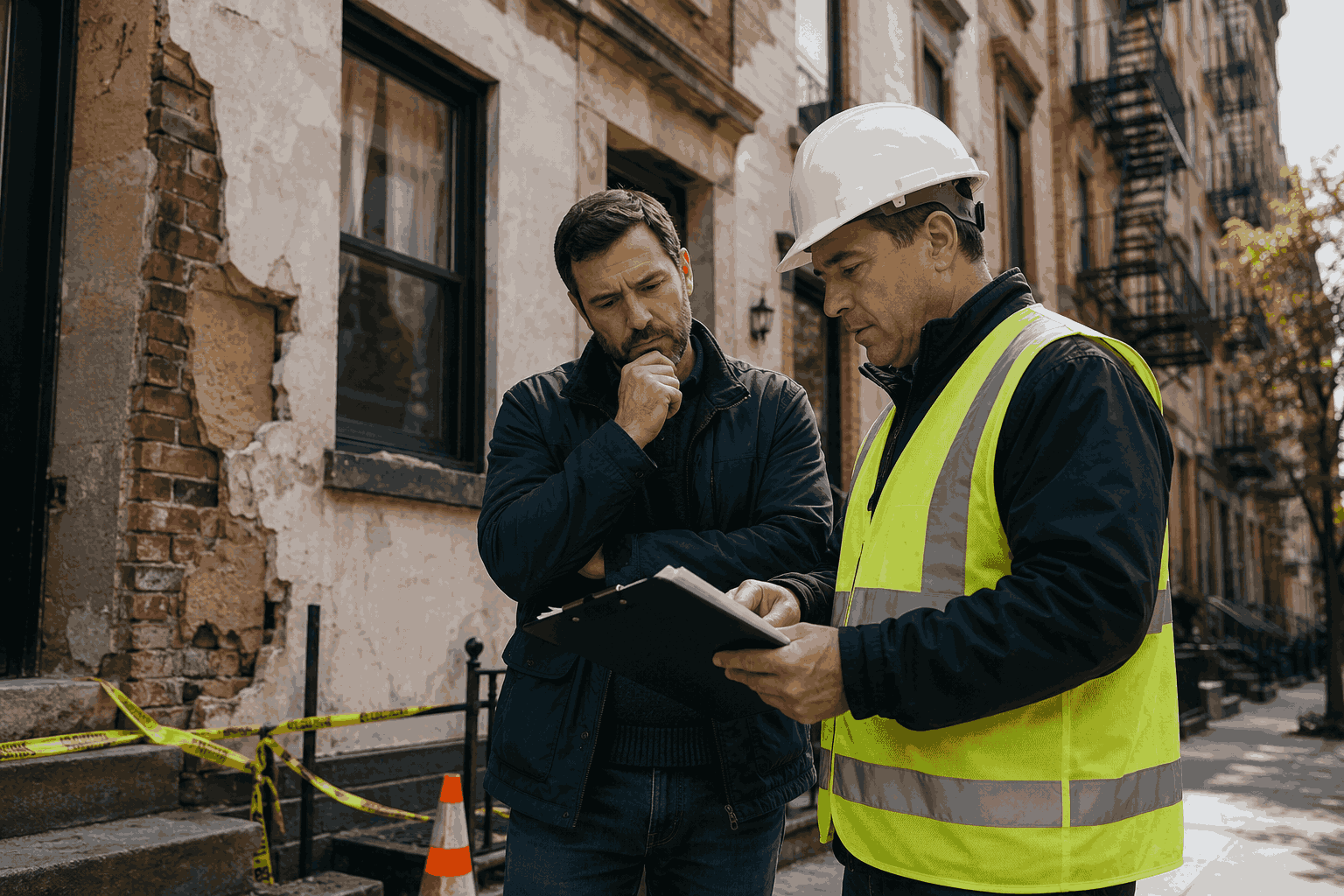
A Stop Work Order can stop construction or repair activity until the violating condition is corrected and the order is lifted. This can delay projects, increase labor costs, and affect contractor schedules.
For NYC building owners, stop work orders are especially serious during façade repair, masonry restoration, waterproofing, roofing, or structural rehabilitation projects.
Common Types of HPD Violations in NYC
HPD classifies many housing maintenance violations by severity.
Class A HPD Violations
Class A violations are considered non-hazardous. These usually involve lower-risk maintenance issues, but owners still need to correct them within the required timeframe.
Examples may include:
- Minor repair issues
- Worn finishes
- Low-risk maintenance defects
Class B HPD Violations
Class B violations are hazardous and require faster correction.
Examples may include:
- Water leaks
- Pest problems
- Damaged building components
- Conditions affecting safe residential use
Class C HPD Violations
Class C violations are immediately hazardous and require urgent attention.
Examples may include:
- No heat or hot water
- Lead-based paint hazards
- Serious mold conditions
- Missing or defective self-closing doors
- Fire safety issues
- Unsafe conditions affecting tenant health or safety
Class C violations can create major legal and financial problems if ignored.
How DOB and HPD Violations Affect NYC Property Owners
Open violations can create problems beyond the repair itself. For property owners in the Bronx, Brooklyn, Queens, Manhattan, Staten Island, and nearby NYC areas, unresolved violations may affect operations, property value, and future approvals.
Financial Penalties and Repair Costs
Violations can lead to fines, filing fees, emergency repairs, and added contractor costs. The longer a violation remains open, the more expensive it may become to resolve.
Delayed Property Sales and Refinancing
Open DOB or HPD violations can delay property sales, refinancing, insurance approvals, building permits, renovation plans, and closing documents.
Buyers, lenders, attorneys, and title companies often review violation records before a transaction moves forward. This is why owners should avoid common violation repair mistakes that increase compliance delays, such as incomplete repairs, missing documentation, or hiring the wrong contractor for the scope of work.
Legal and Compliance Issues
HPD violations may lead to housing court matters, especially when tenant complaints remain unresolved. DOB violations may lead to hearings, penalties, stop-work orders, or additional enforcement actions.
Repeated violations can also create added risk when owners fail to address the root cause. For example, chimney movement, cracked masonry, or unstable exterior features may seem isolated at first, but chimney structural damage can create serious safety risks if left untreated.
Tenant Complaints and Reputation Risk
Repeated violations can damage a building’s reputation with tenants, investors, managing agents, and city agencies. A poorly maintained property may also attract more inspections and complaints over time.
When DOB and HPD Violations Overlap
Some building problems can trigger both DOB and HPD concerns. This usually happens when a structural or exterior issue also affects the tenant’s living conditions.
Examples include:
- A damaged ceiling caused by structural movement
- Water intrusion leading to interior mold
- Unsafe façade conditions affecting occupied apartments
- Illegal apartment conversions are creating unsafe occupancy
- Masonry cracks causing leaks inside residential units
For exterior issues, property owners should understand the difference between safe and unsafe façade conditions in NYC, especially when cracks, loose bricks, bulging walls, or water damage begin affecting occupied areas.
In these cases, property owners should not treat the issue as a small repair. The building may need inspection, proper documentation, code-compliant repair work, and follow-up clearance with the correct agency.
How to Resolve DOB and HPD Violations in NYC
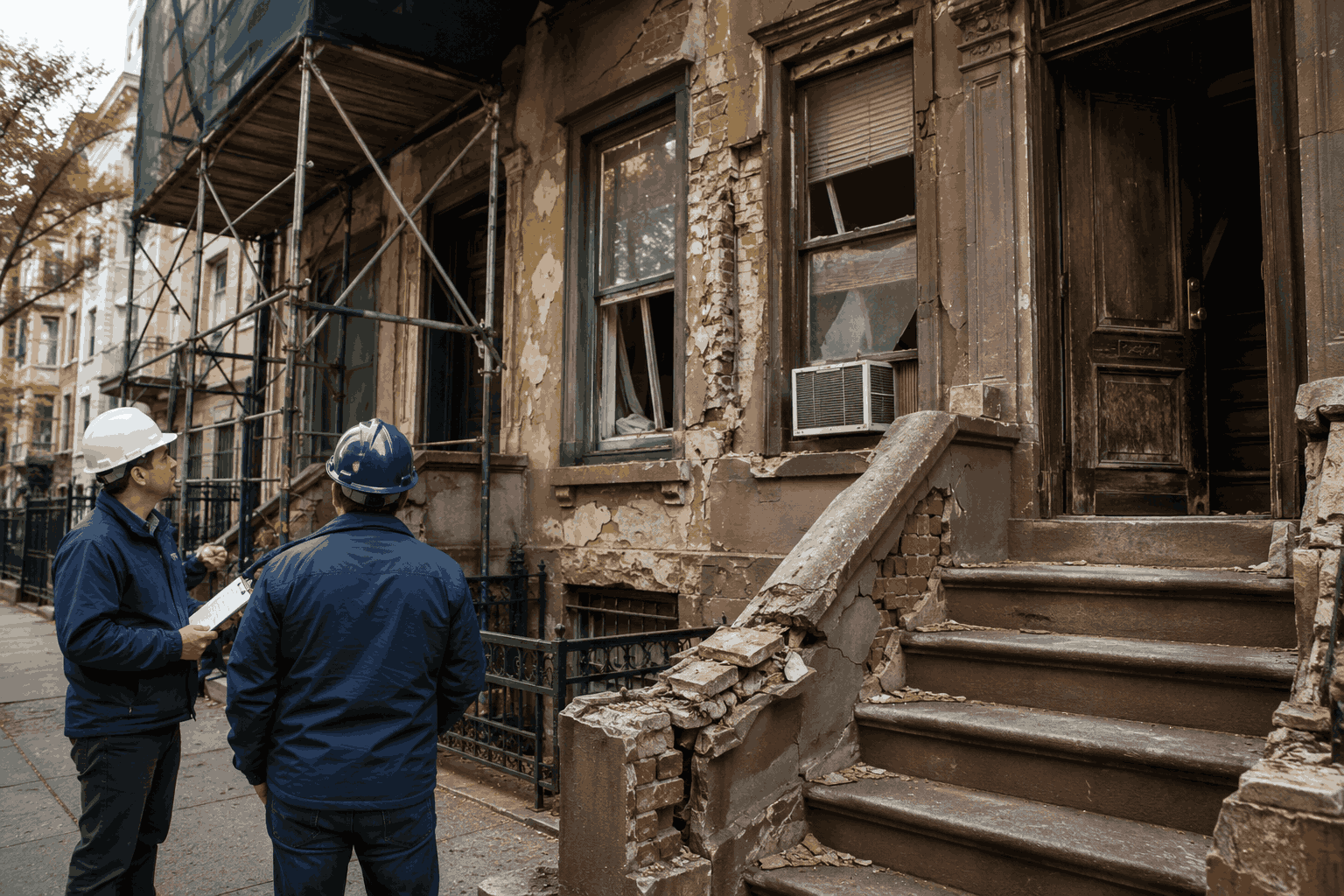
The exact process depends on the violation type, the agency involved, and the condition of the property. In most cases, owners should follow a clear compliance process.
Step 1: Review the Violation Record
Check the violation details, issuing agency, property address, violation class, inspection notes, and correction requirements. NYC DOB records and HPD Online can help owners review open violations and related property details.
Step 2: Inspect the Property
A qualified contractor should inspect the affected area to identify the cause of the violation, not just the visible damage. This is especially important for façade, masonry, waterproofing, roofing, and structural issues.
For masonry-related violations, it is important to work with a contractor who understands brick, mortar, stone, parapet walls, and exterior restoration. Property owners unsure about the right trade can review what a qualified masonry restoration contractor handles before starting repairs.
Step 3: Complete Code-Compliant Repairs
Repairs should be completed using proper materials, safe methods, and applicable NYC code requirements. Temporary patching may not be enough if the issue is structural, recurring, or moisture-related.
Some buildings may also require specialized handling, especially if the property is historic, architecturally sensitive, or located in a landmark area. In those cases, owners should understand how landmark restoration differs from standard building repair before moving forward.
Step 4: Prepare Proof of Correction
Owners may need photos, contractor documentation, permits, inspection reports, certificates of correction, or other required paperwork.
Step 5: Submit Required Documents and Follow Up
After repairs are complete, the required correction documents should be submitted to the proper agency. Owners should continue checking records until the violation is officially cleared.
Final Thoughts
DOB and HPD violations should be handled quickly to protect building safety, tenant comfort, and property value. Whether the issue involves structural damage, façade concerns, leaks, mold, or unsafe exterior conditions, timely repairs and proper documentation can help prevent larger compliance problems.
Sardar Restoration Corp supports residential and commercial property owners across NYC, including the Bronx, Manhattan, Brooklyn, Westchester, Queens, and nearby areas. If you are dealing with cracked bricks, leaning masonry, façade damage, water intrusion, unsafe exterior conditions, or open violation issues, working with a professional violation contractor in NYC can help restore safety, complete the required repairs, and reduce the risk of larger problems.
For expert inspection and repair support, call (+1) 917-355-8556, email sardarrestoration@gmail.com, or visit 2770 Fish Ave, Bronx, NY 10469, United States.
FAQs About DOB and HPD Violations in NYC
Can a NYC property have both DOB and HPD violations at the same time?
Yes. A single building issue can sometimes create both DOB and HPD violations. For example, water intrusion from exterior masonry damage may involve building safety concerns and unsafe residential living conditions.
Are DOB violations more serious than HPD violations?
Not always. The seriousness depends on the condition, violation class, safety risk, and how long the issue remains unresolved. A stop-work order from DOB and a Class C violation from HPD can both create urgent problems for property owners.
Can open violations delay a property sale in NYC?
Yes. Open violations can delay sales, refinancing, insurance approvals, and permit applications. Buyers and lenders often review DOB and HPD records before closing.
How can NYC property owners check for DOB or HPD violations?
Property owners can review DOB-related records through NYC Department of Buildings systems and HPD-related records through HPD Online. They can also confirm details with their attorney, property manager, or contractor before starting repair work.
Who is responsible for correcting DOB and HPD violations?
The property owner is generally responsible for correcting violations. Depending on the issue, the owner may need a licensed contractor, registered design professional, engineer, plumber, electrician, or other qualified professional.
Can HPD violations lead to housing court?
Yes. HPD violations can lead to housing court matters, especially when tenant complaints, unsafe conditions, or repeated failures to correct violations are involved.
Can DOB violations lead to a stop-work order?
Yes. DOB may issue a stop-work order when construction or repair activity is unsafe, unpermitted, or not compliant with approved requirements. Work should not resume until the order is properly resolved.
What is the fastest way to prevent violation issues from getting worse?
The best approach is to inspect the condition early, hire the right contractor, complete proper repairs, keep documentation, and follow the agency’s correction process until the violation is cleared.