
 ChatGPT
 Perplexity
 Google AI
 Claude
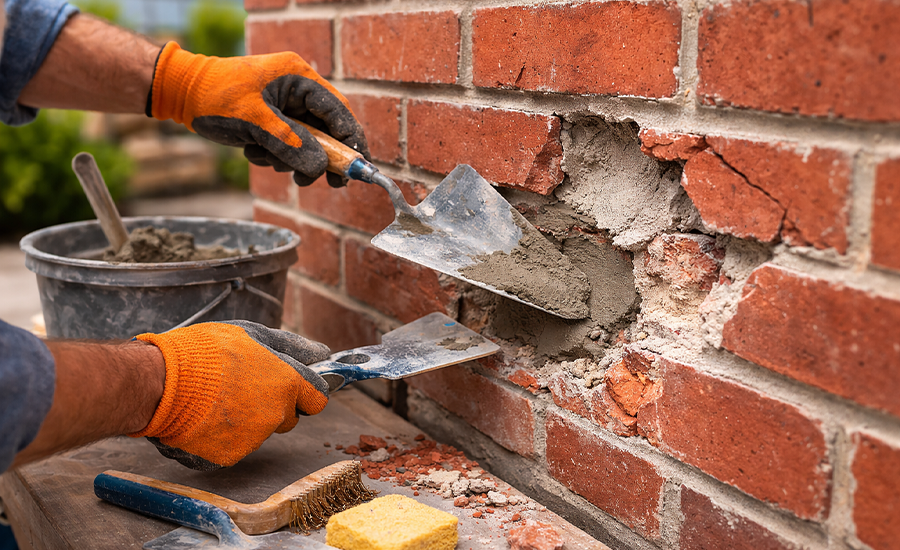
Brick spalling is a common masonry problem seen on the exterior walls of many residential and commercial buildings in NYC. It occurs when moisture enters the brick’s surface, weakening the outer layer of the material. Over time, the brick face may crack, peel, or flake, allowing further moisture penetration and gradual structural deterioration.
If the issue is not addressed early, spalling can progressively affect the stability and durability of the masonry system. This guide explains what brick spalling is, how to recognize early warning signs, the repair methods commonly used, how long repairs typically last, and the mistakes to avoid during restoration.
- Ο Brick spalling typically occurs when moisture becomes trapped inside masonry.
- Ο Flaking surfaces, cracked brick faces, and bulging walls are common early warning signs.
- Ο Timely repairs and routine maintenance help prevent serious structural deterioration.
- Ο Minor spalling can often be repaired with patching or repointing.
- Ο Severely damaged bricks may require full replacement.
- Ο Using compatible mortar and allowing proper curing time improves repair durability.
What Is Spalling Brick?
Spalling brick refers to the deterioration of a brick’s outer surface caused by moisture exposure and environmental conditions. When water penetrates masonry and temperatures fluctuate, the outer brick surface gradually weakens and begins to break away.
In many masonry buildings, spalling first appears as small flakes or surface damage but can progress to deeper structural deterioration if the underlying moisture issue is not corrected.
Common signs of brick spalling include:
- Surface peeling or flaking on brick faces
- Chipped or broken brick corners
- Cracks appearing across brick surfaces
- Loose fragments of brick falling away
- Moisture penetration inside the wall system
- White powdery salt deposits (efflorescence) on brick surfaces
Signs of Brick Spalling
Brick spalling usually develops gradually rather than appearing suddenly. In most masonry structures, damage begins as moisture gradually affects brick surfaces and mortar joints. Recognizing early warning signs can help prevent larger structural problems and reduce repair costs. Learning to identify common signs that a brick wall needs repair can help property owners address masonry issues before the damage becomes more serious.
The following visible signs often indicate that brick spalling has started:
- Brick surfaces are beginning to flake or peel
- Small pieces of brick are breaking away from the surface
- Fine cracks are developing across brick faces
- Sections of brick walls are becoming uneven or bulging
- Damp patches forming on exterior masonry walls
- White powdery salt deposits appearing on brick surfaces
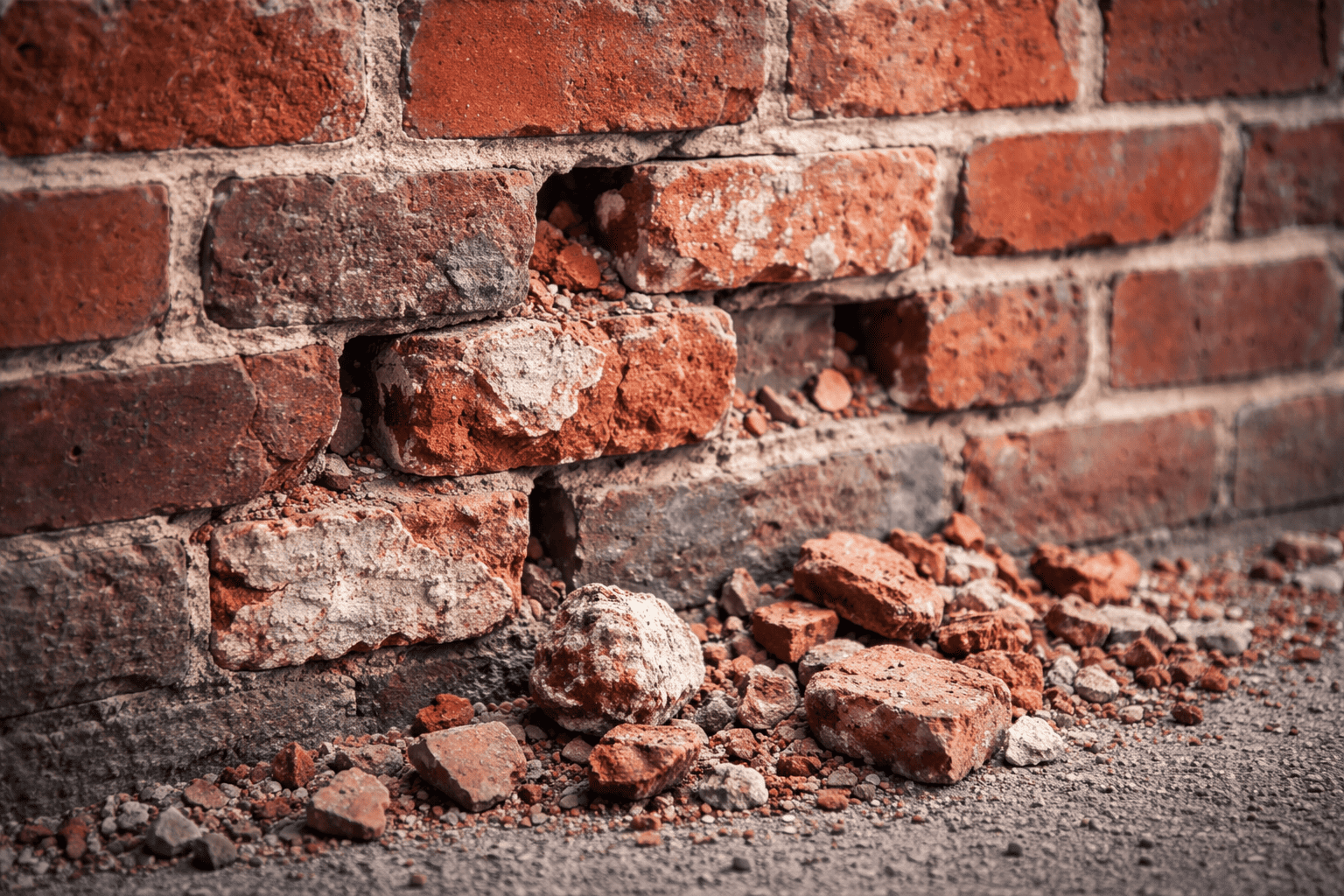
In many NYC buildings, these signs often appear on exterior walls exposed to rain, freeze–thaw cycles, and trapped moisture. Early inspection helps determine whether the damage requires simple repairs or more extensive masonry restoration.
Common Causes of Brick Spalling
Brick spalling usually develops when moisture penetrates the masonry system, gradually weakening brick surfaces and mortar joints. Environmental exposure, material quality, and construction practices all influence how quickly deterioration appears in a building’s brickwork.
The table below highlights the most common factors that contribute to brick spalling.
| Factors | How It Affects Masonry | Degree of Damage |
|---|---|---|
| Freeze–thaw cycle | Water trapped in bricks expands during freezing temperatures | High |
| Poor drainage | Continuous dampness keeps masonry saturated | High |
| Weak or incompatible mortar | Hard mortar traps moisture inside bricks | Moderate |
| Porous or low-density bricks | Absorb water more quickly than dense bricks | Moderate |
| Failed waterproofing | Damaged sealants allow moisture to penetrate walls | High |
When moisture repeatedly enters brickwork, it slowly weakens the masonry structure from within. Temperature fluctuations, trapped moisture, and inadequate drainage accelerate deterioration. Addressing these underlying conditions is essential to prevent long-term damage and repeated masonry repairs.
How to Repair Spalling Brick
Repairing spalling brick depends on the extent of the masonry’s deterioration. Minor surface damage can be corrected with patching, while deeper deterioration may require repointing or full brick replacement. Properly assessing the extent of the damage ensures that the chosen repair method restores both the wall’s structural integrity and appearance. In many cases, property owners must decide between brick repair and brick replacement before beginning restoration work.
The following repair methods are commonly used in professional masonry restoration.
Method 1: Surface Patching
Surface patching is typically used when spalling is limited to shallow surface deterioration and the brick remains structurally sound.
- Remove loose brick fragments with a wire brush
- Clean the damaged area to remove dust and debris
- Apply a bonding agent to improve adhesion
- Fill the affected surface with a masonry repair compound
- Smooth the patch to blend with the surrounding brickwork
- Allow the repair to cure for 24–48 hours
- Apply a breathable waterproof sealant if needed
Method 2: Repointing Mortar Joints
When moisture enters deteriorated mortar joints, repointing is required to restore the protective barrier between bricks and prevent further moisture penetration. This process helps repair damaged brick mortar joints and restore the strength and stability of the masonry wall.
- Remove damaged mortar from the joints
- Brush the joints thoroughly to remove debris
- Lightly dampen the area before applying new mortar
- Refill joints with compatible mortar
- Tool the mortar to match the existing masonry profile
- Allow adequate curing time for strength and durability
Method 3: Brick Replacement
If bricks are severely cracked, crumbling, or structurally weakened, replacing the damaged units becomes the most reliable solution.
Brick replacement is typically required when:
- Brick faces have detached or severely flaked
- Structural cracks extend through the brick
- Bricks crumble when pressure is applied
- Spalling has spread across larger wall sections
Typical brick replacement steps include:
- Carefully remove the damaged brick
- Clear old mortar from the surrounding cavity
- Apply fresh mortar at the base of the opening
- Insert a matching replacement brick
- Apply mortar to the surrounding joints
- Tool joints to align with the existing masonry pattern
- Allow mortar to cure before exposure to moisture
When to Call a Masonry Contractor
Minor brick spalling can sometimes be addressed with small surface repairs, but in certain situations, a professional masonry evaluation is required. Some structural damage may not be visible on the surface, and attempting repairs without proper inspection can allow moisture deterioration to continue inside the wall system.
Professional assessment becomes important when damage begins to affect structural stability or spreads across larger sections of the wall. A qualified masonry contractor can determine whether the issue involves brick deterioration, mortar failure, drainage problems, or hidden moisture penetration within the building envelope.
Situations where professional masonry inspection is recommended include:
- Cracks are developing across multiple bricks
- Large sections of brick faces are breaking away
- Walls showing bulging or shifting areas
- Moisture repeatedly penetrates masonry walls
- Mortar joints are deteriorating across wide sections
In such situations, a qualified masonry contractor can identify the underlying cause of deterioration and recommend appropriate restoration methods to ensure the brickwork remains stable and durable.
How To Prevent Brick Spalling
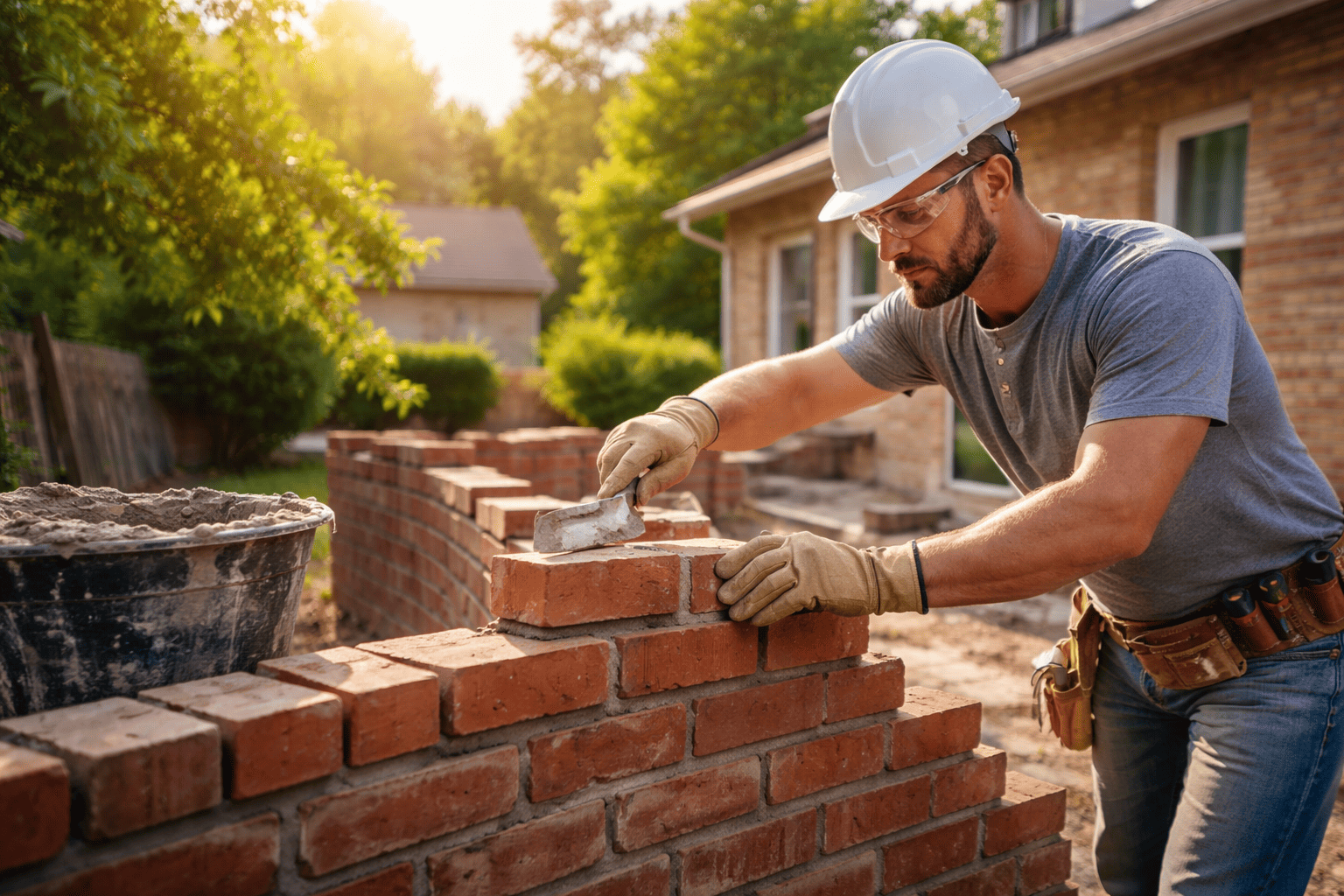
Preventing brick spalling mainly involves controlling moisture exposure within masonry walls. When water repeatedly enters brickwork and remains trapped inside the material, the outer surface gradually weakens and begins to break apart. Regular maintenance and early attention to minor masonry issues can significantly reduce the risk of spalling. Property owners in colder climates can also benefit from following winter brick maintenance and repair tips to protect masonry surfaces from freeze–thaw damage.
To reduce the risk of brick spalling and long-term masonry deterioration, property owners should follow these maintenance practices.
Maintain Proper Drainage Around the Building
Water accumulation near exterior walls increases the likelihood of moisture penetration. Ensuring that the surrounding ground surfaces slope away from the structure helps keep masonry walls dry.
Keep Gutters and Downspouts Clear
Blocked drainage systems allow rainwater to run directly over brick surfaces, increasing moisture absorption and accelerating masonry deterioration.
Inspect Mortar Joints Regularly
Mortar joints act as a protective barrier between bricks. When these joints crack or deteriorate, moisture can easily enter the masonry system.
Repair Minor Cracks Early
Small cracks in bricks or mortar may appear harmless, but they can gradually allow moisture to penetrate deeper into the wall structure.
Maintain Flashing and Waterproofing Systems
Properly installed flashing around roofs, windows, and wall openings prevents water from entering concealed areas of the masonry structure.
Consistent inspection and maintenance of these elements help protect brickwork from prolonged moisture exposure and significantly reduce the risk of spalling over time.
What Mistakes Should Be Avoided During Spalling Repairs?
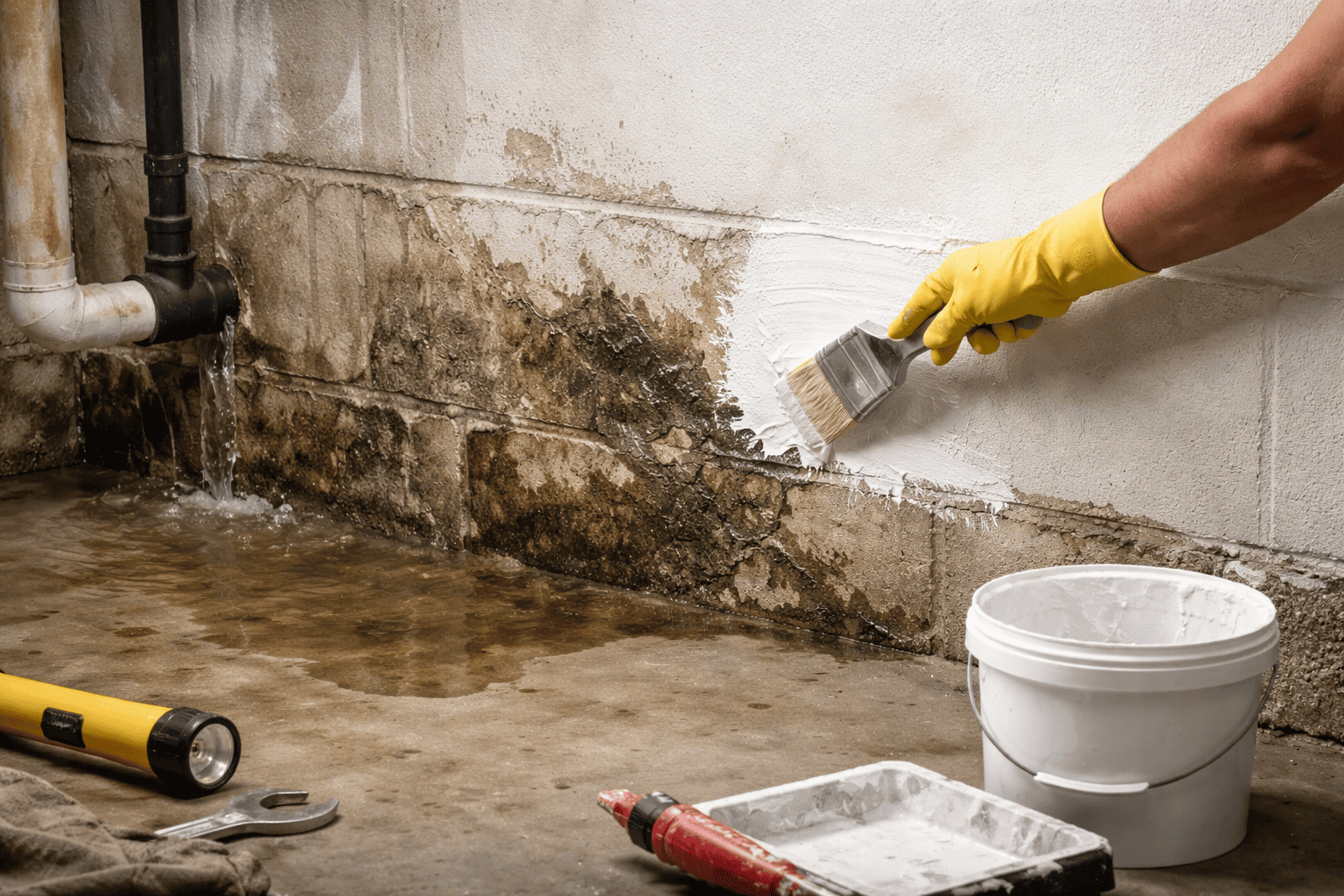
Repairing spalling brick requires proper preparation and the use of compatible masonry materials. When repairs are rushed or carried out incorrectly, the underlying moisture problem may remain unresolved, allowing the brick surface to deteriorate again. In some cases, poor repair practices can also lead to structural concerns or building code violations.
One common mistake is attempting to seal the surface without identifying the source of moisture intrusion. If the root cause is not addressed, the repaired area may quickly deteriorate again.
During spalling repairs, the following mistakes should be avoided:
- Using hard cement mortar on older brickwork – Older bricks expand and contract differently. Hard mortar can trap moisture and accelerate brick deterioration.
- Ignoring underlying moisture sources – Leaks, drainage problems, or damaged flashing may continue to allow water to enter the masonry system.
- Sealing bricks before proper drying – Applying sealants to damp masonry can trap moisture inside the brick.
- Using unmatched replacement bricks – Bricks with different densities or absorption rates may weather unevenly over time.
- Skipping proper curing time – Mortar must cure gradually to achieve full strength and long-term durability.
Avoiding these mistakes ensures that the repair work addresses both the visible damage and the underlying causes of masonry deterioration. Following proper preparation methods and using compatible materials are essential to applying effective brick wall repair techniques that protect the structure from recurring damage.
How Long Do Spalling Brick Repairs Last?
The lifespan of repaired brickwork mainly depends on the repair method used and whether the underlying cause of spalling has been fully addressed. When compatible materials and correct masonry techniques are applied, repairs can remain effective for many years.
Environmental exposure, moisture conditions, and regular building maintenance also influence how long repaired masonry continues to perform effectively.
| Type of Repair | Predicted Lifespan |
|---|---|
| Surface patching | 3–7 years |
| Mortar joint repointing | 20–30 years |
| Full brick replacement | 40+ years |
Surface patching is typically a temporary repair used to restore the appearance of damaged brick faces. Repointing mortar joints generally provides a much longer service life because it restores the protective barrier that prevents moisture intrusion.
When severely damaged bricks are replaced, and the surrounding masonry is correctly restored, the repaired section can remain stable for several decades. Regular inspections and proper maintenance help ensure repaired masonry continues to perform reliably over time.
How Much Does Spalling Brick Repair Cost in NYC?
The cost of repairing spalling brick in NYC can vary depending on the extent of the damage, the required repair method, and the accessibility of the affected wall. Minor surface repairs generally cost less, while larger restoration projects involving brick replacement or structural masonry work require more materials, labor, and time.
Several factors influence repair costs, including the number of damaged bricks, the condition of mortar joints, moisture exposure, and the height of the building façade. In many NYC buildings, repairs performed at higher elevations may require scaffolding or façade access systems, which can increase overall project costs.
Below is a general overview of common repair costs associated with spalling brick restoration.
| Type of Repair | Typical Cost Range (NYC) |
|---|---|
| Surface patching | $20 – $40 per sq. ft. |
| Mortar joint repointing | $15 – $35 per sq. ft. |
| Brick replacement | $50 – $120 per brick |
| Larger masonry restoration areas | $2,000 – $10,000+ depending on scope |
For many residential and commercial properties, early repairs remain significantly more affordable than large-scale façade restoration. Addressing spalling at an early stage helps prevent moisture from spreading deeper into the masonry structure, which can otherwise lead to more complex and costly repairs.
Because every masonry structure has different exposure conditions and structural requirements, a professional inspection is usually necessary to determine the exact repair scope and cost. This also highlights the importance of choosing a qualified masonry contractor who understands proper restoration techniques and local building requirements.
Final Thoughts on Repairing Spalling Brick
Brick spalling is often an early warning sign that moisture is affecting a masonry wall. What may begin as minor flaking or surface damage can gradually develop into deeper deterioration within the wall structure. Identifying warning signs early and choosing the appropriate repair method helps preserve the appearance and structural integrity of the brickwork.
Regular inspections, proper moisture control, and timely repairs are essential to maintaining the long-term durability of residential and commercial brick buildings. When restoration work is performed using compatible materials and proper techniques, repaired brickwork can remain stable and functional for many years.
Sardar Restoration Corp provides professional brick and façade restoration services for residential and commercial properties throughout NYC, including The Bronx, Manhattan, Brooklyn, Westchester, and Queens. As an experienced brickwork contractor in NYC, the company carefully evaluates each project based on structural conditions, environmental exposure, and building requirements to ensure dependable and long-lasting results.
For professional brick repair consultation or a detailed inspection, call (+1) 917-355-8556, email sardarrestoration@gmail.com, or visit 2770 Fish Ave, Bronx, NY 10469, United States.
FAQs
Is spalling brick dangerous?
Yes. Brick spalling can become dangerous if left unchecked. As the brick surface deteriorates, masonry pieces may loosen, and moisture can weaken the wall structure over time.
Can spalling brick be repaired without replacement?
Yes, minor spalling can often be repaired without replacing the brick. Surface patching or repointing may restore the damaged area if the brick remains structurally stable.
Does waterproofing stop brick spalling?
Waterproofing can help reduce spalling, but only if the underlying moisture issue is resolved first. If water continues to enter the masonry, the damage may return.
How long does brick repair usually take?
Small brick repairs can often be completed within one or two days. Larger restoration projects may take longer depending on the size of the damaged area.
Can I paint over spalling brick?
No, painting over spalling brick is not recommended. Paint can trap moisture within the masonry, potentially accelerating the brick’s further deterioration.
What happens if brick spalling is ignored?
Ignoring spalling allows moisture damage to spread within the masonry. Over time, bricks may crack further, mortar joints weaken, and larger repairs may become necessary.
What causes brick spalling in masonry walls?
Brick spalling is usually caused by moisture entering the masonry system. Freeze–thaw cycles, deteriorated mortar joints, poor drainage, and porous bricks can all contribute to this damage. Similar problems can also appear in interior masonry features such as fireplaces, where repairing cracked fireplace bricks may be necessary to prevent further deterioration.
Can brick spalling spread to other areas of the wall?
Yes, spalling can spread if the moisture source is not resolved. Water that enters one section of the wall may gradually affect nearby bricks and mortar joints.
When should a masonry contractor inspect spalling brick?
A contractor should inspect the wall when bricks are deeply cracked, crumbling, or when spalling appears across large sections. Professional evaluation helps identify underlying structural or moisture issues.