 ChatGPT
 Perplexity
 Google AI
 Claude
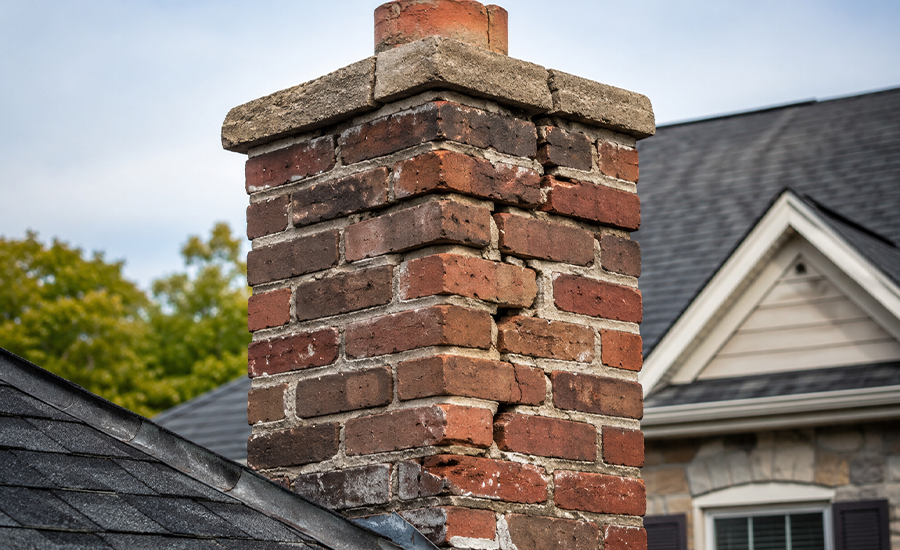
Your chimney faces constant exposure to rain, wind, heat, moisture, snow, and freeze-thaw cycles. Over time, these conditions can weaken mortar joints, loosen bricks, and damage the overall chimney structure. When early signs are ignored, minor masonry issues can turn into unsafe and costly repair problems.
For NYC homeowners, chimney brickwork damage is especially common because older buildings, harsh winters, rooftop exposure, and moisture buildup can all speed up deterioration. Cracks, loose mortar, white staining, or shifting bricks may look small at first, but they often point to deeper masonry failure.
This guide explains the top signs of failing chimney brickwork, why each issue matters, and when to call a professional chimney repair contractor in NYC before the damage becomes more serious.
- Ο Cracked mortar joints are often the first sign of chimney brickwork failure.
- Ο Spalling bricks usually point to trapped moisture inside the masonry.
- Ο A leaning chimney can become a serious structural safety concern.
- Ο White stains on chimney bricks often indicate water movement through the masonry.
- Ο Loose or misaligned bricks should be inspected before they fall or cause damage.
- Ο Timely chimney masonry repair helps protect residential and commercial properties in NYC.
5 Warning Signs Your Chimney Brickwork Is Deteriorating
NYC chimneys deal with year-round weather changes, rooftop moisture, aging masonry, and repeated freeze-thaw stress. Spotting the warning signs early can help protect your property, reduce repair costs, and extend the life of your chimney system. For older properties, understanding why chimney brick cracks develop in NYC buildings can also help homeowners catch damage before it spreads across the masonry.
1. Cracked or Missing Chimney Mortar Joints
Mortar joints hold chimney bricks together and support the strength of the masonry system. When mortar begins to crack, crumble, or pull away from the bricks, water can enter the chimney structure and weaken it from within.
This is one of the most common early signs that chimney repointing or masonry repair may be needed. In many cases, proper brick pointing for chimney maintenance helps restore the bond between bricks and reduce the risk of further water penetration.
Common Causes of Chimney Mortar Joint Failure
- Long-term moisture exposure
- Freeze-thaw expansion
- Aging mortar
- Poor previous repair work
- Structural movement
- Harsh NYC weather conditions
Warning Signs of Damaged Chimney Mortar Joints
- Cracks between chimney bricks
- Missing mortar sections
- Loose or powdery mortar
- Gaps around brick joints
- Small mortar debris on the roof
Why Cracked Chimney Mortar Joints Are Serious
Failing mortar joints allow water to enter the chimney masonry. Once moisture spreads, it can lead to brick spalling, interior dampness, loose masonry, and structural weakness.
Potential Risks of Failing Chimney Mortar Joints
| Chimney Mortar Joint Problem | Possible Chimney Damage |
|---|---|
| Eroded mortar beds | Water penetration |
| Open joint gaps | Loose brickwork |
| Moisture entry | Mold or dampness concerns |
| Weak masonry bond | Reduced structural stability |
| Delayed mortar repair | Higher restoration cost |
2. Spalling or Crumbling Chimney Bricks
Spalling happens when the surface of chimney bricks begins to peel, chip, flake, or break apart. This usually occurs when water gets inside the brick and expands during freezing temperatures.
In NYC, repeated winter freeze-thaw cycles can make spalling worse over time. Once the brick façade breaks down, the chimney becomes more exposed to moisture and structural decay. The severity of damage can also depend on different brick types used in construction, especially when older or more porous materials are exposed to years of moisture.
Common Signs of Spalling Chimney Bricks
- Flaking brick surfaces
- Cracked chimney bricks
- Chipped masonry
- Loose brick fragments
- Surface discoloration
- Visible brick erosion
What Causes Chimney Brick Spalling?
| Chimney Brick Spalling Cause | How It Damages Chimney Masonry |
|---|---|
| Moisture absorption | Water enters porous brickwork |
| Freeze-thaw cycles | Expanding ice breaks brick faces |
| Aging masonry | Older bricks lose surface strength |
| Poor water runoff | Moisture stays trapped in the chimney |
| Lack of masonry protection | Brickwork absorbs more rain and snow |
Why Spalling Chimney Bricks Should Not Be Ignored
Spalling bricks no longer protect the chimney structure properly. As the damage spreads, bricks can loosen, fall, or allow deeper water intrusion into the masonry system. This is where understanding how brickwork supports a building structure becomes important, because damaged masonry can affect both appearance and stability.
3. Leaning or Bowing Chimney Structure
A chimney should remain straight, stable, and properly aligned with the building. If your chimney appears to lean, tilt, bow, or separate from the house, it may indicate a serious structural issue.
This type of chimney damage can be caused by foundation movement, weakened mortar, water damage, or long-term masonry deterioration. When these issues are ignored, homeowners may face the same type of safety concerns covered in major risks of chimney structural damage, including falling masonry and costly rebuilding.
Warning Signs of a Leaning Chimney
- Chimney leaning to one side
- Visible separation from the home
- Cracks along chimney corners
- Uneven brick alignment
- Gaps between the chimney and siding
Main Causes of Chimney Movement and Structural Shifting
- Foundation settlement
- Soil shifting
- Water damage
- Weak mortar joints
- Aging masonry support
- Poor structural reinforcement
Structural Risks of a Leaning Chimney
| Leaning Chimney Issue | Possible Structural Risk |
|---|---|
| Base movement | Unstable chimney column |
| Weak masonry support | Falling debris |
| Separation from the home | Water entry and air gaps |
| Visible chimney leaning | Structural failure risk |
| Ongoing chimney deterioration | Costly rebuilding work |
Why Fast Chimney Inspection Matters in NYC
A leaning chimney should be inspected quickly by a professional masonry contractor. Depending on the condition, the chimney may need stabilization, reinforcement, partial rebuilding, or full restoration. Property owners in high-density areas often need local support, whether they are looking for chimney brick repair in Manhattan for older townhouses or code-conscious masonry repairs on mixed-use buildings.
4. White Stains or Mineral Deposits on Chimney Brickwork
White powdery stains on chimney bricks are usually caused by efflorescence. This happens when water moves through brick or mortar, carries salts to the surface, and leaves white deposits behind after the moisture evaporates.
Efflorescence may look like a surface stain, but it often signals a moisture problem inside the chimney masonry. A qualified contractor can assess whether the issue requires cleaning, sealing, repointing, or a more detailed chimney brick restoration process to address the source of water entry.
Signs of Efflorescence on Chimney Bricks
- White powder on brick surfaces
- Chalk-like residue
- Stains after rainfall
- Damp-looking masonry
- Discoloration near mortar joints
What Causes Efflorescence on Chimney Masonry?
| Chimney Moisture Problem | Chimney Brickwork Damage Risk |
|---|---|
| Water entering masonry | Retained moisture inside brickwork |
| Cracked mortar joints | Open path for water penetration |
| Poor chimney covering | Rainwater entering from the top |
| Failed flashing or edging | Roofline water leaks |
| Weak waterproofing | More moisture absorption |
Why Chimney Efflorescence Should Be Checked
The white staining itself is not the main problem. The real concern is the moisture behind it. If water continues entering the chimney, it can cause spalling, mortar failure, mold, leaks, and structural weakening. For residential and commercial properties outside central NYC, chimney brick repair in Yonkers can help address moisture-related brickwork issues before they affect larger sections of the chimney.
5. Loose or Misaligned Chimney Bricks
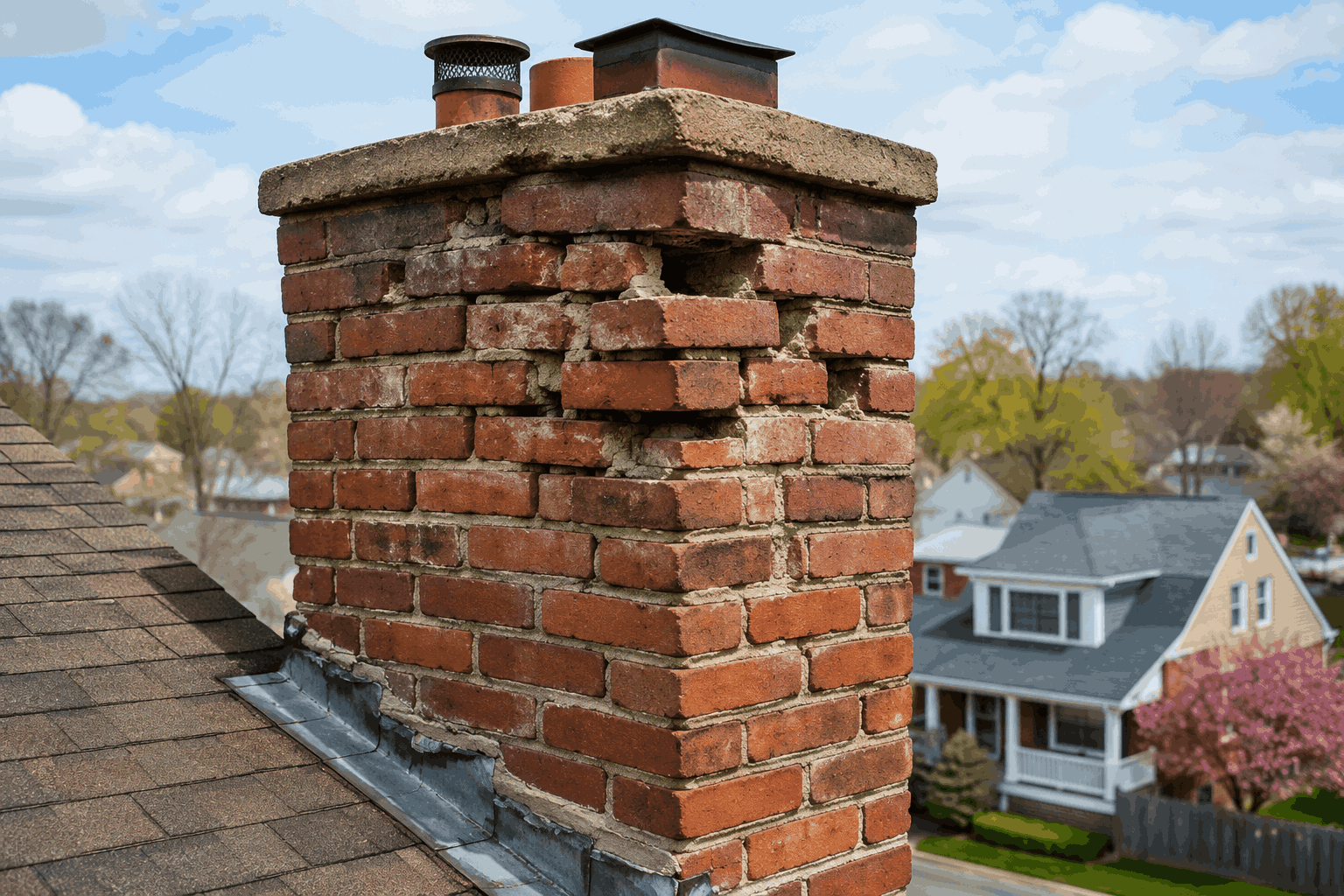
Loose or shifted bricks are clear signs that chimney masonry is losing strength. As mortar weakens and moisture spreads, bricks can move out of place, bulge, or detach from the chimney structure.
This creates both safety and property damage risks, especially on rooftops, sidewalks, driveways, and nearby building areas. If the damage is close to a fireplace opening, homeowners may also need guidance on repairing cracks in the fireplace brickwork to prevent heat, smoke, or moisture-related issues inside the home.
Common Signs of Loose Chimney Bricks
- Bricks are shifting out of place
- Bulging masonry walls
- Bricks falling onto the roof
- Visible gaps in the chimney
- Unstable brick sections
Main Causes of Loose Chimney Brickwork
- Deteriorated mortar joints
- Water infiltration
- Freeze-thaw damage
- Structural movement
- Aging chimney materials
Safety Risks of Loose Chimney Bricks
| Loose Chimney Brickwork Problem | Chimney Safety Concern |
|---|---|
| Dislodged bricks | Falling debris risk |
| Weak brickwork | Reduced load-bearing strength |
| Open gaps | Water seepage |
| Continued brick movement | Higher repair cost |
| Unstable chimney masonry | Structural failure risk |
When Should NYC Homeowners Call a Chimney Masonry Contractor?
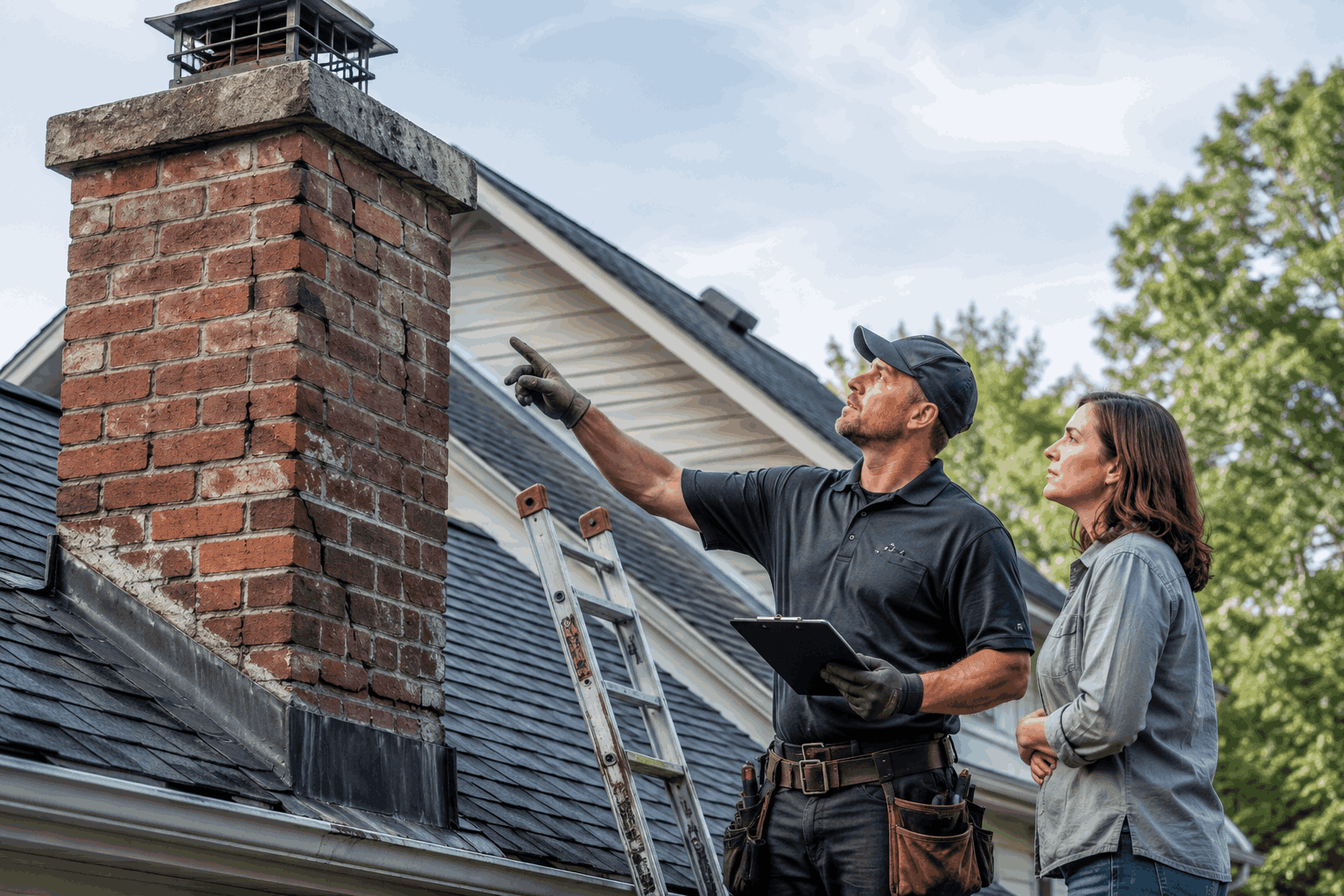
You should call a chimney masonry contractor when you notice cracks, leaning, loose bricks, white staining, water leaks, or mortar loss. These signs usually mean the chimney needs a closer inspection before the damage spreads.
For NYC residential and commercial properties, early repair is especially important because building age, rooftop exposure, winter weather, and moisture can all make chimney damage worse. A professional contractor can confirm whether the chimney needs repointing, brick replacement, waterproofing, or structural repair. If you are unsure who should handle the work, learning what a skilled brick mason does can help you understand why chimney masonry repairs require experience, proper materials, and safe repair methods.
For local property owners, repair needs can vary by building type and location. Brownstones and multifamily properties may need chimney brick repair in Brooklyn, while older brick homes and commercial properties may require chimney brick repair in Queens to address moisture damage, cracked mortar, or loose chimney brickwork before the structure becomes unsafe.
Final Thoughts on Chimney Brick Repair in NYC
Chimney brickwork problems often start small, but they can quickly affect safety, structure, and long-term property value. Cracked mortar, spalling bricks, leaning masonry, white stains, and loose bricks should never be ignored, especially in NYC, where seasonal weather can speed up deterioration.
Sardar Restoration Corp supports residential and commercial property owners across NYC, including the Bronx, Manhattan, Brooklyn, Westchester, and Queens. If you are dealing with cracked bricks, loose mortar, leaning masonry, or moisture damage, working with a professional contractor for chimney brick repair in NYC can help restore safety, improve durability, and prevent larger repair costs.
For expert inspections and repair solutions, call (+1) 917-355-8556, email sardarrestoration@gmail.com, or visit 2770 Fish Ave, Bronx, NY 10469, United States.
FAQs About Failing Chimney Brickwork
How do I know if my chimney brickwork in NYC needs repair?
Your chimney may need repair if you notice cracked mortar, loose bricks, white stains, leaning, water leaks, or broken brick faces.
Is chimney brick damage dangerous for NYC homeowners?
Yes. Damaged chimney brickwork can lead to falling masonry, water intrusion, structural weakness, and unsafe conditions if ignored.
How often should chimney masonry be inspected in NYC?
A chimney should be professionally inspected at least once a year, especially before winter or after visible storm-related damage.
Should a leaning chimney be repaired immediately?
Yes. A leaning chimney can become a structural hazard and should be inspected quickly by a qualified masonry contractor.
What is the best repair for damaged chimney brickwork?
The right repair depends on the damage. Common solutions include repointing, brick replacement, waterproofing, flashing repair, and structural rebuilding.
Can damaged chimney brickwork cause leaks inside the home?
Yes. Cracked mortar, spalling bricks, and failed flashing can allow water to enter walls, ceilings, fireplaces, and attic areas.
Can chimney brickwork be repaired, or does it need rebuilding?
Minor damage can often be repaired with repointing or brick replacement. Severe leaning, deep cracks, or unstable masonry may require partial or full rebuilding.