
 ChatGPT
 Perplexity
 Google AI
 Claude
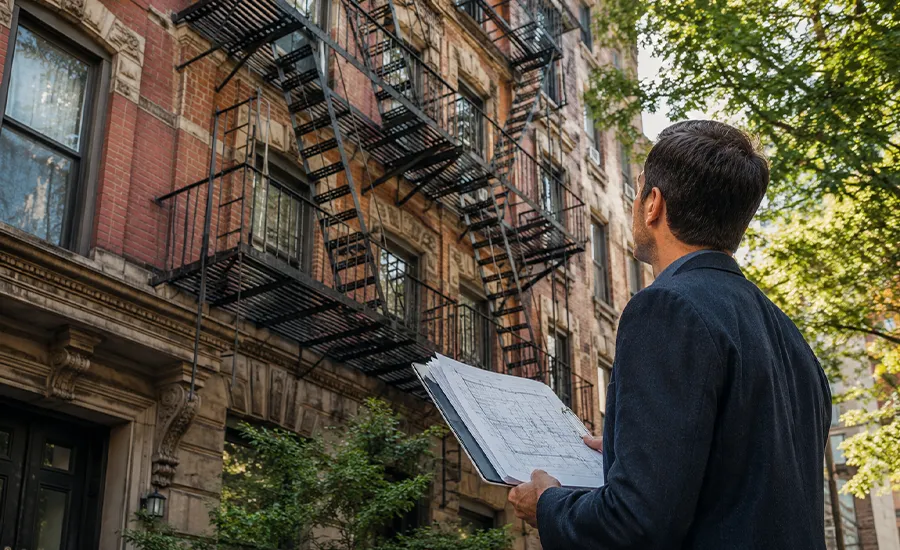
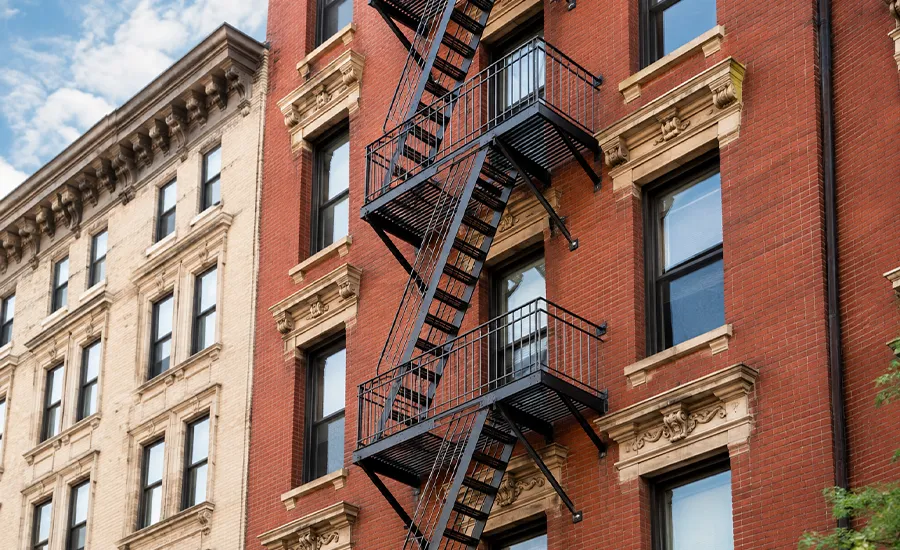
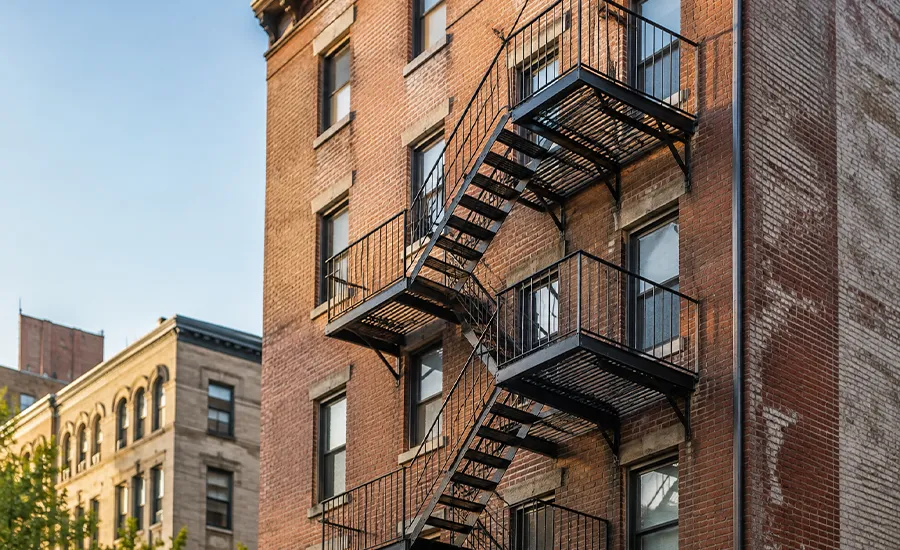
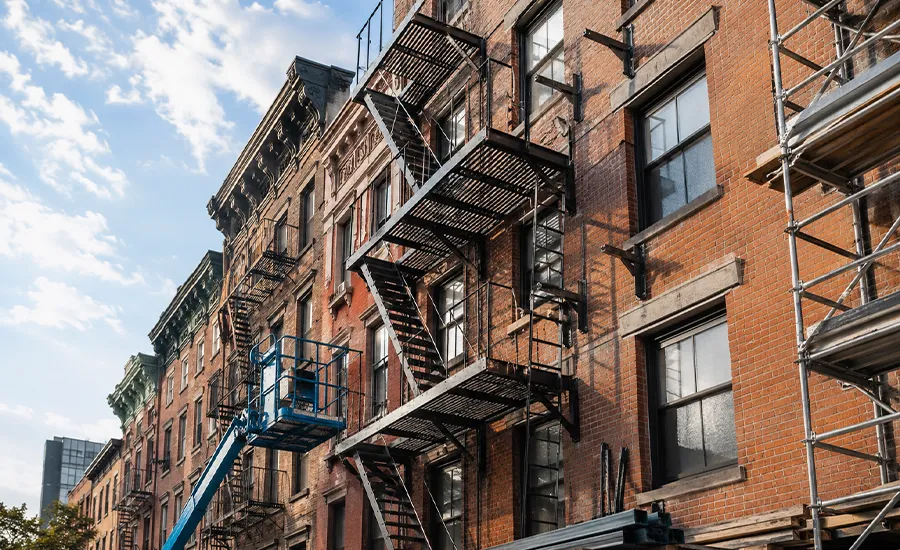
Fire escapes remain an important part of New York City building safety, especially in older residential, commercial, mixed-use, and historic properties. While many modern buildings use enclosed stairwells, fire-rated exit systems, and advanced life-safety designs, thousands of NYC buildings still rely on exterior fire escapes as a secondary emergency exit route.
For property owners, fire escape compliance is not only about avoiding violations. It is about keeping occupants safe, maintaining clear egress, protecting the building exterior, and ensuring that the fire escape remains usable during an emergency. If a fire escape is blocked, rusted, unstable, poorly attached, or altered without proper review, it can become a safety risk instead of a reliable exit system.
This complete guide explains NYC fire escape laws, building code responsibilities, fire code compliance, inspection expectations, maintenance standards, violation risks, and best practices for property owners.
- Ο Fire escapes must remain safe, accessible, operational, and ready for emergency use.
- Ο Property owners are responsible for keeping existing fire escapes in safe condition.
- Ο Blocked, rusted, loose, or damaged fire escapes can create compliance issues.
- Ο Local Law 11/FISP may involve fire escapes attached to covered exterior façades.
- Ο Repairs, alterations, and replacements may require professional review or approval.
- Ο Early maintenance helps reduce violations, emergency repairs, and safety risks.
Why NYC Fire Escape Laws and Regulations Matter
Fire escape regulations exist to protect building occupants when interior stairways, corridors, or primary exits become unsafe during an emergency. In a dense city like New York, where many older buildings have limited exterior space and high occupancy, fire escapes can serve as an important secondary route when smoke, fire, debris, or structural damage affects normal exit paths.
Property owners who need a broader overview of fire escape types, installation, inspections, maintenance, and safety planning can use this NYC fire escape safety guide before reviewing code-specific responsibilities in more detail.
NYC fire escape regulations generally aim to:
- Preserve occupant safety during emergencies
- Maintain functional emergency egress
- Reduce structural failure risks
- Keep access routes clear and usable
- Support firefighters and rescue access
- Protect exterior building components
- Encourage consistent safety standards
Without proper regulations and maintenance, deteriorated or obstructed fire escapes can become dangerous during the moments occupants need them most.
How NYC Fire Escape Rules Developed for Older Buildings
Fire escape regulations in New York City developed after major building fires in the late 19th and early 20th centuries. Rapid urban growth, crowded tenement buildings, and limited exit options created serious life-safety concerns. As a result, exterior fire escapes became common on many older residential and mixed-use buildings.
Over time, building codes and fire safety systems changed. Newer buildings often use enclosed stair towers, fire-rated exits, sprinkler systems, and modern egress designs instead of traditional exterior fire escapes. Many older properties still have existing systems that must remain safe, accessible, and code-compliant.
This is why owners often need to confirm whether fire escapes are still required on NYC buildings before planning removal, enclosure, replacement, or major alterations.
Does Your NYC Building Need a Fire Escape?
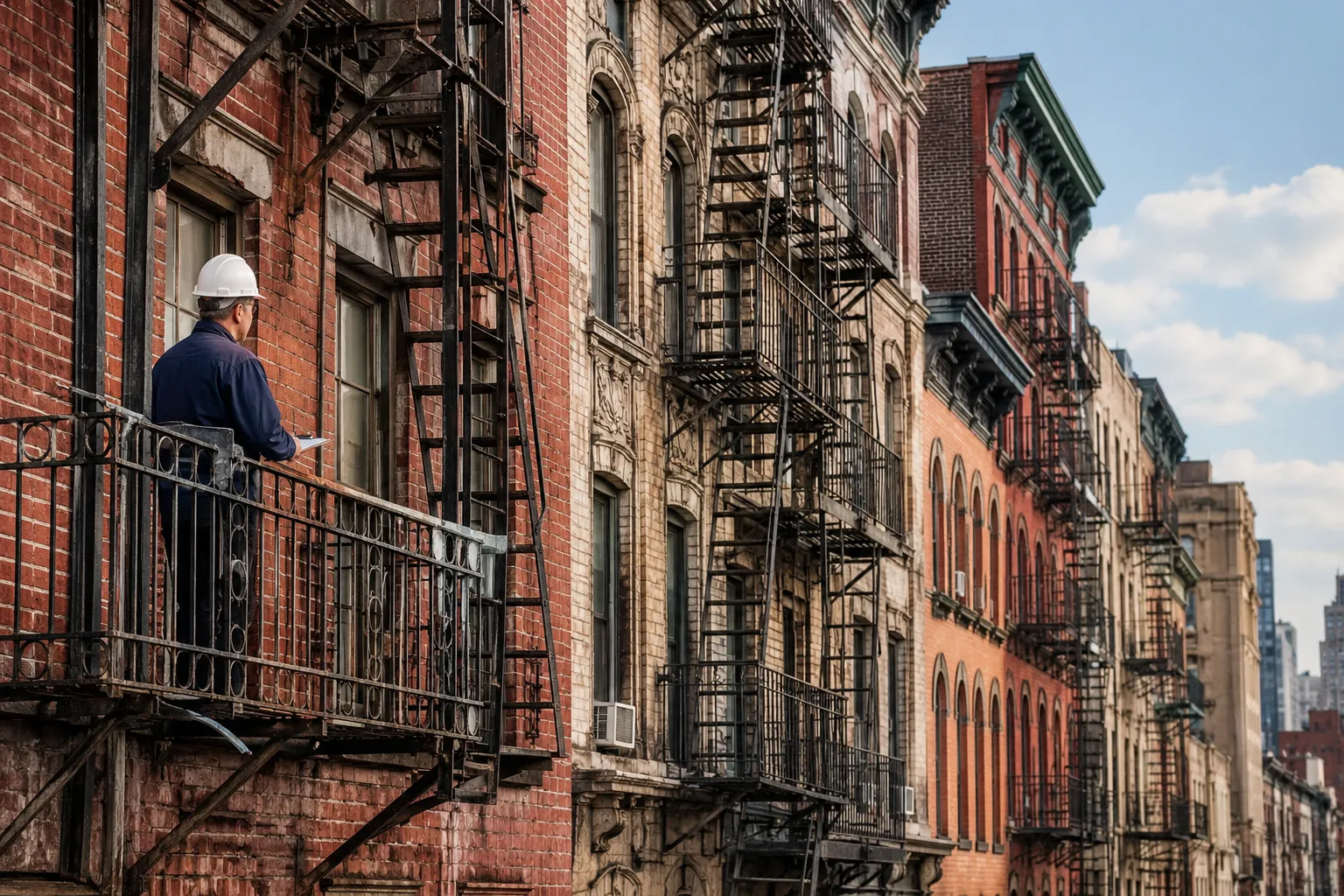
Not every building in New York City requires an exterior fire escape. Requirements depend on the building’s age, use, construction type, height, occupancy, available exits, and the code under which the property was built.
Fire escapes are commonly found on:
- Older apartment buildings
- Pre-war residential properties
- Historic buildings
- Mixed-use properties
- Certain commercial buildings
- Tenement-style housing
Newer buildings usually rely on enclosed stairwells, protected exits, and modern fire-rated egress systems. Still, an existing approved fire escape may need to remain in place if it is part of the building’s required exit system.
Before installing, removing, enclosing, or changing a fire escape, owners should confirm NYC fire escape requirements for buildings so the property remains aligned with its approved safety obligations.
When a building needs a new exterior escape system, fire escape installation in NYC should account for structure, safe access, code requirements, discharge location, and long-term maintenance.
NYC Building Code Requirements for Fire Escapes
NYC building code requirements focus on keeping fire escapes structurally stable, accessible, and usable during emergencies. A fire escape must not be treated as a decorative feature, storage area, or optional exterior feature. It is part of the building’s life-safety system.
Property owners should review NYC fire escape code basics before changing access points, window gates, exterior stairs, ladders, platforms, or discharge areas.
1. Structural Soundness for Fire Escape Safety
Fire escapes must be capable of supporting required loads without excessive movement, instability, or structural failure. Structural components must remain:
- Stable
- Securely anchored
- Properly connected
- Free from significant deterioration
If stairs, platforms, railings, or anchors become weak, timely fire escape repair in NYC can help correct visible issues before the system becomes unsafe.
Any compromised member may require repair, reinforcement, or replacement depending on the level of deterioration.
2. Secure Evacuation Routes and Clear Fire Escape Access
Fire escapes must provide a clear and accessible evacuation route. Occupants should be able to:
- Access the fire escape easily
- Move down safely and easily
- Reach ground level or a safe discharge location
Blocked pathways can create violations and increase risk during emergencies. Property owners should know common fire escape non-compliance issues in NYC, especially when storage, locked access, or damaged components interfere with safe use.
A fire escape should also not be treated as outdoor seating or extra balcony space, because using a fire escape as a sitting area in NYC can interfere with safe access and create avoidable liability concerns.
3. Availability of Fire Escape Stairs, Ladders, and Railings
All ladders, platforms, railings, stairs, and landings must remain functional and accessible. Components should not:
- Be obstructed
- Be permanently locked
- Contain dangerous defects
- Have missing elements
If a component is damaged or missing, repair or replacement may be needed depending on the condition and building requirements.
NYC Fire Code Compliance for Fire Escapes
The NYC Fire Code focuses on emergency preparedness, clear exits, and safe means of egress. For fire escapes, this means the system and access points should remain ready for immediate use during a fire or another emergency.
Fire code compliance often includes:
- Keeping exit routes clear
- Removing obstructions
- Preventing storage on fire escapes
- Maintaining emergency access
- Keeping access openings usable
- Supporting evacuation planning
A fire escape that cannot be safely used during an emergency may create a compliance issue even if the structure is still physically attached to the building. This is why code compliance should be reviewed together with structural condition, access, and ongoing maintenance.
Fire Escape Inspection Requirements in NYC
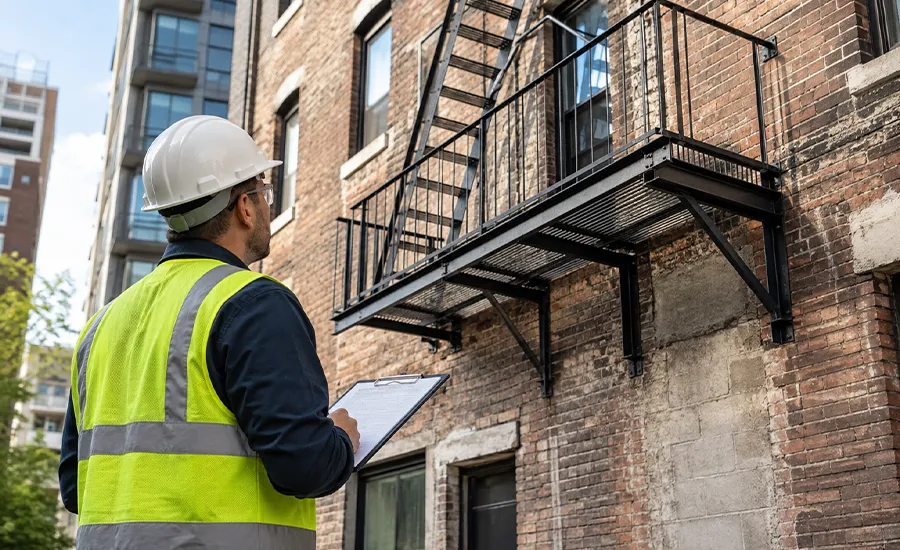
Regular inspections are one of the most important parts of fire escape compliance. Property owners should routinely inspect:
- Platforms
- Stair assemblies
- Drop ladders
- Railings
- Anchorage systems
- Connections
- Protective coatings
- Structural supports
A professional fire escape inspection in NYC may also review wall attachment points, rust conditions, visible movement, access openings, and façade-connected areas when the system is attached to the building exterior.
Inspections help identify:
- Corrosion
- Loose fasteners
- Structural movement
- Cracks
- Missing components
- Unsafe conditions
Early detection allows owners to address problems before they become costly, dangerous, or more difficult to correct.
Winter weather can make inspection timing more important, especially for landlords managing older residential buildings, because winter fire escape inspections for NYC landlords can reveal rust, ice-related access issues, and loose components before conditions worsen.
Local Law 11/FISP and Fire Escape Compliance in NYC
Local Law 11, now handled through the Façade Inspection and Safety Program, applies to NYC buildings higher than six stories. Because fire escapes are often attached to exterior walls, their condition may be reviewed when they affect façade safety, structural stability, or falling object risk.
During façade-related reviews, fire escape concerns may include:
- Corroded attachment points
- Loose anchors
- Deteriorated brackets
- Rusted connections
- Damaged platforms
- Falling paint or metal hazards
- Unsafe conditions where metal meets masonry
Fire escapes can become a focus of exterior building inspections because deterioration often develops at wall connections, masonry interfaces, and exposed metal joints. When defects are identified, corrective action may be needed to protect public safety and maintain compliance.
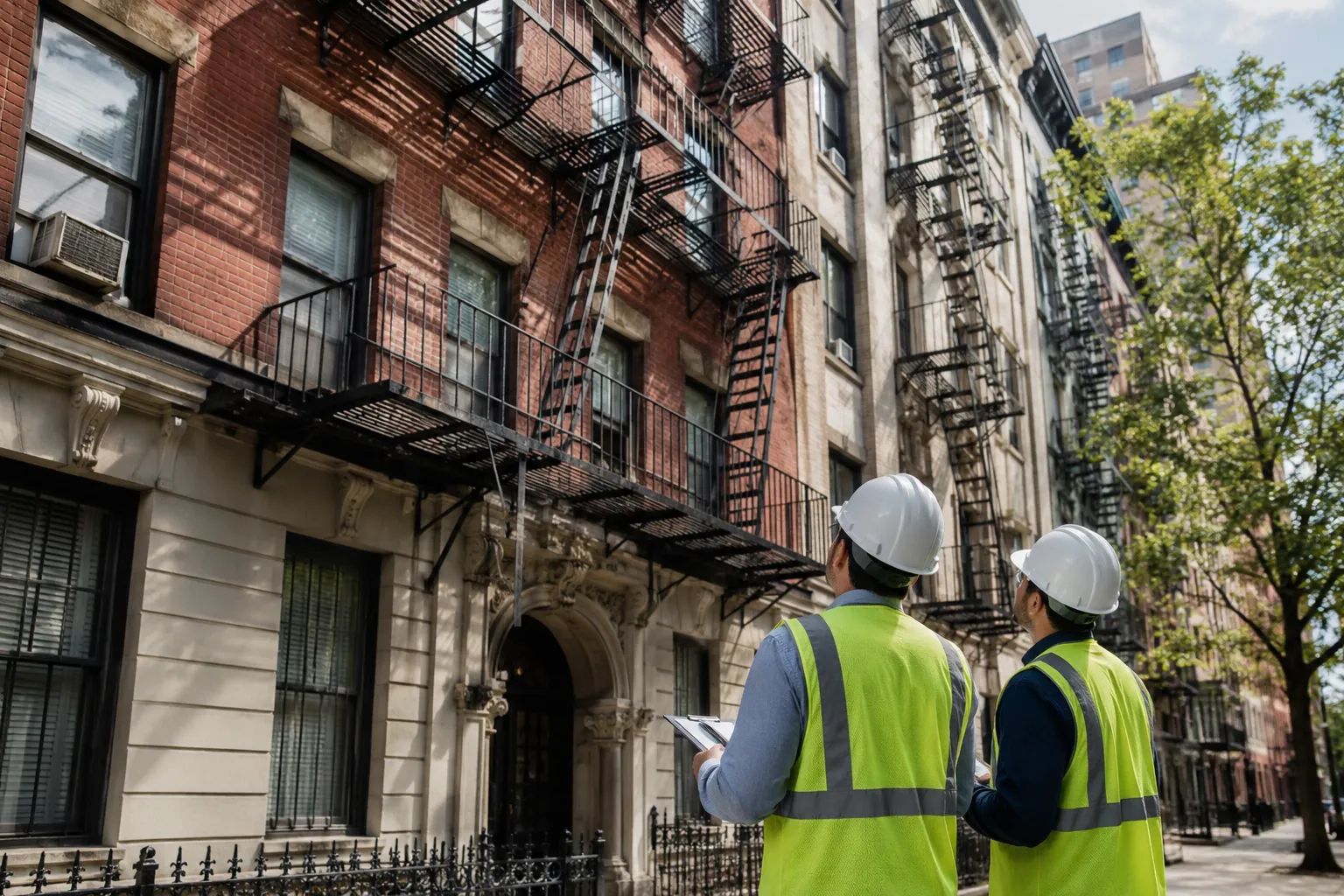
Owners preparing for façade-related work should avoid treating this as only a paperwork issue. A deteriorated fire escape can affect both occupant safety and exterior wall safety.
Fire Escape Maintenance Standards for NYC Property Owners
Building owners are responsible for maintaining fire escapes in a safe condition at all times. Maintenance responsibilities generally include surface protection, obstruction removal, repair planning, and documentation of corrective work.
NYC landlords and property managers should know whether landlords have to maintain fire escapes in NYC, because maintenance duties often become more urgent when rust, blocked access, or unsafe conditions are visible.
1. Surface Degradation Control for Metal Fire Escapes
Metal fire escapes are constantly exposed to:
- Rain
- Snow
- Humidity
- Thermal changes
- Air pollution
These environmental factors can accelerate corrosion. Routine surface preparation and fire escape painting in NYC help protect metal components from moisture, coating failure, and corrosion.
2. Surface Maintenance and Obstruction Removal
Fire escapes should remain free of:
- Accumulated debris
- Discarded materials
- Nesting materials
- Uncontrolled growth
- Winter ice formation
Obstructions can hinder evacuation and accelerate deterioration. Clear access is one of the simplest ways to reduce compliance risk.
3. Structural Repairs for Damaged Fire Escape Components
Damaged components should be repaired promptly. Common repairs include:
- Renewing corroded steel
- Restoring railings
- Installing support systems
- Reconstructing stairs
- Correcting anchorage issues
When joints, brackets, or metal connections are cracked or weakened, fire escape welding in NYC may be needed to restore safer structural performance.
Delaying repairs often increases costs, restoration needs, and safety risks.
Common Fire Escape Violations in NYC
Fire escape violations often happen when the system is not safe, accessible, or properly maintained. Some issues are visible during routine property checks, while others are identified during inspections.
1. Severe Rust and Oxidation on Fire Escapes
Heavy rust can weaken structural components and reduce load-bearing capacity.
2. Loose or Unsecured Fire Escape Fasteners
Anchors, brackets, and connections must remain secure. Loose attachment points can affect the stability of the entire system.
3. Missing Fire Escape Stairs, Railings, or Ladders
Missing stairs, railings, bolts, ladders, treads, or platforms can create unsafe conditions.
4. Blocked Fire Escape Exit Routes
Stored items, locked openings, trash, equipment, or unauthorized modifications may block evacuation pathways.
5. Unsafe Fire Escape Structural Conditions
Cracked supports, bent members, failing welds, or deteriorated connections may require prompt correction.
6. Deferred Fire Escape Maintenance
Failure to maintain coatings, repair rust, or correct structural defects can lead to compliance problems.
A visible issue does not always start as a formal violation, but it can become one when it affects safe use, structure, or emergency access. Property owners should understand the difference between fire escape safety issues and code violations before deciding how urgently to act.
Structural Integrity Standards for NYC Fire Escapes
Fire escapes must support occupants during emergencies. Structural evaluations typically consider:
- Fixed structural loads
- Temporary loads
- Occupancy loads
- Dynamic movement during evacuation
- Weather-related stresses
A qualified professional may assess the system when significant rust, movement, cracking, or deterioration is present. The goal is to determine whether the fire escape remains safe for emergency use or requires repair, reinforcement, restoration, or replacement.
The detailed technical side of load capacity belongs in inspection and safety content, but this sub-pillar should make one point clear: structure matters because a fire escape must perform under real emergency conditions, not only appear acceptable from the street.
Historic Building Fire Escape Compliance in NYC
Many NYC fire escapes are attached to historic or older buildings. Owners of landmarked or historically significant properties may face additional considerations when repairing, restoring, or replacing exterior fire escape systems.
Historic projects may involve:
- Preservation-sensitive review
- Matching existing architectural details
- Careful material selection
- Repair methods that respect building character
- Additional approvals for visible exterior changes
In many cases, fire escape restoration in NYC may be more appropriate than full replacement, especially when the existing system can be repaired while preserving the building’s exterior character.
When the fire escape needs surface renewal, component correction, or appearance-sensitive work, fire escape refurbishment in NYC can help improve the system without unnecessarily changing the building’s exterior identity.
Owners should avoid making unauthorized changes to historic fire escapes because exterior modifications can create compliance, preservation, and safety issues.
Seasonal Fire Escape Compliance Risks in NYC
Weather plays a significant role in fire escape deterioration. Proactive maintenance is usually more cost-effective than emergency repairs following major deterioration.
The following environmental conditions can affect the strength, accessibility, and compliance readiness of a fire escape system.
1. Winter Fire Escape Hazards and Compliance Risks
Winter presents several challenges:
- Snow buildup
- Ice development
- Repeated freeze-thaw cycles
- Moisture penetration
These conditions can accelerate corrosion and create slip hazards. Property owners should remove snow and ice promptly while ensuring safe access.
Delaying seasonal work can increase repair costs, which is why property owners should understand how ignoring fire escape maintenance during NYC winters can turn minor rust, blocked access, or coating failure into larger compliance concerns.
2. Spring and Summer Fire Escape Inspection Concerns
Warmer seasons often reveal damage caused by winter weather. Inspections during spring and summer can identify:
- Rust development
- Loose fasteners
- Coating failures
- Water-related deterioration
Spring and summer are practical seasons for repairs, coating work, and access improvements before deterioration becomes more serious.
3. Fall Fire Escape Preparation Before Winter
Autumn is an ideal time for preventive maintenance before winter conditions arrive. Cleaning, coating checks, rust control, and minor repairs can help reduce winter-related safety issues.
Who Can Legally Work on a Fire Escape in NYC?
Fire escape work may require qualified contractors, registered design professionals, permits, or approvals depending on the scope. Minor maintenance is different from structural repair, alteration, replacement, or installation.
Depending on the project, work may involve:
- Licensed contractors
- Registered architects
- Professional engineers
- DOB-related approvals
- Landmark or preservation review
- Fire safety review
Property owners should be careful before changing, removing, enclosing, or modifying a fire escape. Whether an owner can remove or alter a fire escape in NYC depends on the building, code history, approved egress, and project scope.
Unauthorized work can create safety risks, inspection problems, and additional compliance issues.
Proactive Fire Escape Compliance Strategies for Property Owners
Maintaining fire escape compliance is the best way to keep a building protected from violations and ready for emergency use. Staying informed about local safety standards, documenting inspections and repairs, and addressing defects early can protect occupants and support long-term structural performance.
Property owners can improve compliance by following several best practices.
1. Plan Routine Fire Escape Inspections
Routine inspections help identify rust, movement, loose fasteners, blocked access, damaged railings, and weak connections before they become major safety concerns.
2. Treat Fire Escape Corrosion Early
Small corrosion issues can become major structural concerns if ignored. Coating failure, moisture exposure, and salt can accelerate deterioration.
3. Maintain Clear Fire Escape Exit Pathways
Avoid storing the following items on the fire escape:
- Bicycles
- Furniture
- Construction materials
- Personal belongings
Clear pathways help protect emergency access and reduce compliance risk.
Consistent cleaning, snow removal, coating checks, and obstruction control are part of keeping fire escapes safe during NYC winters, especially for buildings exposed to heavy moisture, ice, and de-icing salt.
4. Maintain Weatherproof Fire Escape Coatings and Sealants
Regular coating maintenance helps prevent deterioration and extend the service life of exterior metal systems.
5. Record Fire Escape Inspections, Repairs, and Remediation’s
Maintain records of:
- Inspections
- Repairs
- Engineering evaluations
- Contractor work
Documentation can support compliance efforts and future assessments.
6. Work With Experienced Fire Escape Professionals
Experienced contractors and design professionals understand NYC fire escape compliance requirements and can help property owners avoid costly mistakes.
A planned fire escape maintenance in NYC schedule can help owners stay ahead of corrosion, blocked access, coating failure, and structural deterioration.
What Happens When Fire Escapes Fail NYC Compliance?
Non-compliance with fire escape laws and codes can lead to safety risks, violations, fines, emergency repair costs, and increased liability. A blocked, rusted, unstable, or poorly maintained fire escape may create problems during inspections and during actual emergencies.
Potential outcomes include:
- Building violations
- Financial penalties
- Required corrective work
- Emergency repairs
- Delayed approvals
- Increased liability
- Occupant safety risks
- Higher long-term repair costs
When a fire escape is cited or found unsafe, owners need to respond before the issue grows into a larger compliance problem. The process after a fire escape violation of NYC building codes can involve corrective work, documentation, and professional review.
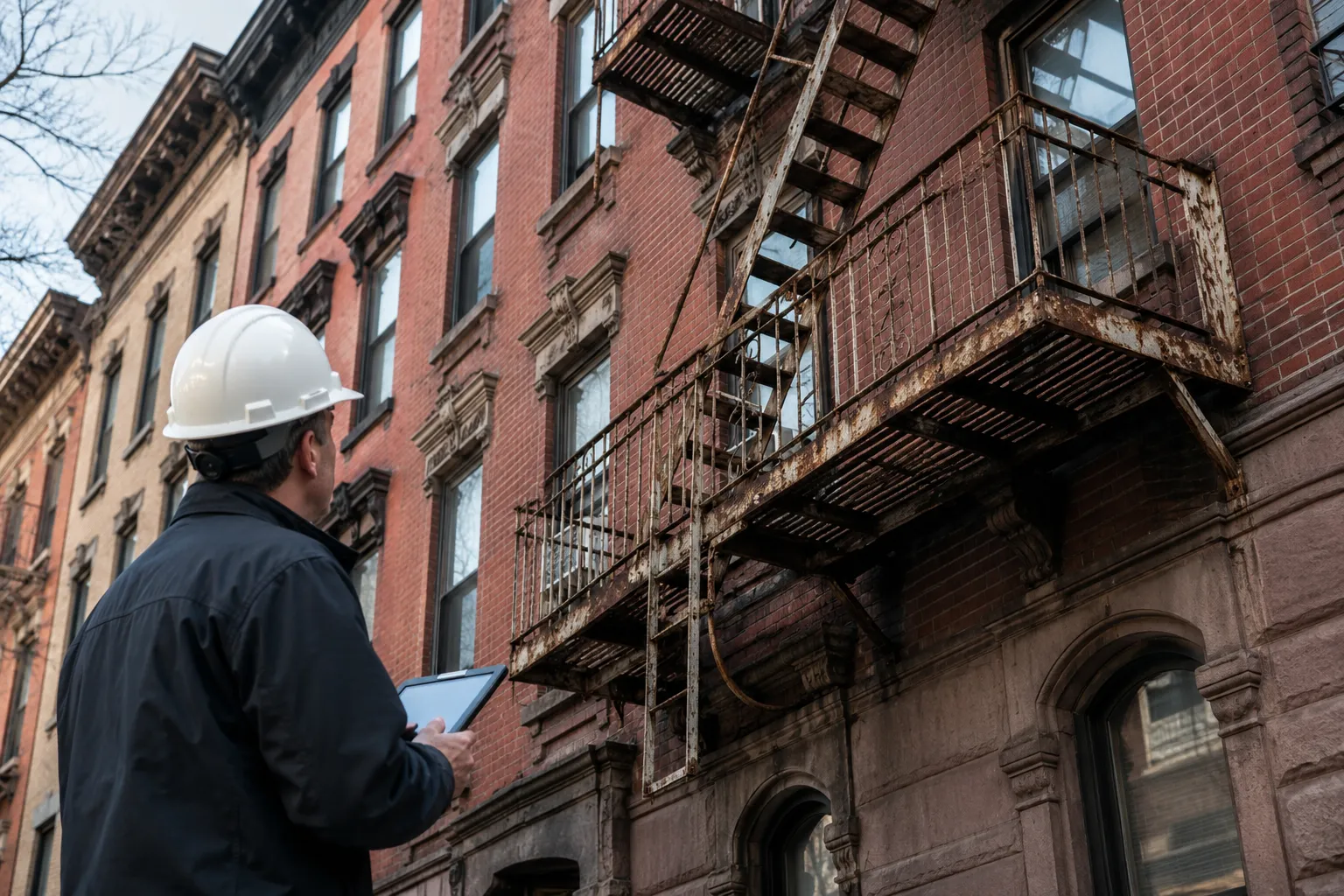
Responsibility can vary depending on ownership, management, lease terms, and the type of violation. Property owners and managers should understand who may be responsible for correcting fire escape violations before delaying required action.
The Future of Fire Escape Safety and Compliance in NYC
As buildings age and regulatory safety standards continue to develop, fire escape maintenance remains an important responsibility throughout New York City.
Advancements in:
- Building analysis tools
- Rust prevention measures
- Load-bearing evaluations
- Repair strategies
These improvements help property owners stay aligned with regulations while extending the lifespan of existing fire escape systems. Routine inspections, proactive maintenance, and compliance with applicable regulations remain the most reliable ways to sustain fire escape safety.
Final Thoughts on NYC Fire Escape Laws and Compliance
NYC fire escape laws, codes, and compliance standards exist to protect occupants and preserve emergency access. Property owners must keep fire escapes structurally sound, clear, protected from deterioration, and ready for use when interior routes become unsafe.
Sardar Restoration Corp supports residential, commercial, mixed-use, and historic properties across NYC, including the Bronx, Manhattan, Brooklyn, Queens, Westchester, and nearby areas. For code-related concerns, unsafe conditions, blocked access, rust damage, or required corrective work, a trusted fire escape contractor in NYC can help property owners address compliance issues before they become larger safety risks.
Contact Sardar Restoration Corp today at (+1) 917-355-8556 or sardarrestoration@gmail.com, or visit us at 2770 Fish Ave, Bronx, NY 10469, United States.
FAQs
Are fire escapes still required in NYC buildings?
Some older NYC buildings still rely on approved existing fire escapes, while newer buildings often use enclosed stairs and modern fire-rated exit systems. Requirements depend on the building’s age, use, design, and approved egress.
How often should fire escapes be inspected?
Property owners should check fire escapes regularly and schedule professional inspections when rust, loose connections, blocked access, damaged components, or structural movement appear.
What is the most common fire escape compliance problem?
Rust and corrosion are among the most common problems because fire escapes are exposed to rain, snow, humidity, pollution, and winter salt throughout the year.
Are permits required for fire escape repairs?
Some repairs, alterations, replacements, or installations may require permits, engineering review, or professional oversight depending on the scope of work and building conditions.
How are fire escapes connected to façade inspections?
Fire escapes are often attached to exterior walls, so their condition may be reviewed during façade inspections when they affect exterior safety, structural stability, or falling object risk.
Can a blocked fire escape create a violation?
Yes. Fire escapes and access points should remain clear and ready for emergency use. Storage, locked access, debris, snow, ice, or unauthorized obstructions can create safety and compliance concerns.
Who is responsible for maintaining a fire escape in NYC?
Responsibility usually falls on the property owner or responsible managing party, but the exact obligation can depend on the building, lease structure, violation type, and scope of required work.